NATO: Strengthening Europe's Military Capabilities Will Allow It to Take on Greater Responsibility in the World
Agencies4 min read
Share
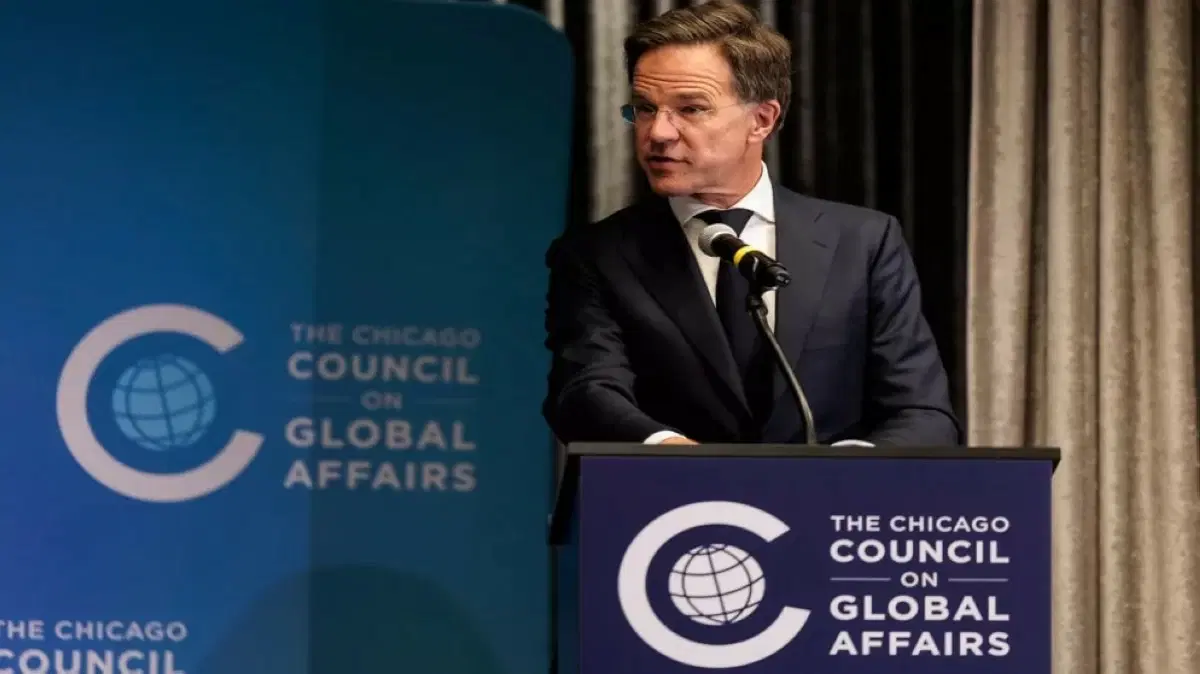
NATO Secretary General Mark Rutte said that strengthening European military capabilities will allow European countries to take on greater responsibility for the security of their surroundings, including the Middle East, as NATO countries work to increase defense spending and expand their military and industrial capabilities.
Rutte's remarks came during a dialogue titled 'A Conversation on the Future of NATO,' hosted by the Chicago Council on Global Affairs in Des Moines, Iowa, on Wednesday, with the participation of the United States Permanent Representative to NATO, Matthew Whitaker.
Rutte said that strengthening European defense capabilities is not only related to defending the continent, but will also allow Europeans to take on greater responsibilities in the regions near them in the future.
Speaking about the importance of NATO for the United States, Rutte added that European bases give Washington the ability to project power outside the European continent, including the Middle East.
He pointed out that the United States has benefited from its presence and bases in Europe in carrying out military operations in the region, saying that thousands of sorties have taken off from European bases in support of U.S. operations.
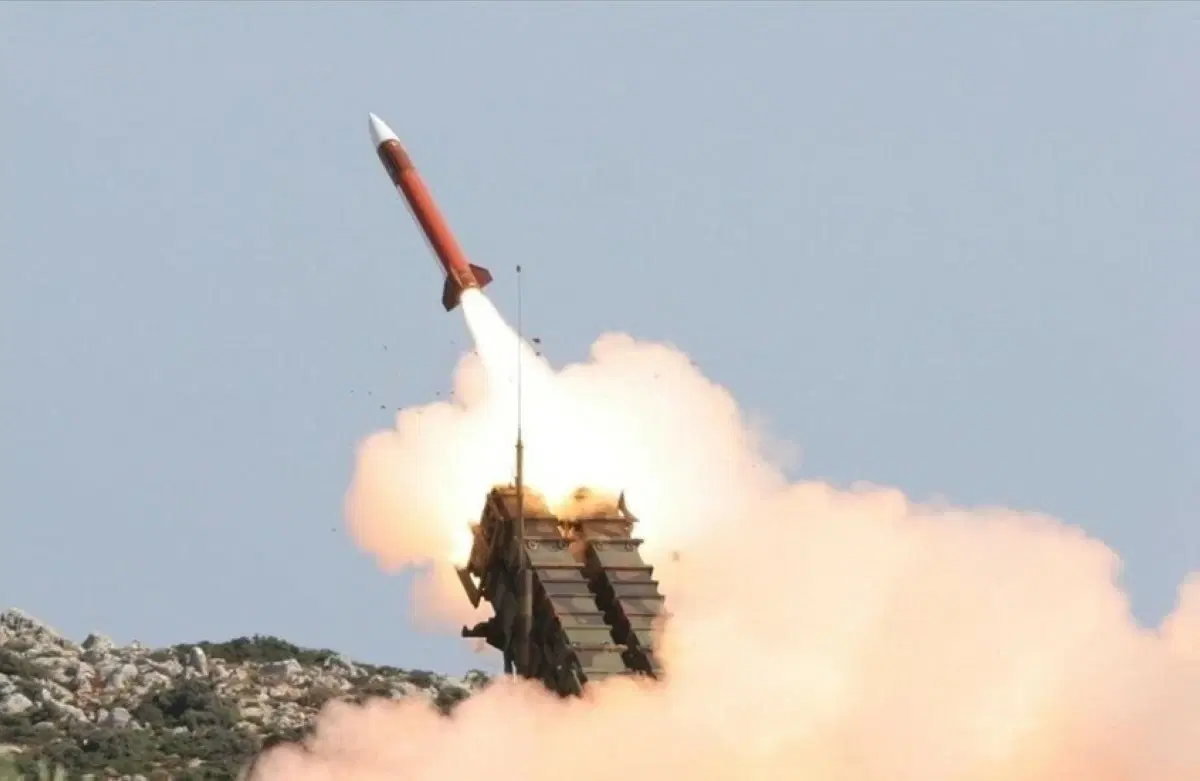
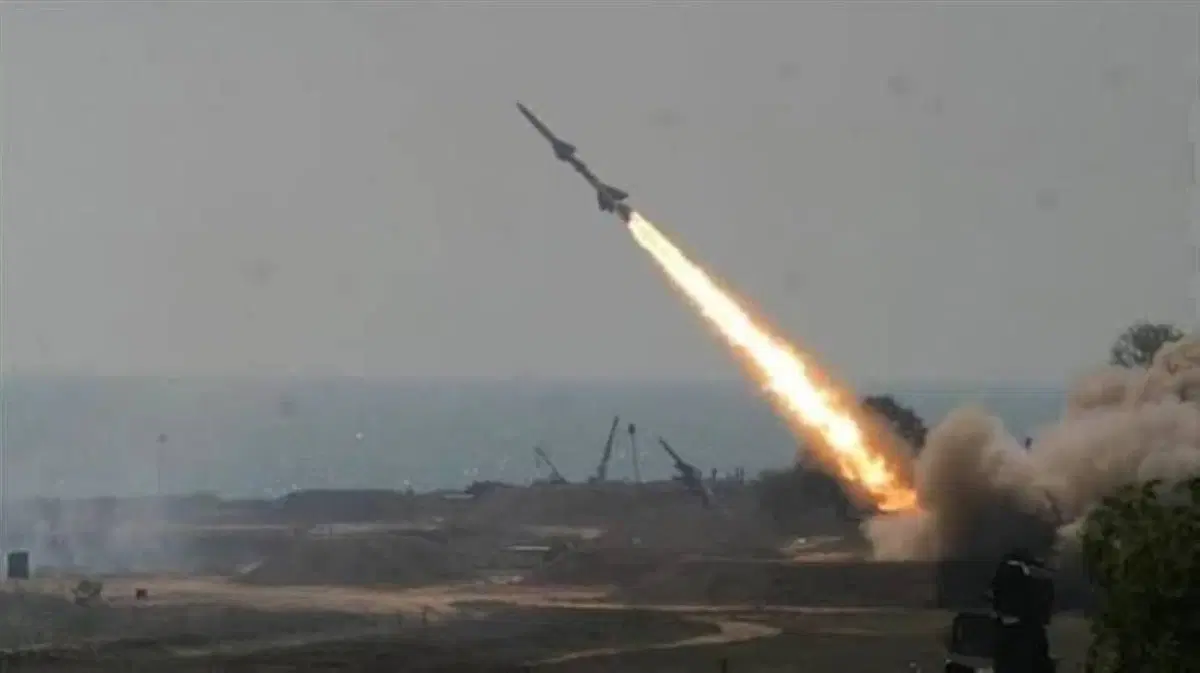
Rutte touched on Iran and the Houthis in the Red Sea in the context of European military capabilities, saying that the United States has taken on roles in security files that are geographically close to Europe.
He said: 'Why is everyone looking at the United States again when it comes to the Houthis in the Red Sea? Because the Europeans somehow did not have enough capabilities to do it themselves.'
Rutte added that the Middle East represents 'Europe's backyard,' not the United States, considering that strengthening the capabilities of European NATO countries will allow them to deal more with the challenges in their surroundings in the future.
Rutte linked this shift to the significant increase in defense spending within the alliance, explaining that NATO leaders agreed at the Hague summit on a new goal of investing 5% of GDP annually in defense and security fields, to be achieved within ten years.
He explained that this level includes about 3.5% for basic defense spending, in addition to 1.5% for defense-related fields, including societal resilience, infrastructure, and the industrial base.
He said that U.S. allies in Europe and Canada have already invested more than $250 billion additional in defense, adding that the trend towards increased spending is ongoing.
He stressed that increased financial allocations alone are not enough, as alliance countries, in addition to budgets, need trained and ready forces, tanks, ships, weapons, ammunition, drones, and other technologies.
He pointed out that the alliance is working with the defense industry to increase production, given that the current supply is unable to meet demand on both sides of the Atlantic, in addition to working to reduce bureaucratic procedures related to defense purchases.
Rutte said that Europe and the United States need to work together in light of the interconnectedness of security challenges in several regions, explaining that the security of Europe, the Atlantic, and the Arctic is directly linked to the security of the United States.
He added that strengthening European capabilities also comes in the context of the need for the alliance to be prepared to deal with simultaneous challenges in the Indo-Pacific and Euro-Atlantic regions.
Rutte spoke about the cooperation of Russia, China, Iran, and North Korea, saying that these countries are working together intensively and exchanging knowledge and innovation, in the context of presenting the threats that the alliance sees the need to prepare for.
He stressed that increasing European capabilities will contribute to a greater distribution of responsibilities within NATO, so that Europe can take on a wider role in defending its surroundings, while the alliance retains its ability to deal with multiple challenges at the same time.