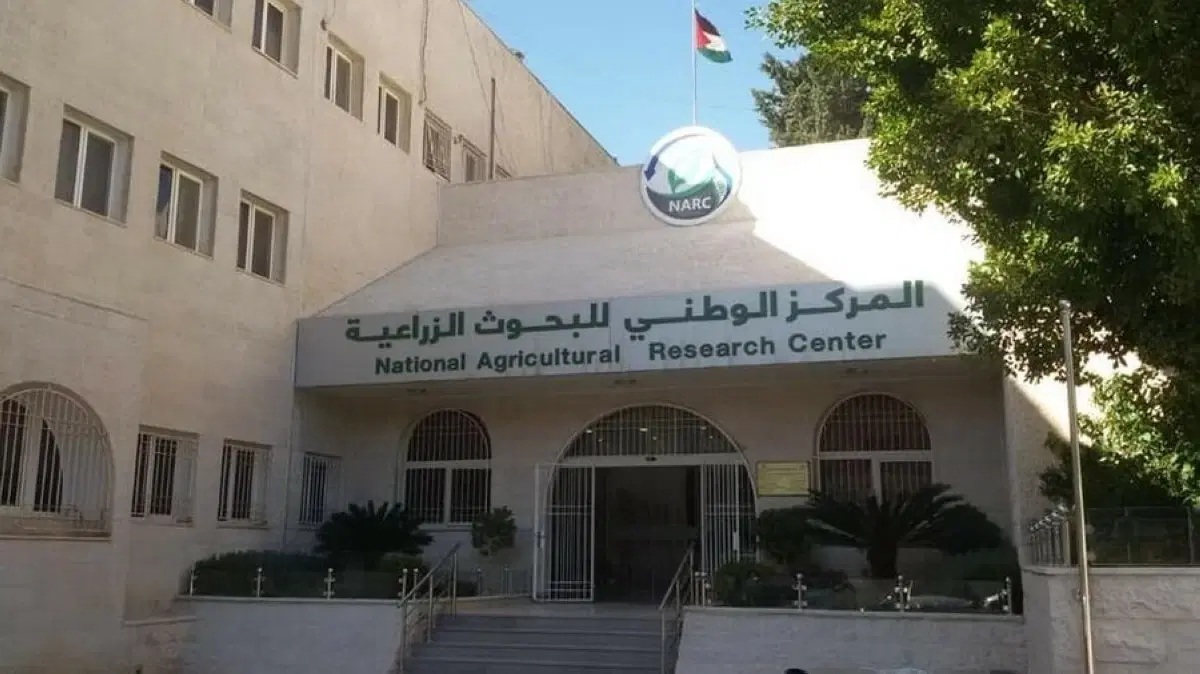
The workshop discussed the challenges and opportunities associated with agricultural waste management and reuse, and the role of stakeholders in developing practical, applicable solutions.
The findings of a feasibility study prepared by the center regarding the utilization of olive pomace and olive mill wastewater were reviewed, and the technical and economic pathways for their reuse within the concept of a circular economy were examined.
The workshop also addressed the role of scientific research and innovation in increasing resource efficiency, reducing waste, and creating new economic opportunities.
Within the framework of the project, the center is working to promote Job Shadowing as a tool for knowledge transfer, experience exchange, and exposure to practical applications in the field of the circular economy.
The project also includes the launch of a training program for capacity building and skill development in the field of agricultural waste reuse.
The coordinator of the ORIENTATE project in Jordan, Engineer Alaa Wahbeh, emphasized the importance of engaging stakeholders and linking scientific research outputs to the actual needs of the agricultural sector.
The project is being implemented over 30 months, from December 12, 2025, to June 11, 2028, with the aim of supporting the transition toward a circular agricultural economy in the Mediterranean region.
Through the project, the center continues its efforts in research, innovation, networking, and knowledge transfer, with the goal of turning agricultural waste from an environmental challenge into a sustainable economic opportunity.