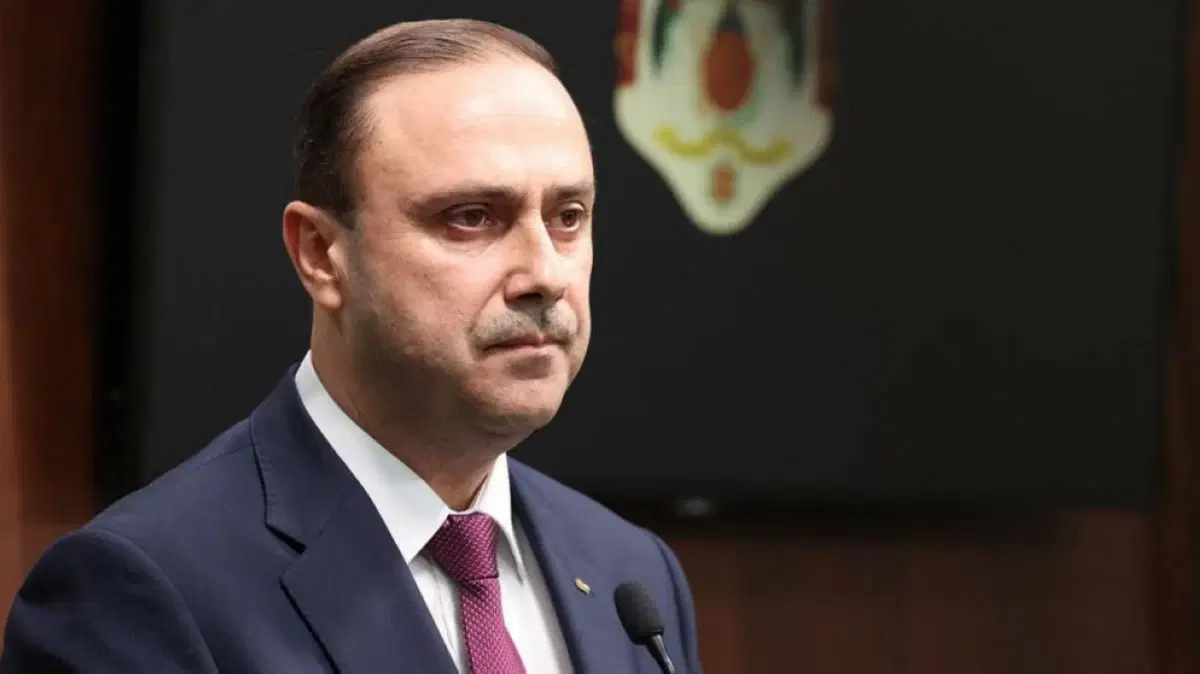
He pointed out that the transition of media from following events to influencing requires reading and analyzing competing narratives, and understanding the public's questions before they turn into crises or information gaps, noting that the function of media has gone beyond reporting what happened to interpreting its causes, meanings, and potential consequences.
He explained that Jordan is working to enhance government communication through continuous monitoring, quick provision of information, development of media spokespersons' performance, and strengthening direct communication with the public, affirming that the real value of government communication lies in providing accurate information that helps the public understand what is happening with confidence.
Speaking about the Arab narrative, Al-Moumni said that media competition now includes narratives, interpretations, and mental images as much as it includes news, which requires presenting the Arab narrative with facts, images, witnesses, and context, and expanding the presence of Arab content in the world's languages and on its various platforms, alongside enhancing Arab cooperation in exchanging trusted information and content.
Regarding artificial intelligence, Al-Moumni confirmed that it has become part of the media and government work environment, stressing the need to benefit from its capabilities while maintaining professional and humanitarian responsibility, especially with the development of misinformation and disinformation techniques, which increases the importance of a trusted source.
He said that Jordan is treating artificial intelligence as a promising opportunity for development, while keeping the government institution as the source and responsible for the information, calling for broader Arab cooperation in the fields of artificial intelligence, data, and professional standards.
Al-Moumni emphasized that digital platforms have become a major space for the public's presence, which requires developing content according to the nature of each platform, stressing the importance of transitioning from protocol-based media cooperation to practical partnerships in training, verifying information, exchanging content, artificial intelligence, preparing young media leaders, and investing in data and digital content and verification and rebuttal tools.
He said that technology has provided Arab media with a greater opportunity to reach the global audience, affirming that the future of media is linked to the institutions' ability to gain and maintain the public's trust, while the role of media and communication ministries is to empower institutions and their staff to keep up with and lead transformations.