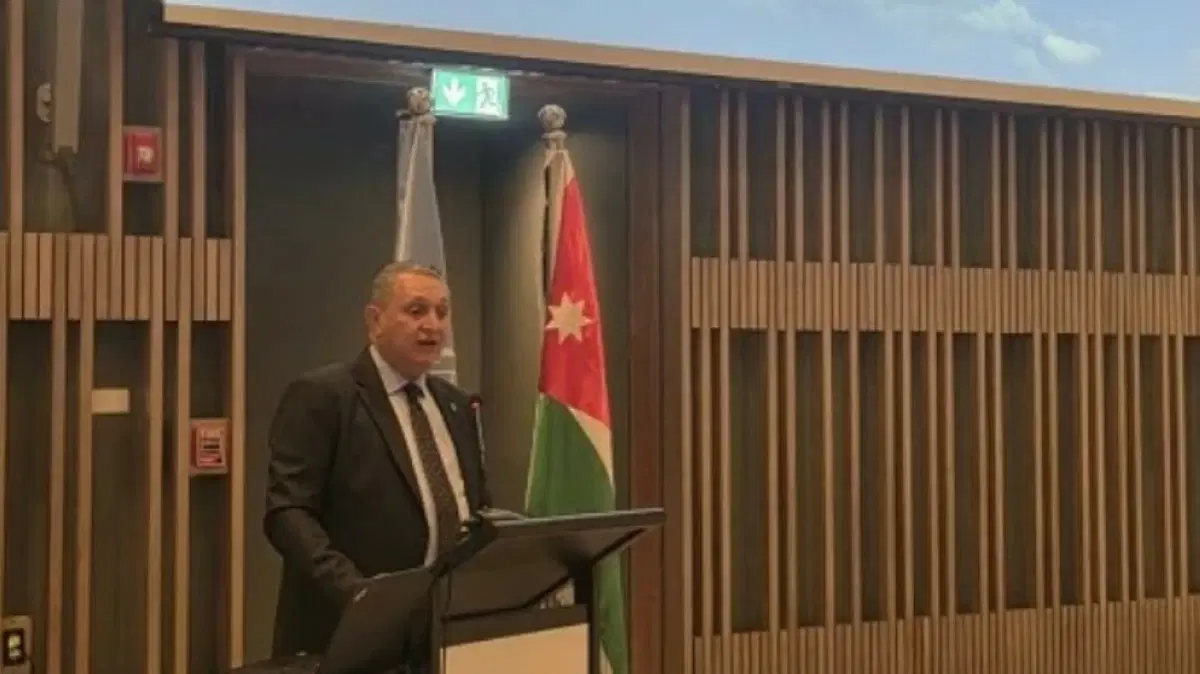
Suleiman said that the meeting comes as a continuation of the regional cooperation path in the field of air quality and enhancing the exchange of experiences and good practices, supporting the development of a more integrated approach to air quality management, noting that air pollution is one of the most prominent environmental and health challenges, and that pollutants do not recognize political borders, while the region is also affected by sand and dust storms.
He emphasized the importance of the network as a platform for coordination, exchanging knowledge and expertise, enhancing national and regional capacities, and supporting countries in developing more effective procedures to reduce air pollution and linking air quality improvement efforts to climate action and sustainable development.
He pointed out that Jordan, within the framework of the economic modernization vision, continues to implement policies and programs in the fields of renewable energy, energy efficiency, and sustainable transport, contributing to reducing emissions and improving air quality, noting that the contribution of renewable energy projects to the electricity generation mix reached about 26.9 percent by the end of 2024, in addition to the Ministry's continued development of the monitoring and control system and providing reliable data to support environmental decision-making.
Suleiman stressed Jordan's keenness to continue working within the network, exchanging expertise, building capacities, and developing joint tools to address air pollution challenges, noting that the meeting represents an opportunity to translate knowledge into practical actions and determine priorities for joint work towards cleaner air and a more sustainable environment.
The meeting's activities discuss a number of topics related to enhancing regional cooperation in the field of air quality, exchanging data and expertise, and best practices, in addition to presenting national and regional challenges and priorities and exploring ways to develop monitoring and evaluation mechanisms and build capacities, contributing to supporting policies and procedures aimed at improving air quality and reducing its environmental and health impacts.