Middle East War Pushes ASEAN Countries to Increase Focus on Energy Security Plans
Amman3 min read
Share
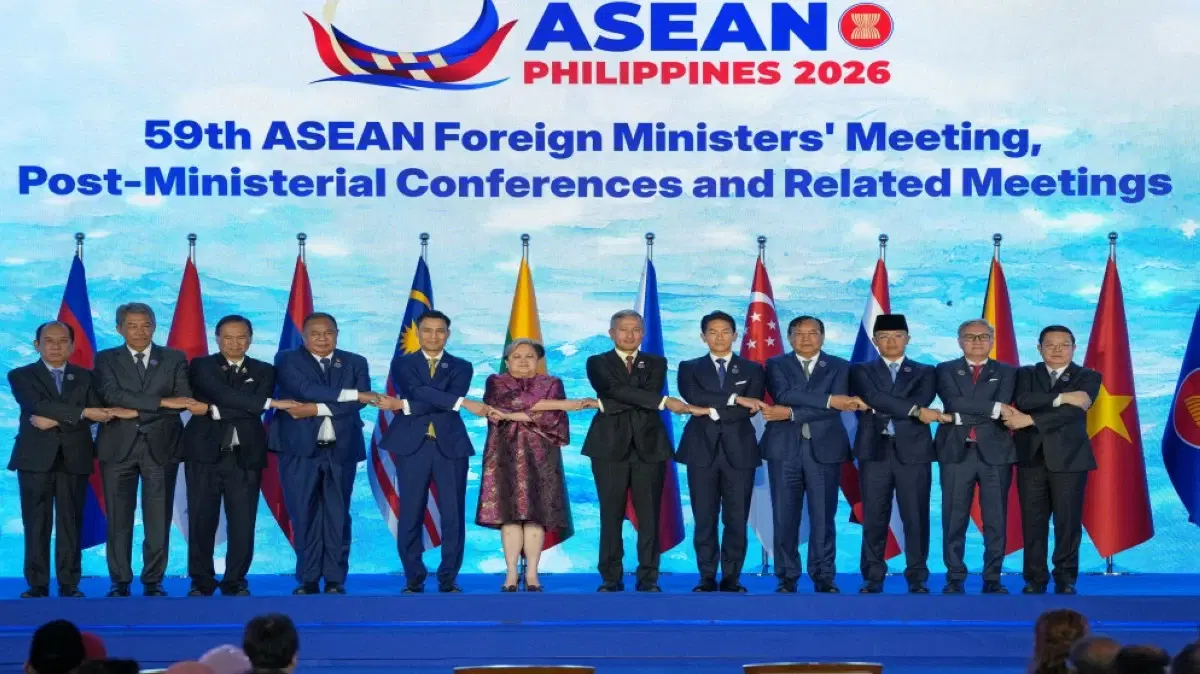
Energy ministers from Southeast Asian countries, meeting in Manila this week, face the prospect of a prolonged Middle East war that has exposed vulnerabilities in their region due to its reliance on energy imports.
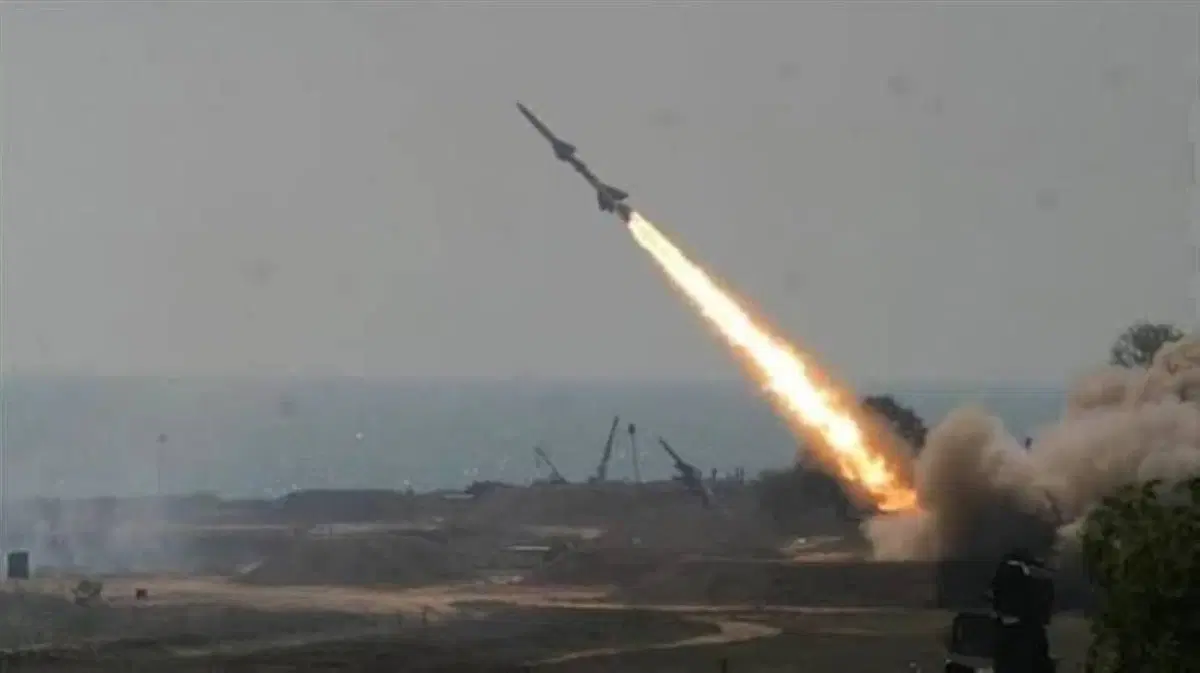
As the US-Israeli war on Iran continues, there is an increasing urgency for the Association of Southeast Asian Nations (ASEAN) to implement its proposed energy security plans and reduce its exposure to price shocks caused by attacks on infrastructure and shipping routes in the Middle East.
ASEAN countries import more than half of their crude oil needs for their refineries from the Middle East, amid record global oil prices of around $100 per barrel.
This conflict has heightened concerns about broader energy security risks, as Chinese refineries have suspended oil product exports for October.
Against this backdrop, energy ministers are expected to review the region's fuel security measures during their meeting in Manila, which were launched after emergency talks earlier this year, including efforts to implement coordinated emergency responses under an ASEAN Framework Agreement on Petroleum Security.
The agenda also includes long-term initiatives, such as the ASEAN Power Grid and the deployment of renewable energy.
Philippines Energy Undersecretary Felix Fuentebella said on October 1, "What the crisis has brought is a greater focus on resilience," adding that energy security has shifted from a technical issue to a priority for ASEAN ministers and leaders.
Lower Profits
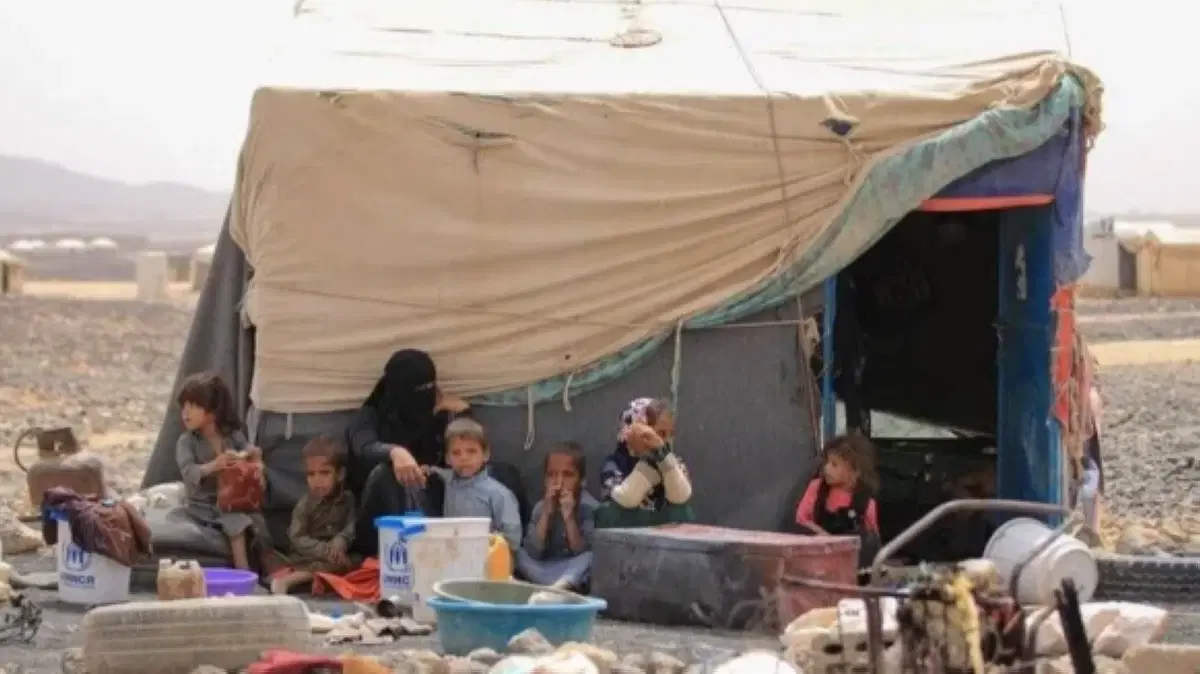
High prices are increasing costs for households in the region and negatively impacting the income of workers in the transport sector.
The ASEAN Center for Energy warned in a policy paper that a severe disruption in Middle East supplies could jeopardize oil volumes equivalent to nearly 28% of ASEAN's final oil consumption, underscoring the need for stronger regional petroleum security arrangements.
Energy Secretary Sharon Garin said the Philippines, which remains under a national energy emergency, is exploring regional fuel storage arrangements and can host future storage projects.
However, analysts warned that such measures are unlikely to affect the current crisis.
Ministers are also expected to discuss ways to reduce long-term dependence on imported fuel. Renewable energy, electric vehicles, and energy efficiency are expected to receive significant attention.
The International Energy Agency estimates that Southeast Asia's energy import bill could rise from over $80 billion in 2024 to around $245 billion by 2035 if no structural change is made.
The International Energy Agency said that expanding the use of electricity, including electric vehicles and biofuels, will help reduce oil demand and minimize exposure to fuel import fluctuations, while cross-border lines under the ASEAN Power Grid that would integrate the region's electricity grid will require an investment of $27 billion by 2040.