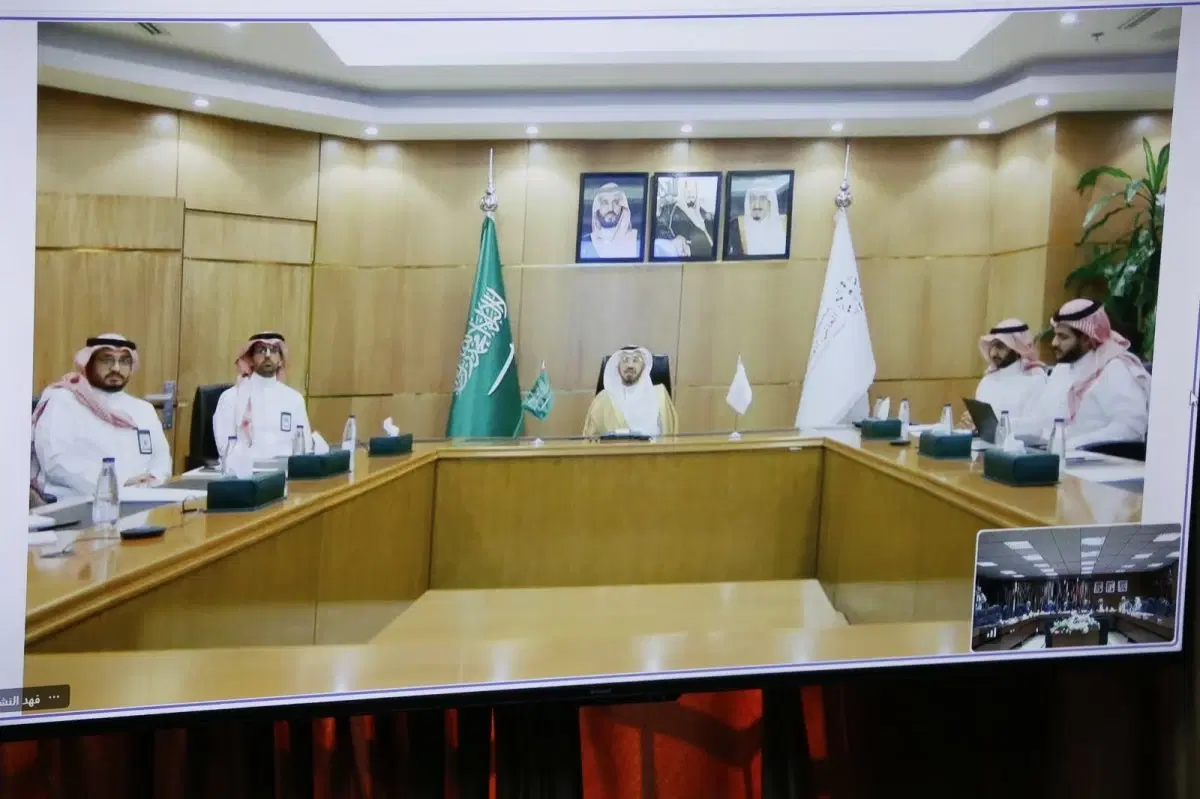
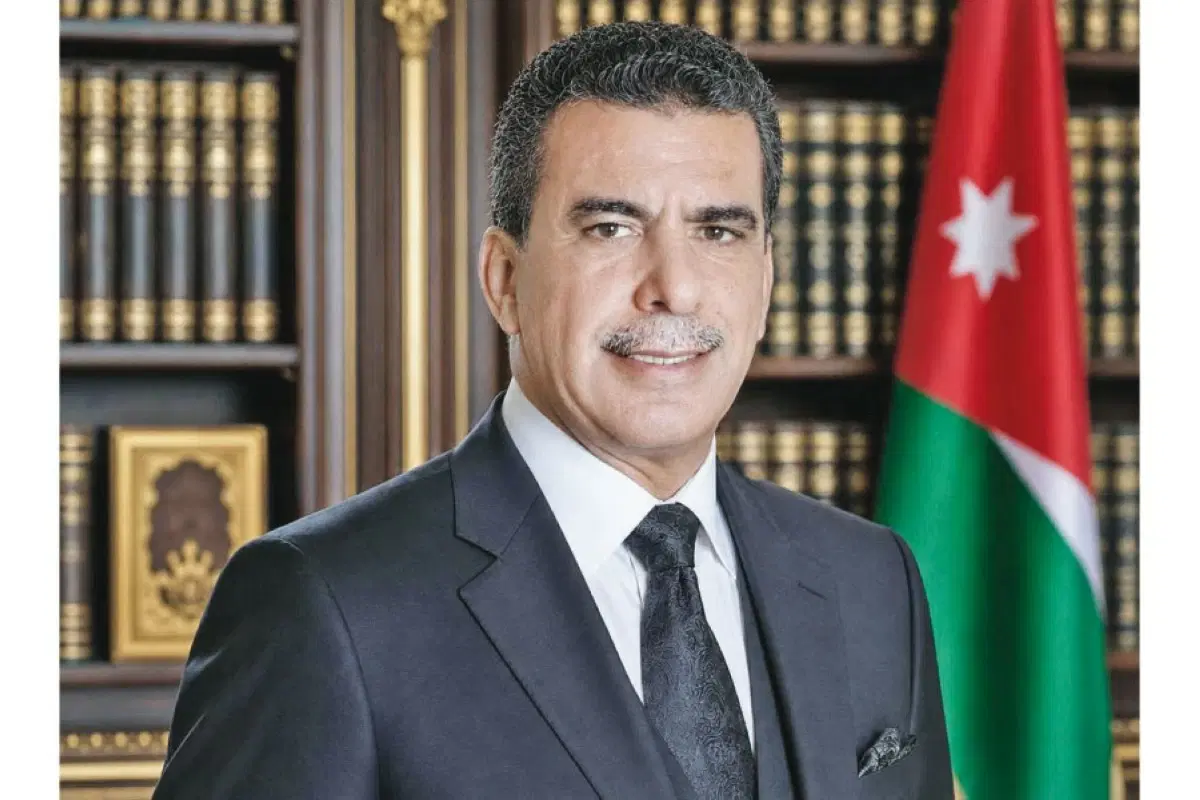
Al-Bakhit emphasized that the signing of the MoU embodies the depth of the brotherly relations and scientific cooperation existing between the linguistic institutions of both countries, noting that unifying efforts and integrating expertise between Arab academies constitute an important step in protecting Arab identity and promoting scientific research and linguistic technologies.
He stated that cooperation between the two academies would open new horizons for joint linguistic work and support efforts aimed at developing research tools and services that contribute to serving the Arabic language and its speakers.
For his part, Al-Washmi affirmed that the cooperation with the Jordanian Arabic Language Academy comes within the framework of enhancing integration between Arab linguistic institutions and expanding areas of knowledge and expertise exchange, contributing to the development of joint initiatives that serve the Arabic language and enhance its presence in various fields.
He pointed to the importance of leveraging the scientific output provided by linguistic academies and transforming it into modern digital applications and solutions, allowing for wider access and utilization, and enhancing the presence of Arabic in contemporary contexts.
The MoU includes cooperation in preparing research, studies, and scientific projects related to the Arabic language and its sciences, publishing, translating, and printing studies, in addition to organizing specialized training programs in linguistic sciences.
The areas of cooperation also include the implementation of the "Hamza" academic proficiency test for non-native speakers, working on building digital dictionaries and linguistic corpora, and making them available to beneficiaries through the "Siwar" platform for digital dictionaries and the "Falak" platform for linguistic corpora, as well as exchanging linguistic and cultural data between the two sides.
The MoU also stipulates enhancing cooperation in celebrating World Arabic Language Day, organizing linguistic exhibitions, competitions, events, and scientific programs, in addition to holding seminars, training courses, and discussion panels, contributing to strengthening the presence of the Arabic language and its role in various fields.
This memorandum comes within the framework of the King Salman Global Academy for Arabic Language's efforts to expand its partnerships with Arab linguistic institutions and academies, enhance cooperation in knowledge production and dissemination, and support the use of the Arabic language at both local and international levels, particularly in scientific, educational, and technical fields, in line with the objectives of the Kingdom of Saudi Arabia's Vision and the Hashemite Kingdom of Jordan's vision.