Medical Consultants: Banning Hookah in Public Places is a Decision to Promote Health
Amman5 min read
Share
Consultants in thoracic diseases confirmed that the government directives issued by Prime Minister Dr. Jafar Hassan to the Ministries of Health and Interior, which consist of tightening the ban on bringing hookahs into parks and public facilities, represent an important step towards promoting public health, reducing exposure to secondhand smoke, and preserving the aesthetics of public places to be a safe and healthy environment for all members of society.
They stated that the implementation of these directives contributes to protecting visitors to parks and public facilities, especially children, the elderly, and respiratory patients, from the harms resulting from inhaling smoke emitted from hookahs, emphasizing that the right to enjoy a clean environment free of pollutants should be a priority in health and social policies.
The President of the Jordan National Anti-Smoking Society, Dr. Bassam Hijjawi, pointed out that the prevailing belief that hookah is less harmful than cigarettes is incorrect, as smoking it involves multiple health risks, including cardiovascular diseases, chronic respiratory diseases, and increased chances of developing lung cancer and other types of cancer.
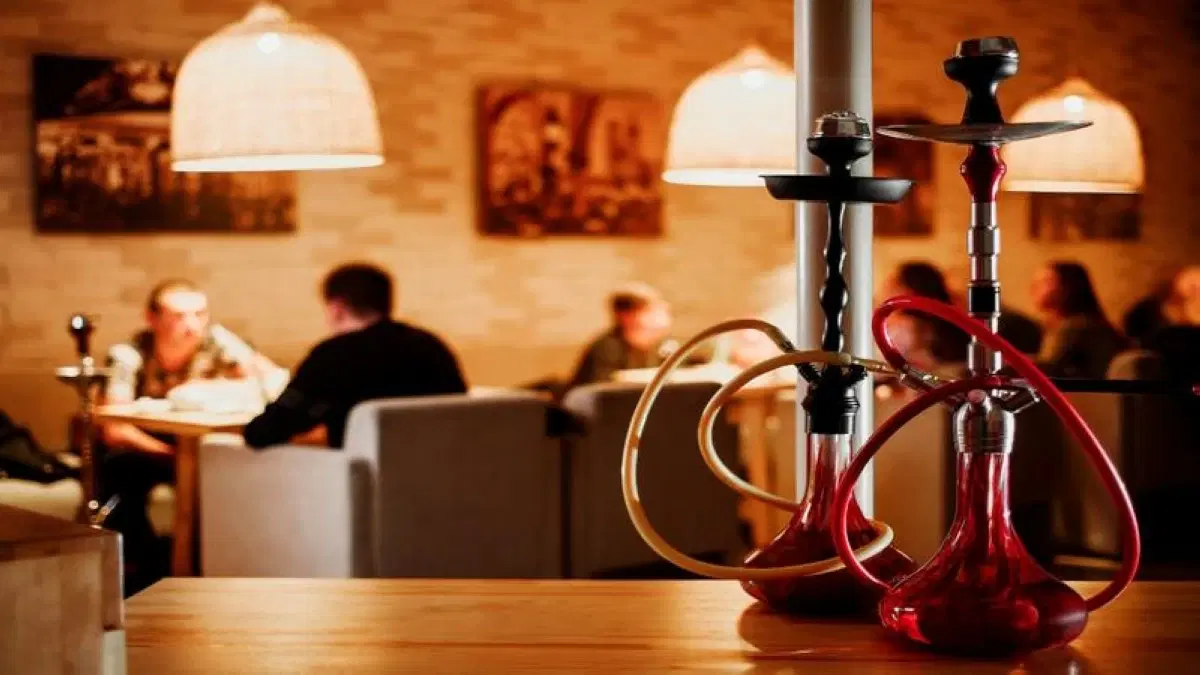
He explained that hookah smoke contains nicotine, toxic substances, and chemicals resulting from the combustion of tobacco and charcoal. Furthermore, inhaling smoke indirectly may expose non-smokers to health risks, even if they did not choose to smoke themselves. The presence of hookahs in parks, gardens, and public squares does not only affect the health aspect, but also affects the nature of the use of these facilities, limits the ability of families to enjoy them in a comfortable and clean atmosphere, in addition to the waste resulting from charcoal and tobacco and the distortion of the general appearance they cause.
He noted that recent studies have shown the scale of health risks resulting from hookah smoking, indicating that smoking it for one hour is equivalent, in terms of the severity of health damage, to smoking about 60 cigarettes, and that the world records about 9 million deaths annually resulting from smoking-related diseases, including about 1.5 million deaths of non-smokers as a result of their exposure to secondhand smoke, especially in public places.
Hijjawi emphasized that the spread of hookahs in places designated for picnics and family activities contradicts the concepts of civilized behavior and social responsibility, stressing the importance of adhering to the instructions and cooperating with the concerned authorities to ensure the success of the decision's implementation.
For his part, the Secretary-General of the Arab Thoracic Physicians Association, Dr. Mohammad Hassan Al-Tarawneh, confirmed that this step reflects a trend towards strengthening preventive health and establishing a culture of respect for public places, which contributes to protecting the health of individuals, improving the quality of life, and preserving the cleanliness and aesthetics of public facilities so that they remain a safe and suitable outlet for all citizens. It also constitutes a decisive and responsible step in the path of strengthening the national preventive health system and establishing the right to a healthy and safe environment that allows citizens and their families to enjoy green spaces and breathe fresh air away from the dangers of secondhand smoke and exposure to pollutants emitted from tobacco products.
He explained that public parks and green spaces represent the "open lung" of cities and constitute an essential outlet for citizens and a place for practicing sports, recreational, and social activities in a healthy atmosphere. From this perspective, allowing the spread of hookahs in these spaces contradicts the health and environmental goals for which they were established and limits the ability of their visitors to benefit from them as safe places for rest and recreation.
He emphasized that decisions aimed at reducing smoking in public places gain additional importance in light of the need to enhance community awareness of the dangers of tobacco products, correct misconceptions associated with hookah, and establish a culture of respecting the rights of others to breathe clean air without exposing them to health risks they did not choose to be exposed to.
Al-Tarawneh stressed that the success of the decision requires a complementarity of roles between the concerned authorities, through activating field monitoring, clarifying instructions to visitors, enhancing awareness of the dangers of secondhand smoke, and ensuring the fair and regular application of relevant legislation. He emphasized that adherence to the instructions should not be viewed merely as a regulatory measure, but as a civilized behavior that reflects awareness of the rights of others and concern for the safety of society.
He called on citizens to fully cooperate with the competent authorities and adhere to the instructions regulating the use of parks and public facilities, confirming that protecting these spaces is a shared responsibility that requires a real partnership between official institutions, the local community, and various segments of citizens.
Investing in preventive health begins with creating a sound environment in which sources of exposure to health risks are reduced, and keeping public parks free from hookah smoke represents an important step towards healthier cities, a more aware society, and public spaces that befit citizens and guarantee everyone's right to picnic and recreate within a clean and safe environment.