Lower dose.. promising results for a new pulmonary fibrosis treatment
Monitoring3 min read
Share
The American pharmaceutical company Bristol Myers Squibb announced positive results from a phase 3 clinical trial of its experimental drug "Admilparant," which demonstrated its ability to slow the decline of lung function in patients with idiopathic pulmonary fibrosis, in notable results where the lower dose outperformed the higher dose in achieving the study's primary endpoint.
The trial included 1,255 patients, with the aim of evaluating the drug's efficacy and safety over 52 weeks, by testing two oral doses, the first at 60 milligrams and the second at 120 milligrams, twice daily, while comparing the results with a group that received a placebo.
The results showed that the 60-milligram dose succeeded in slowing the decline of lung function with statistical significance compared to the placebo, while the higher dose did not statistically achieve the study's primary endpoint, despite recording an improvement in the same indicator.
Researchers relied on measuring forced vital capacity to evaluate the treatment's efficacy, which is a test that determines the amount of air a patient can forcefully exhale after taking a deep breath, and is used to monitor the progression of diseases that affect lung efficiency.
Different mechanism of action
"Admilparant" targets a protein receptor known as "LPA1," which is involved in biological processes associated with the formation of fibrotic tissue. The drug works by inhibiting this receptor, in an attempt to reduce scarring and slow the progression of the disease.
The company reported that the drug showed good tolerability in patients who received both doses, with discontinuation rates due to side effects being similar to the rates recorded in the group that received the placebo.
If the drug receives the necessary regulatory approvals, it could represent a new treatment option for patients with idiopathic pulmonary fibrosis, within a drug class that targets a different mechanism in the disease's progression.
Chronic disease and limited treatment options
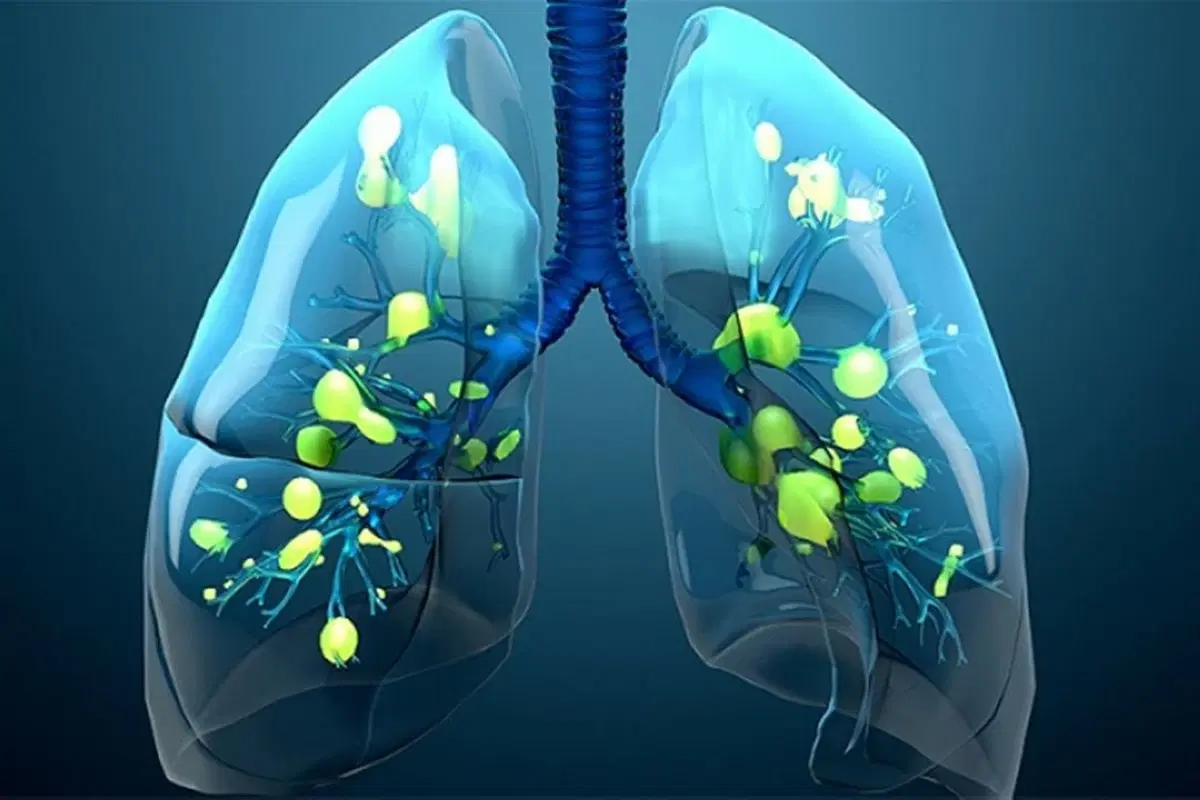
Idiopathic pulmonary fibrosis is a chronic and progressive disease, during which permanent scars form in the lung tissue, making it thicker and stiffer and limiting its ability to expand during breathing.
As the disease progresses, lung efficiency gradually declines, and patients suffer from increasing difficulty in breathing that may affect their daily activities. So far, available treatments cannot remove the scars that have already formed, but they contribute to slowing the deterioration of lung function.
Treatments used include nintedanib and pirfenidone, along with other therapeutic options, while research continues to develop more effective and better-tolerated drugs in the long term.
New results expected in 2027
"Admilparant" remains an experimental drug and has not yet received the necessary approvals for use in treating idiopathic pulmonary fibrosis.
The company intends to complete the analysis of the trial data and communicate with regulatory authorities in preparation for the next steps. It is also testing the drug in another phase 3 trial targeting patients with progressive pulmonary fibrosis, with initial results expected in early 2027.
The latest results reinforce hopes for developing new treatment options for the disease, but determining the drug's place in medical practice will remain contingent upon completing the evaluation of efficacy and safety data and obtaining the required approvals.