London raises the ceiling of confrontation with Netanyahu's government
Miliband: London will not bow to the destruction of the two-state solution
Amman7 min read
Share
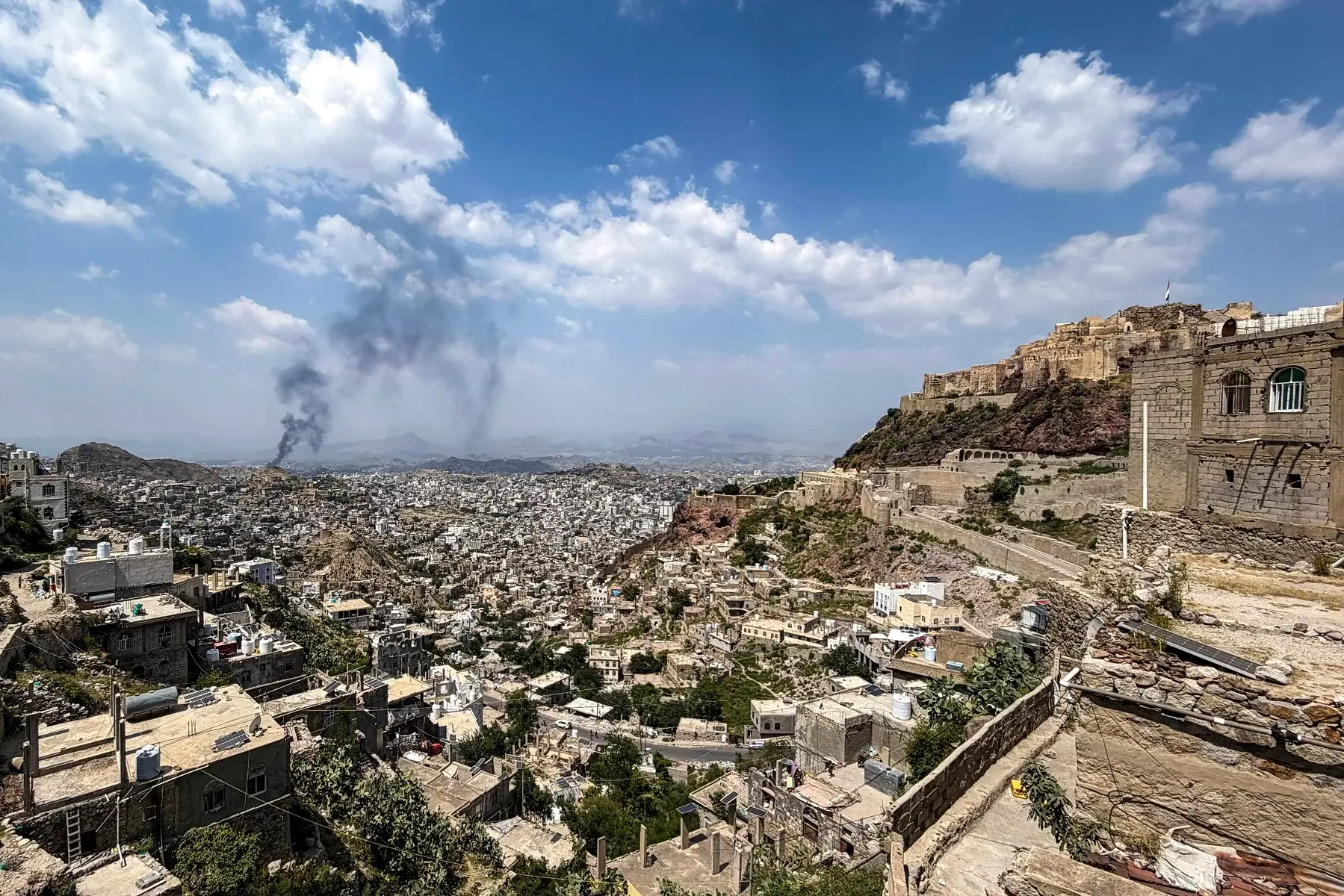
Informed sources in the British Foreign Office revealed that London's decision to ban the import of Israeli settlement products and impose restrictions on entities associated with them came after repeated attempts to dissuade the Israeli government from its policies in the occupied Palestinian territories. However, these efforts did not achieve results in light of continued settlement expansion, settler violence, and the escalation of military operations in the Gaza Strip and the West Bank.
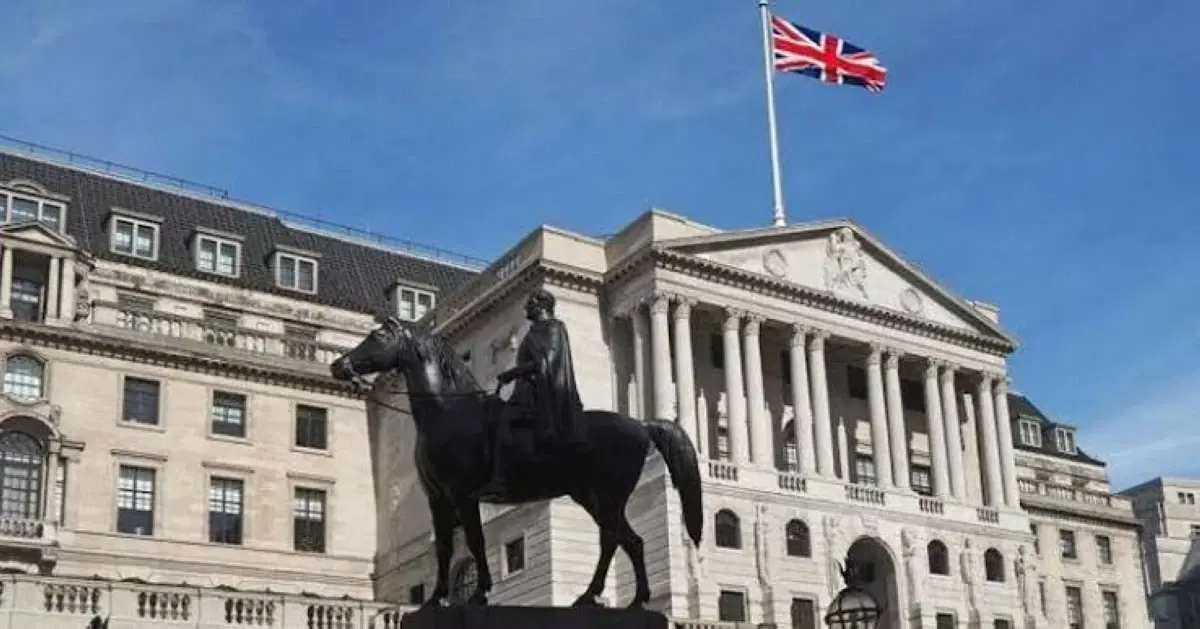
British Foreign Secretary Ed Miliband announced before the House of Commons that his country would ban the import of all goods produced in Israeli settlements built on occupied Palestinian land, in addition to imposing restrictions on related services, including financing, construction, infrastructure, and advertising, with the measures to take effect within a period of six to nine months.
Miliband, who is a British Jew, told Parliament: "I feel a deep sense of shame regarding what is happening in Palestine under the eyes of the international community," stressing that his country "will not bow to the destruction of the two-state solution."
The British move did not come in isolation, as France and Canada announced on the same day their intention to ban imports of settlement products, while other countries, including Denmark, Finland, Iceland, Ireland, Norway, Poland, Portugal, Sweden, and Spain, announced their support for this step or the initiation of similar measures.
A joint statement by the concerned countries affirmed that "the two-state solution must be preserved," and that they would take measures to contribute to achieving a "just and lasting peace," expressing their strong opposition to actions that amount to the annexation of Palestinian land and the forced displacement of Palestinian residents.
The British decision, according to political analyses, came as a result of a combination of internal, regional, and international factors, foremost among them the mounting popular and parliamentary pressure on the British government, as more than 140 MPs signed a petition demanding a ban on trade with settlements, while a poll conducted by YouGov showed that 50 percent of British voters support the ban, compared to 16 percent who oppose it. Political analyst Patrick Cockburn, a special correspondent for the British newspaper "i", believes that the suffering of Palestinians in the West Bank makes imposing sanctions a "moral necessity," noting that more than a thousand Palestinians have been killed in the West Bank over the past three years, a quarter of whom were children.
Regionally, the issuance of a construction tender in the strategic "E1" area east of Jerusalem contributed to accelerating the British position, after London repeatedly warned Israel that proceeding with the project crosses "red lines," given the potential consequences of separating the northern West Bank from its south and undermining the possibility of establishing a geographically contiguous Palestinian state.
Analysts believe that the decline of the American role in the region has allowed European countries more space to maneuver, at a time when President Donald Trump's administration is preoccupied with the escalating crisis with Iran and other regional files, in addition to its tendency to reduce its direct involvement in the Middle East, which, according to these analyses, has weakened the effectiveness of the traditional American umbrella that provided Israel with broad political protection in international forums.
In this context, political analyst at the newspaper "Haaretz" Lisa Rozovsky, in an article titled "Britain has broken the barrier of fear and set an international precedent," pointed out that London, in light of Washington's refusal to intervene, managed to mobilize a number of countries to take a broad step against the settlements, considering that the countries leading the imposition of sanctions will need legislation to translate these announcements into practical measures.
Rozovsky said that Britain, less than two months after Andy Burnham took office as Prime Minister, "broke the barrier of fear" and declared that the Israeli occupation in the West Bank and Gaza Strip is illegal, and that it would ban trade with Israeli settlements and impose sanctions on entities working to expand them, noting that the decision came as a result of a political process that lasted for months.
She added that internal factors in Britain coincided with the escalation of settler violence and the issuance of the construction tender in the "E1" area, contrary to the pledges made to Britain and a number of European countries regarding the project, suggesting that the American preoccupation with the crisis with Iran and the Strait of Hormuz, along with the decline in Washington's ability to perform its traditional role in supporting Israel, were among the reasons for the timing of the British move.
Rozovsky also linked the British position to what she described as the American administration's "weariness" with the Netanyahu government, against the backdrop of the failure of Trump's plan regarding Gaza and the Israeli government's continued support for settlers in the West Bank, as well as the nature of the American administration's political orientations, which are characterized, as she described, by impulsiveness and detachment from some traditional foreign policy commitments.
For Burnham, the British move represents evidence of his country's ability to lead and adhere to principles, which he expressed in a post on the "X" platform and in statements before Parliament.
About a week before the British announcement, and during French President Emmanuel Macron's visit to London, the two sides agreed that France would join the boycott of settlement products, while Canada, a member of the G7, followed suit, making London, according to Rozovsky, at the forefront of the most prominent Western move to date against settlement activity in the West Bank.
Conversely, the decision sparked division within the political scene and the Jewish community in Britain, as the Chief Rabbi of Britain, Sir Ephraim Mirvis, described the day of the announcement as "a truly dark day for British Jews." Miliband responded by affirming that he is a "proud British Jew," but that he disagrees with this position, stressing that standing up for the values of the rule of law, dignity, and preventing injustice does not conflict with his identity.
Edward Leigh, Father of the House of Commons, also announced his full support for the government, saying he was proud to support what the Prime Minister is doing, considering that it is a matter of defending freedom, morality, and justice for all people.
In a parallel diplomatic escalation, Israeli National Security Minister Itamar Ben-Gvir called on Prime Minister Benjamin Netanyahu to recognize Argentina's sovereignty over the Falkland Islands, which are disputed with Britain, in a move observers considered a retaliatory message in response to the British position.
Analysts believe that the British measures, regardless of the historical contradictions in Britain's relationship with the Palestinian cause, from the Balfour Declaration to subsequent policies related to Jewish immigration, may set an important international precedent in dealing with Israeli settlements.
Paul Wood, a former foreign correspondent for the BBC, said that the Netanyahu government has, in effect, received what its policies contributed to achieving, after settlement expansion policies pushed even some of Israel's closest allies to adopt unprecedented positions.
On the other hand, Senator Tom Tugendhat, the opposition Conservative Party's foreign affairs spokesman, warned that turning Israel into a "pariah state" could lead to deepening sectarian divisions in Britain and increasing anti-Semitic violence.
The British government, despite the pressure and criticism, seems determined to proceed with its measures, as Prime Minister Burnham emphasized that Britain "must pay the price for its position," stressing that "in this difficult and dangerous world, Britain must stand for something."
Rozovsky considered that what the international arena is witnessing represents a "political tsunami," in reference to the rapid shifts in the positions of a number of Western countries towards Israel and the Palestinian cause, especially after Western countries recognized the Palestinian state and increased European moves against settlements. She concluded by saying that the international scene might be different during the upcoming UN General Assembly meetings, especially with the approach of the Israeli elections, considering that the scale of the broad international movement witnessed in previous meetings might not be repeated at the same pace, in light of the rapid political and military developments in the region.