Israel closes British consulate and bans 12 of its officials from entry
Anadolu4 min read
Share
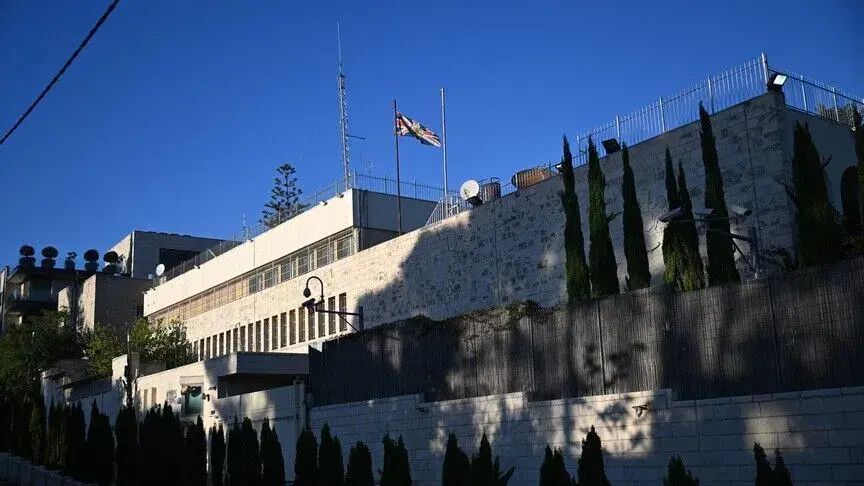
Israeli Foreign Minister Gideon Sa'ar announced on Tuesday the closure of the British consulate in Jerusalem and the banning of 12 elected British officials from entering Israel, as part of a series of measures taken by Tel Aviv following London's announcement of a ban on importing goods from Israeli settlements in the occupied West Bank.
This came in a televised address by Sa'ar, commenting on the announcement by British Foreign Secretary Ed Miliband before the House of Commons regarding the imposition of a ban on importing goods from illegal Israeli settlements.
Miliband had stated that the West Bank is witnessing "ethnic cleansing of Palestinians" committed by Israeli "settler terrorists."
In response, Sa'ar said that Israel has decided to close the British consulate in Jerusalem, considering the British move an "unacceptable attempt" by a foreign government to influence Israel during the Knesset general election period.
He added that the Israeli measures also include expelling British representatives from the international aid center for the Gaza Strip in Kiryat Gat, southern Israel, and terminating British activities related to training Palestinian Authority forces in the West Bank.
Sa'ar also announced a ban on the entry of 12 elected British officials, along with other British citizens, into Israel, on the grounds of their participation in activities he described as "antisemitic."
Sa'ar described the British decision as "absurd" and said his country would not accept what he considered foreign interference in its affairs.
He said that "the Labour government is fueling antisemitism," adding that the Israeli measures come in response to what he described as "outrageous and false accusations" directed against Israel during the British parliamentary session.
He added that Israel "bears no grudge against the British people" and has "many friends in Britain," but said that the Labour government "left us no other choice."
He continued that the British move is "morally distorted and constitutes a blatant interference in the affairs of a sovereign state," adding that London's decision also represents "crude interference in the Israeli electoral process" and an attempt to influence it from abroad.
Sa'ar said that Israel opposes what he described as a "boycott," claiming that the British measures "will directly harm the Palestinians," citing their impact on Palestinians working in the settlements.
The private Hebrew Channel 12 reported that the list of elected officials and British citizens whom Israel has decided to ban from entry includes members of the British Parliament: Jeremy Corbyn, Zarah Sultana, Naz Shah, Diane Abbott, Hannah Spencer, Carla Denyer, Siân Berry, Ellie Chowns, John McDonnell, Richard Burgon, and Adrian Ramsay, in addition to Fahad Ansari, director and founder of the pro-Palestinian movement "Riverway to the Sea."
In Israel, opposition leader Yair Lapid said that Benjamin Netanyahu's government bears responsibility for an "unprecedented diplomatic isolation" of Israel.
Lapid wrote on the American platform "X" that the British decision is a "grave mistake," but he held the Netanyahu government responsible for a "disastrous diplomatic failure," adding that its task was to "prevent the decision before it was issued, not to get into a fight with the entire world."
Israeli President Isaac Herzog also considered the imposition of British sanctions a "blatant interference" in the Israeli general elections scheduled for October 27, claiming that the decision "will directly harm the Palestinians."
British Foreign Secretary Ed Miliband announced on Tuesday that his country would impose a ban on the import of goods from "illegal settlements in the occupied territories" in the West Bank.
He also announced that London would impose sanctions on companies and individuals providing services such as construction, infrastructure, finance, and real estate to expand Israeli settlements in the West Bank, in addition to sanctions on extremist Israeli settlers.
The United Nations confirms that Israeli settlements in the occupied Palestinian territories are illegal under international law and considers them an obstacle to the implementation of the two-state solution.
About 750,000 Israeli settlers live in 194 settlements and 400 settlement outposts in the occupied West Bank, including occupied East Jerusalem, according to Palestinian data.
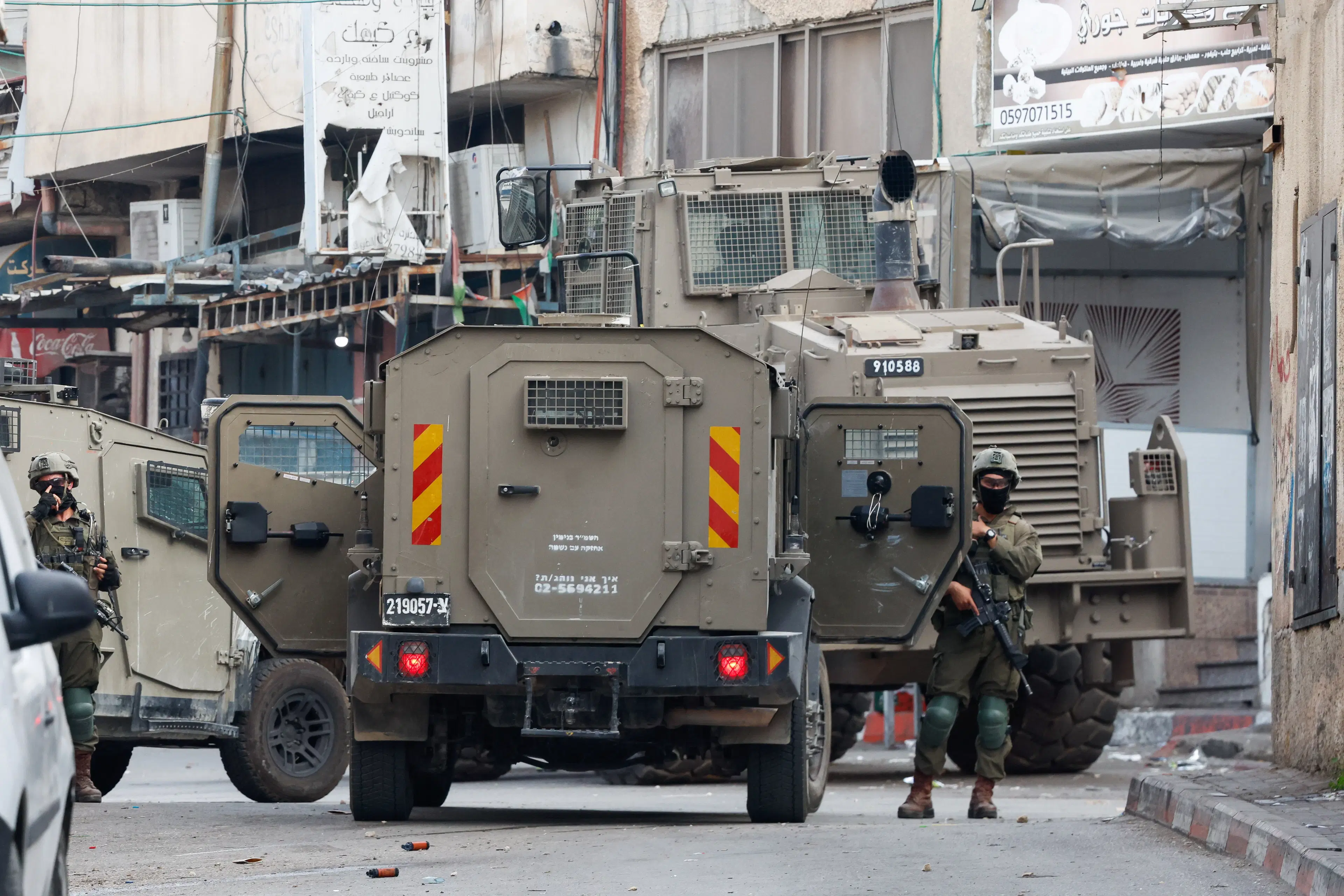
The West Bank is witnessing an escalation in settler attacks and Israeli army raids in conjunction with the ongoing Israeli genocide in the Gaza Strip since October 2023.