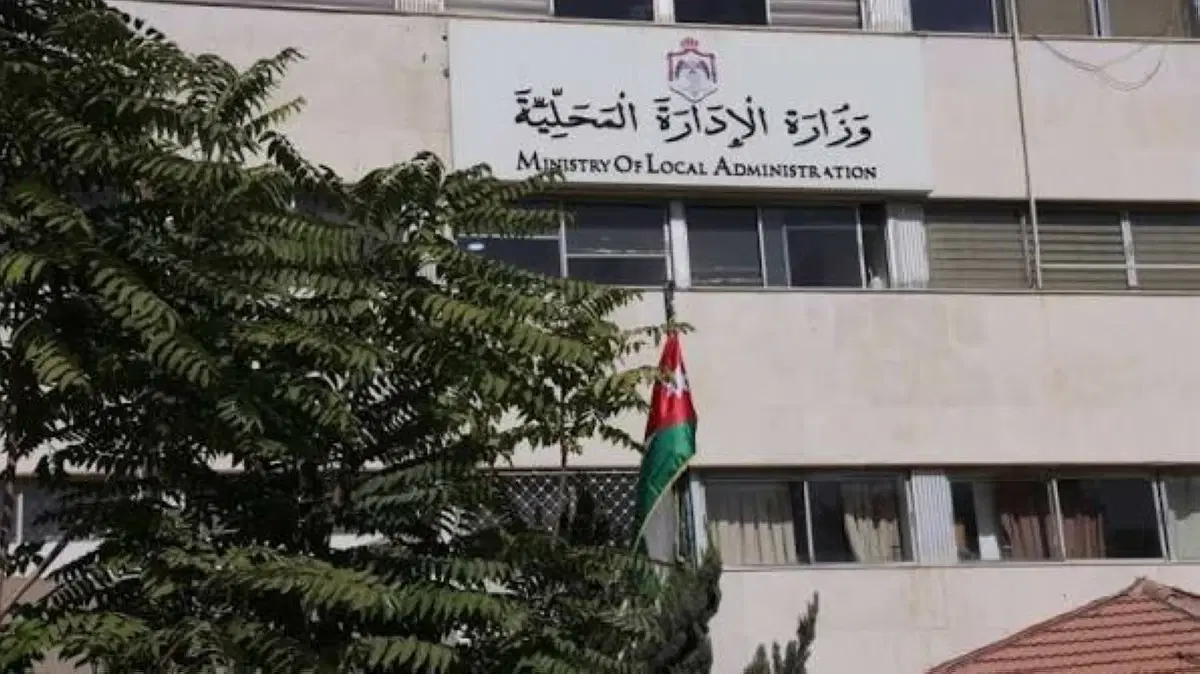
Local Administration Law 2026.. Between Enhancing the Role of Municipalities and Observations on Implementation Mechanisms
Amman3 min read
Share
The Local Administration Law of 2026 has opened a discussion about the future of municipal work and the nature of the relationship between elected councils and executive bodies, in light of the amendments the law carries aimed at developing local administration, improving services, and enhancing the role of municipalities in development.
Lawyer Luay Abdel Karim Bani Omar said in a statement to "Alrai" that the law included important aspects in organizing municipal work but at the same time expressed observations on some of its articles and implementation mechanisms, stressing the need for the powers and responsibilities between the municipal council and the executive body to be clear to prevent any conflict or overlap in competencies.
Bani Omar pointed out that the issue of the executive director is not new in municipal work, but the most important, according to his opinion, is to ensure that the powers granted to the executive body do not weaken the role of the elected municipal council or limit its powers.
He emphasized the importance of preserving the role granted by the law to the municipal council as the elected body representing the citizens, with the need for the relationship with the executive body to be based on complementarity rather than overlap, and for municipal decisions and policies to remain within the framework set by the law.
He also pointed to a number of observations related to the implementation of the law and what some of its articles may entail in practical issues, calling for addressing any conflict in powers through clear systems and instructions that ensure the stability of work within municipalities and preserve the rights of elected councils.
In contrast, former Mayor of Madaba Aref Al-Rwaijat views the law as an important step in developing municipal work, considering that municipalities are among the most institutions in touch with citizens and their daily needs.
Al-Rwaijat said that the law can contribute to improving the level of municipal services in the fields of environment, cleanliness, planning, organization, road lighting, and traffic issues, in addition to enhancing the ability of municipalities to play a greater role in local development.
He pointed out that one of the most prominent aspects included in the law is opening the door to partnership with the private sector, which can provide new investment opportunities and contribute to providing job opportunities for citizens, alongside supporting projects and services needed by local areas.
Al-Rwaijat also pointed to the importance of participatory budgets that allow the involvement of residents and neighborhood committees in determining municipal spending priorities, so that the municipal budget is directed towards the most pressing needs according to the service priorities in each area.
Both parties agreed that the success of the law will remain linked to its implementation mechanisms in reality, but Bani Omar focuses on the need to address the potential overlap in powers and ensure the role of elected councils, while Al-Rwaijat believes that the law opens the door to developing services and expanding community and private sector participation in municipal work.
The Local Administration Law No. 16 of 2026 aims to enhance local administration governance, improve service quality, expand community participation, and empower municipalities to play a developmental and investment role that contributes to stimulating the local economy.
The law also regulates the roles and responsibilities between the municipal council and the executive body and specifies the powers to enhance accountability and oversight, alongside including provisions related to digital transformation, transparency, and the publication of reports related to financial, administrative, and project performance.