Lavrov: The situation in the Middle East is on the brink of an all-out war
Agencies3 min read
Share
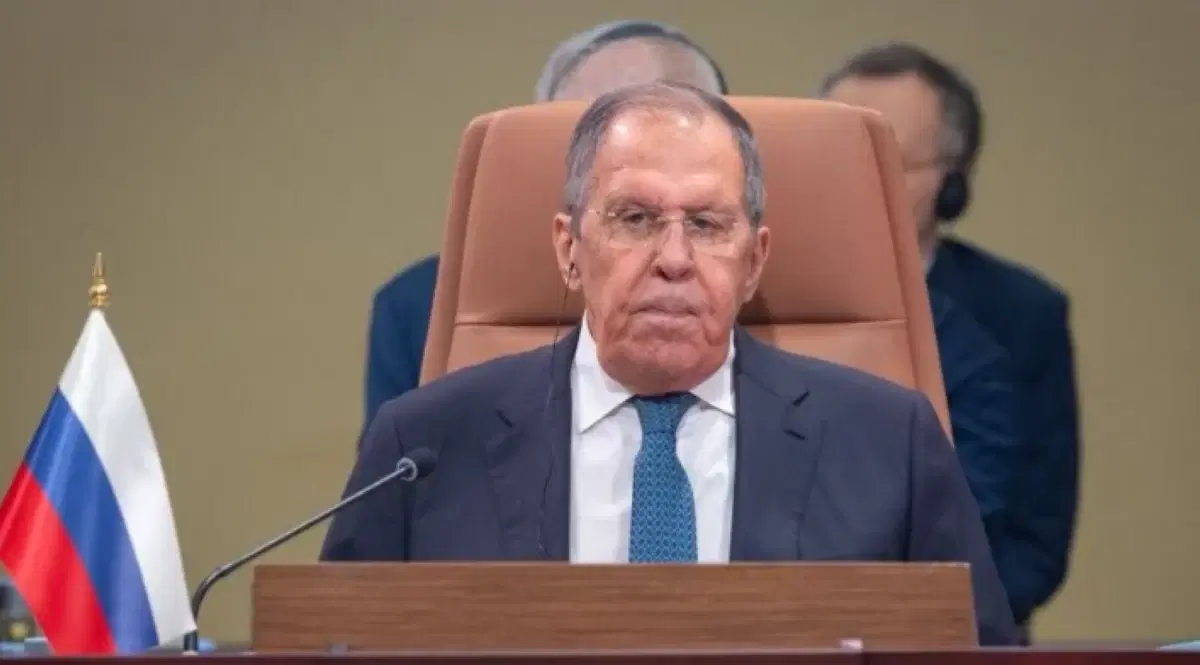
Russian Foreign Minister Sergey Lavrov warned on Sunday that "the situation in the Middle East is on the brink of an all-out war," noting that the root causes of the conflict around the Strait of Hormuz must be addressed.
During a joint press conference with Bahraini Foreign Minister Abdullatif bin Rashid Al Zayani and Gulf Cooperation Council (GCC) Secretary-General Jasem Albudaiwi, Lavrov stated that "the situation in the Middle East is on the verge of resuming an all-out war," as reported by Russian media, including Sputnik.
He added that "it is necessary to address the root causes of what is happening in and around the Strait of Hormuz, including, of course, the implementation of the agreement we all welcomed, which was reached between the United States and Iran under what is known as the 'Islamabad Memorandum'."
Lavrov affirmed the support of Russia and the Gulf states for finding a political and diplomatic solution to the conflict between Saudi Arabia and the Houthi group in Yemen.
In this regard, he said: "We, along with our partners in the Gulf Cooperation Council, support finding a political and diplomatic solution to this crisis, and we believe that all the foundations for this solution are in place."
He pointed out that Russia and its partners have expressed their support for a broader approach to addressing security issues in the region.
He continued: "We believe it is important to strive to build a comprehensive structure that includes all Gulf states, including Arab countries and Iran, and their immediate neighbors, as well as neighboring countries, particularly Iraq and Jordan, with the support of international actors."
On Saturday, Lavrov arrived in Bahrain and participated on Sunday in the ninth joint ministerial meeting of the strategic dialogue between the Gulf Cooperation Council and Russia.
Earlier on Sunday, Lavrov discussed with his Saudi counterpart, Faisal bin Farhan, during their meeting in Manama on the sidelines of the same event, the escalation in Yemen, the ongoing threats to navigation in the Straits of Hormuz and Bab al-Mandab, and efforts to maintain regional security.
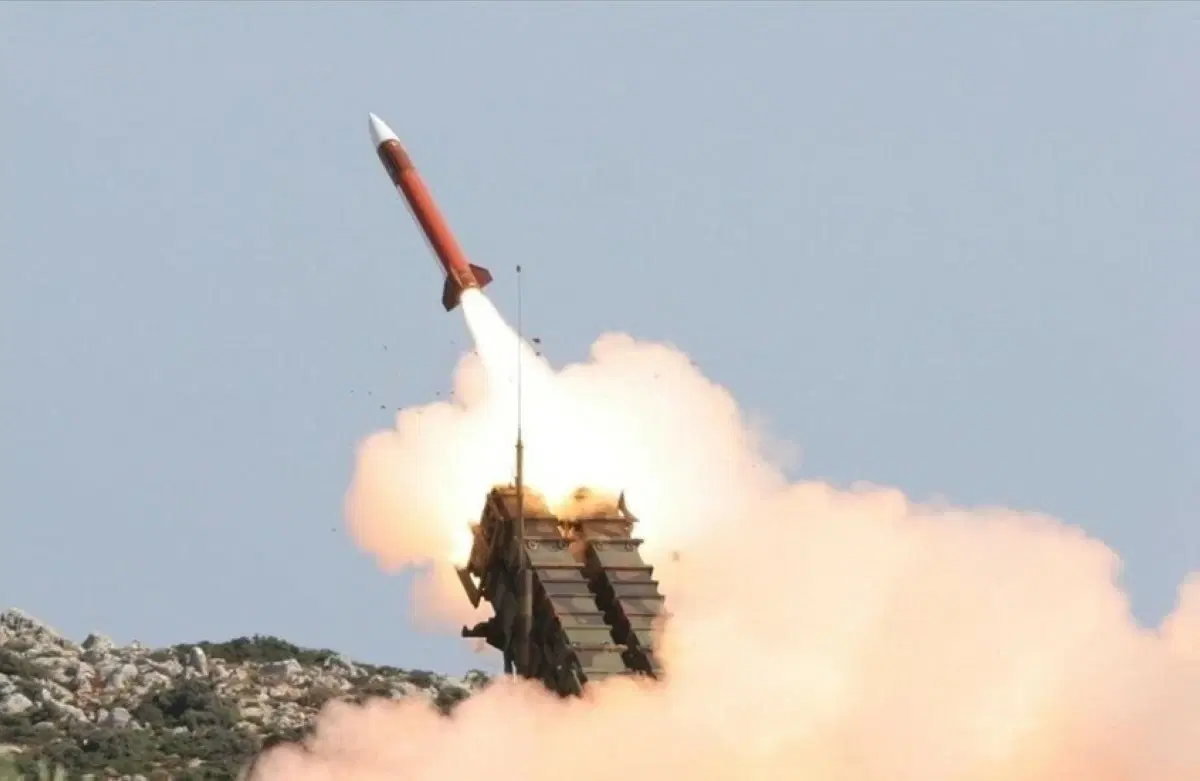
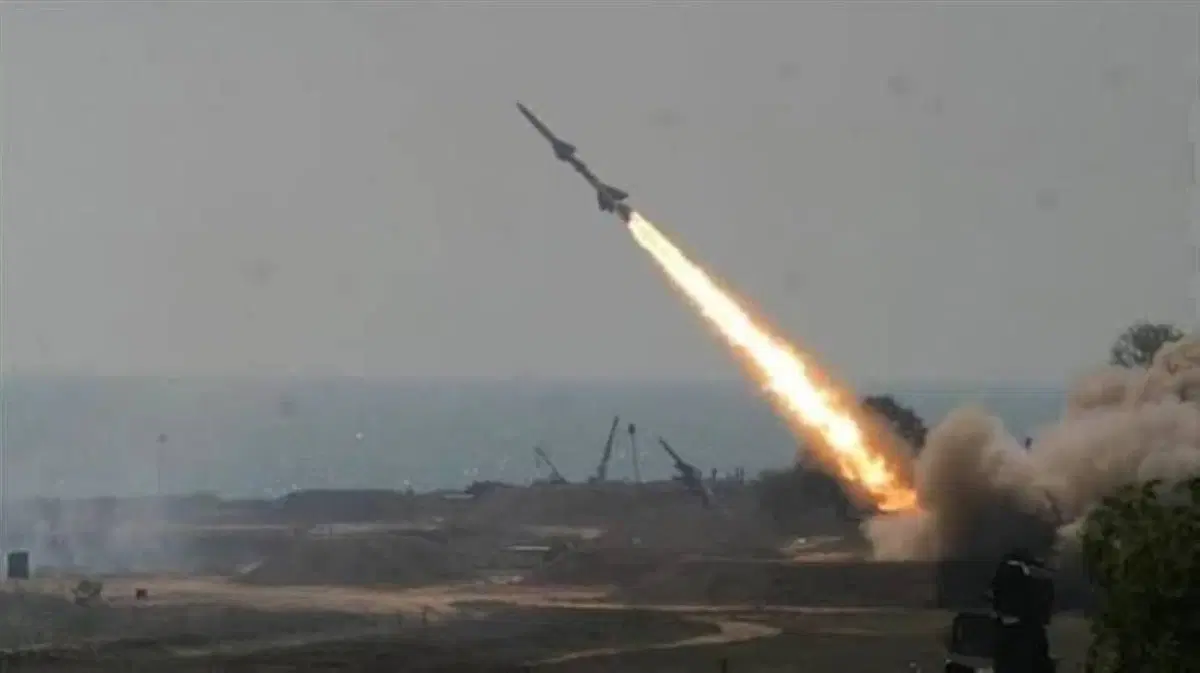
This comes at a time when the region is witnessing a continuous military escalation between Saudi Arabia and the Yemeni Houthi group since last July, which included attacks on civil aviation facilities and energy installations in the Kingdom.
It also comes in light of continued regional tensions, following the faltering implementation of the "Islamabad Memorandum of Understanding" signed by the United States and Iran on June 17, 2026.
The memorandum stipulated a cessation of military operations that began at the end of last February, and the initiation of arrangements to reopen the Strait of Hormuz to navigation, before its implementation faltered due to disputes over its application and navigation in the strait, and the renewal of confrontations last July.