Meeting of foreign ministers from seven European and Middle Eastern countries in Turkey to discuss international and regional crises
Amman4 min read
Share
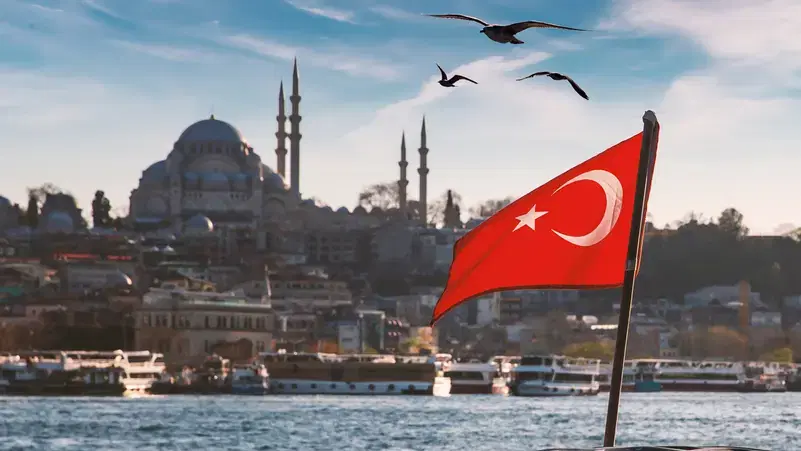
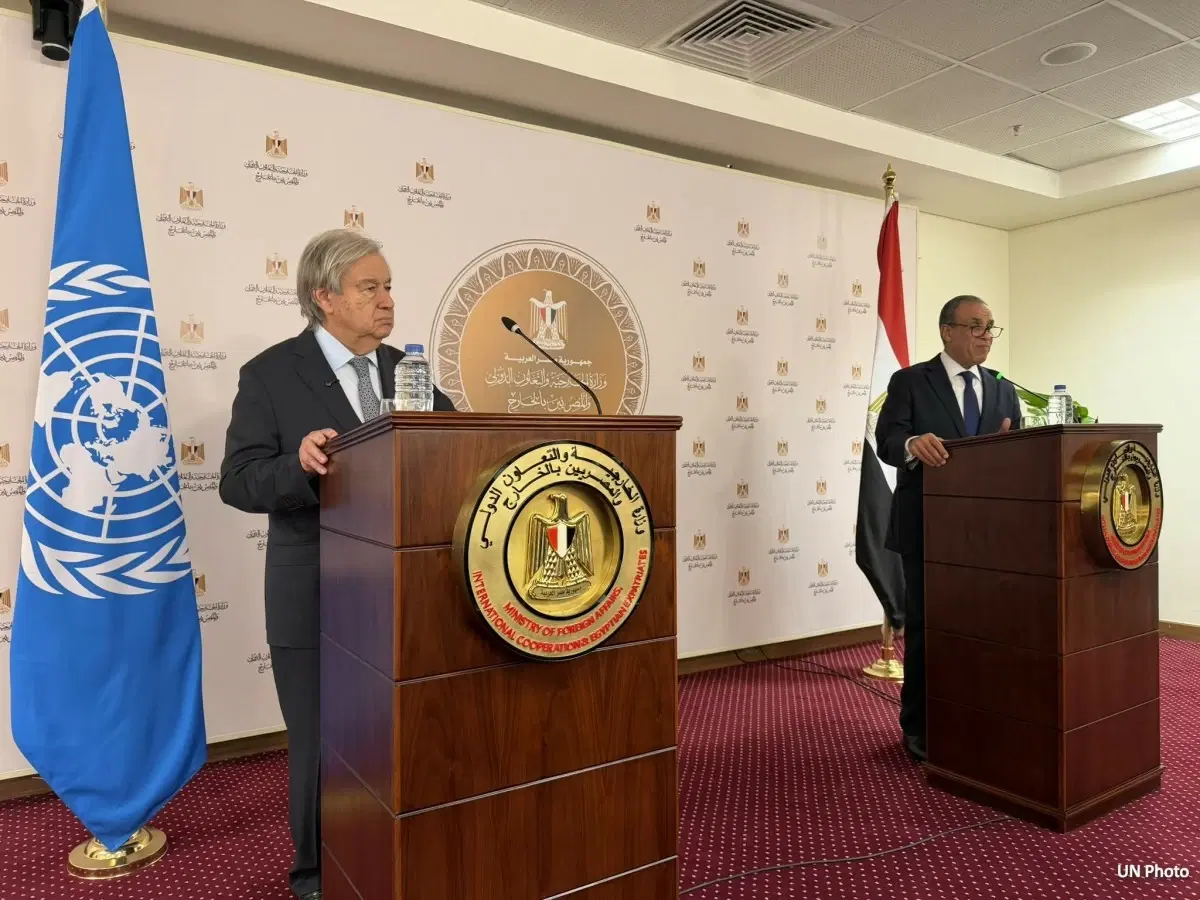
Foreign ministers from seven European and Middle Eastern countries are holding talks in Istanbul on Friday to discuss regional and international issues, including the Strait of Hormuz, Middle East crises, and the war in Ukraine.
A source in the Turkish Foreign Ministry stated that the foreign ministers of the "E3" group, which includes Britain, France, and Germany, will meet with their counterparts from the newly established "R4" ministerial quartet mechanism, which includes Turkey, Saudi Arabia, Pakistan, and Egypt, to discuss developments related to the Palestinian territories, Yemen, and the Strait of Hormuz, in addition to ways to end the Russian-Ukrainian war.
A statement issued by the office of British Foreign Secretary Ed Miliband indicated that the talks will focus primarily on "the Strait of Hormuz and the situation in Saudi Arabia."
The statement added that "despite the positive progress made by the United States and regional partners, passage through the strait remains under threat, as traffic through this waterway has seen a sharp decline compared to pre-war levels."
The statement mentioned that Miliband "will call for a diplomatic solution to the crisis that restores full navigational rights and freedoms," and will also emphasize "Iranian tactics that are being repeated across the region, as attacks on Saudi Arabia lead to further destabilization of the region and increase pressure on vital waterways and global straits, such as the Bab el-Mandeb and the Suez Canal."
It added that "the United Kingdom is intensifying its efforts to help stabilize the region, as it pledged this week to allocate Royal Air Force Typhoon jets to defend Saudi Arabia in its airspace against Houthi attacks."
Turkish Foreign Minister Hakan Fidan is hosting the first meeting of its kind between the two groups.
The talks will be chaired by Fidan, who will emphasize that "regional security requires, above all, that the countries of the region assume their responsibilities," while affirming that Turkey "prioritizes strengthening cooperation mechanisms based on regional responsibility."
He will also warn "against allowing differences to fuel one another, or against conflicts spilling over into new arenas and regional tensions turning into a wider state of instability."
Fidan is expected to call on the international community to "increase pressure on Israel in the face of the expansion of illegal settlements and the encouragement of settler terrorism."
Fidan will also reiterate Turkey's support for Saudi Arabia's security in the face of Houthi attacks and for ensuring freedom of navigation permanently in the Straits of Hormuz and Bab el-Mandeb,
- Black Sea security
Tensions in the Black Sea will be a key focus, as the Turkish minister will point to the "warnings and proposals" that his country constantly puts forward with the aim of preventing the Russian-Ukrainian war from extending to the Black Sea and putting an end to civilian casualties there.
Recently, armed attacks, often carried out by drones against commercial vessels, have multiplied as the war has extended to the Black Sea, where Turkish ships have increasingly become targets.
Last month, Turkey presented a proposal to both Russia and Ukraine to end the strikes, but it seems it did not receive a hearing, as attacks have escalated in recent weeks, especially near Romania and Bulgaria.
NATO announced on Tuesday that it would deploy additional aircraft, drones, and radar systems in the Black Sea region, calling for the strengthening of monitoring devices and the expansion of data sharing.
The "E3" group was founded more than 20 years ago with the aim of strengthening diplomatic coordination regarding the Iranian nuclear program.
As for the "R4" ministerial quartet mechanism, it was established this year and brings together Egypt with the countries that signed the "Mecca Agreement," a joint defense treaty concluded by Turkey, Saudi Arabia, and Pakistan last August.