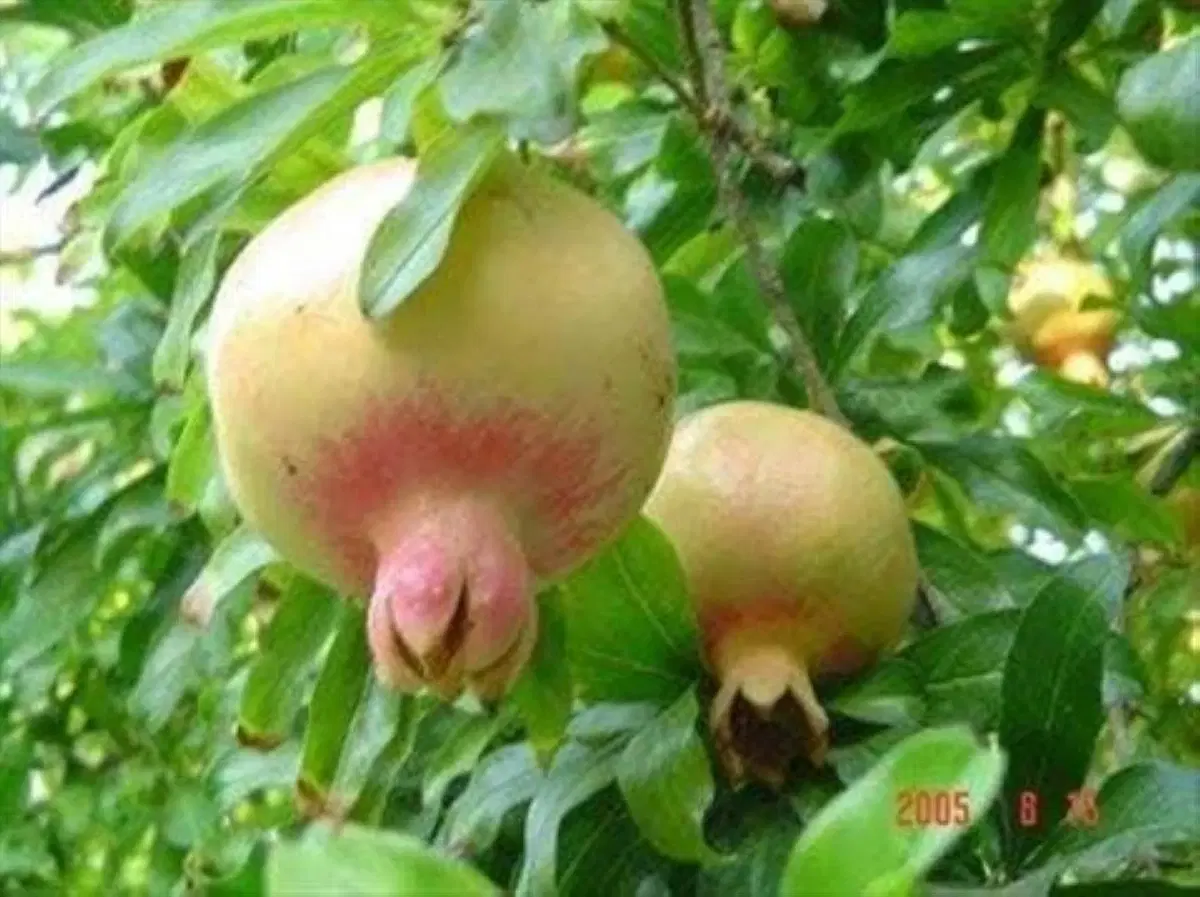
Obeidat explained that the Kura District includes many varieties and distinguished local pomegranates, most notably the 'Al-Lafani', 'Al-Sharabi', 'Al-Zqlabi', 'Al-Hamadi', 'Al-Halawi', 'Al-Mawrdi', and 'Al-Mwani' varieties, noting that this wide variety of varieties meets different market and consumer needs and gives the district's products a high competitive advantage.
For his part, the researcher in agricultural heritage, Dr. Ahmed Jiber Al-Sharrada, confirmed that the total area planted with pomegranate orchards in the Kura District is estimated at about 1200 dunams, noting that the harvest season continues and is active in various areas until mid-December of each year.
Dr. Al-Sharrada pointed out that the farmers of the Kura District possess precise skills and specializations in dealing with the pomegranate tree, starting from pruning and field care operations, up to the extraction and manufacturing of agricultural derivatives with methods that combine authenticity and high quality.
Dr. Al-Sharrada explained that the skill and accumulated experience of the district's farmers have contributed significantly to the development and exploitation of pomegranate fruits and the manufacture of various forms and types, including the production of natural pomegranate juice, high-quality natural pomegranate molasses prepared in the traditional way, pomegranate vinegar, pomegranate jam, pomegranate seed oil, natural pomegranate soap, pomegranate peel powder, pomegranate tea, in addition to pomegranate nougat (Pomegranate Nogha), which reflects the authenticity of the agricultural heritage and the economic value of the agricultural identity in the region.