ICC Prosecutor: Washington's attack on us stems from a misunderstanding of us
Amman4 min read
Share
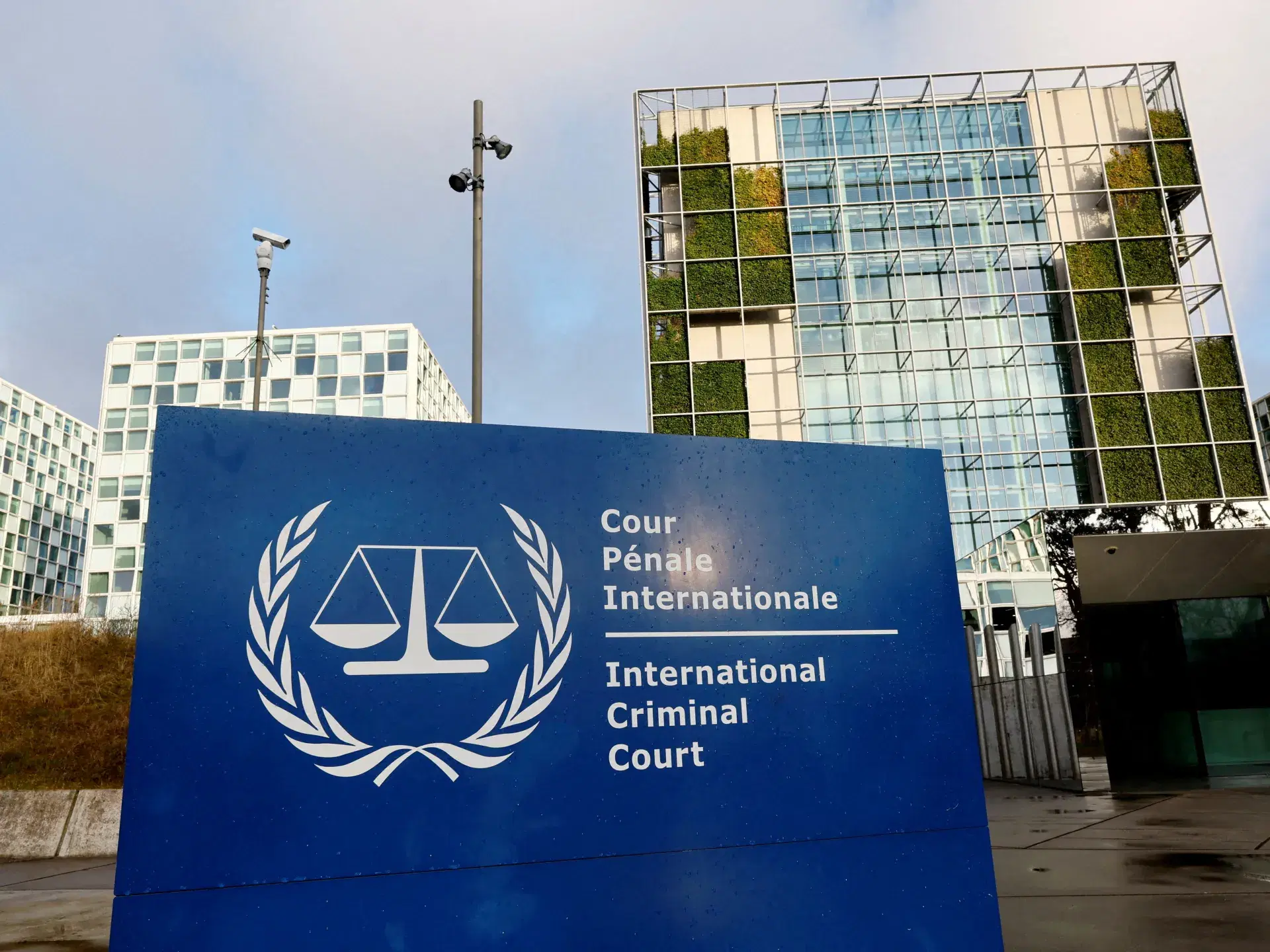
The Acting Prosecutor of the International Criminal Court (ICC) said in an interview with Agence France-Presse, his first since taking office, that the attacks launched by US President Donald Trump's administration against the court stem from a misunderstanding of its activities.
In an exclusive interview in The Hague, Mame Mandiaye Niang explained that the court is bracing for new US sanctions after Secretary of State Marco Rubio vowed to dismantle it "stone by stone" on the grounds that it threatens US sovereignty.
Washington has imposed a series of sanctions on court officials, including the current Senegalese prosecutor, following the issuance of an arrest warrant for Israeli Prime Minister Benjamin Netanyahu over the war in the Gaza Strip.
Commenting on the US measures, Niang said, "When you listen to all these statements from Rubio, some elements seem to stem from a misunderstanding."
He added, "We are not interested, nor is it our mission, to touch or infringe upon the sovereignty of states. We know we are not the world's policeman, and we are fully aware of that," criticizing Washington's accusation of corruption against the court.
He stated firmly, "This is a judgment we do not accept."
Due to US sanctions, individuals subject to them find it almost impossible to use payment systems or complete simple tasks such as booking flights or hotels. Despite this, the 65-year-old prosecutor emphasized that the most important thing is to avoid this impacting the work of the international judicial body.
He explained, "What worries us most is the very threat of imposing additional sanctions, not only on individuals, but also at the institutional level, with the resulting negative repercussions on our ability to continue working using technological means."
Anticipating this, Niang affirmed that the court is seeking "alternatives" that allow it to "maintain our independence and continue working."
- "Nothing is impossible" -
Niang is preparing to lead the most significant proceeding in the history of the ICC: the trial of former Philippine President Rodrigo Duterte, who is prosecuted for crimes committed during the "war on drugs" he launched while in power.
Niang pointed out that seeing leaders who were previously untouchable held accountable for alleged crimes represents a "very powerful" message to anyone in power who might be tempted to commit atrocities.
He added, "We all agree that no one should escape justice," noting that until recently, the former Philippine president appearing before the court was "unimaginable."
Despite the difference in current political circumstances, Niang still hopes that leaders for whom the court has issued arrest warrants, such as Netanyahu and Russian President Vladimir Putin, will stand in the dock.
He said, "Nothing is impossible."
He added, "We live in a world where what seems impossible to us today can turn into a manifest reality the next day."
Niang took over the leadership of the court's prosecution office succeeding Karim Khan, who was dismissed in July for "gross misconduct" following sexual assault allegations, which the former official denies.
Niang said, "This difficult story is behind us, and we must refocus on work," stressing that internal lessons have been drawn from the case and pledging to ensure continuity in the court's performance of its role until member states elect a new prosecutor, a process that will take months.
He stressed that following such a scandal, the time "is not an era of major revolutions... there are still wounds that need to be healed."
Between US sanctions, the withdrawal of member states, and the Khan scandal, observers believe the very existence of the ICC is at stake, a notion Niang rejects.
He considered that "the life of institutions is like human life. It is rarely a calm river." He added, "There are shocks, sometimes difficulties, and small storms... but I remain convinced that we can regain control."
He stressed, "I cannot compromise on the ideal we represent, the ideal of justice. No one can compromise on it."