Ma'an Orphans Charity Association organizes a national meeting titled "Jordan Unites Us" to counter extremist ideology
Amman5 min read
Share
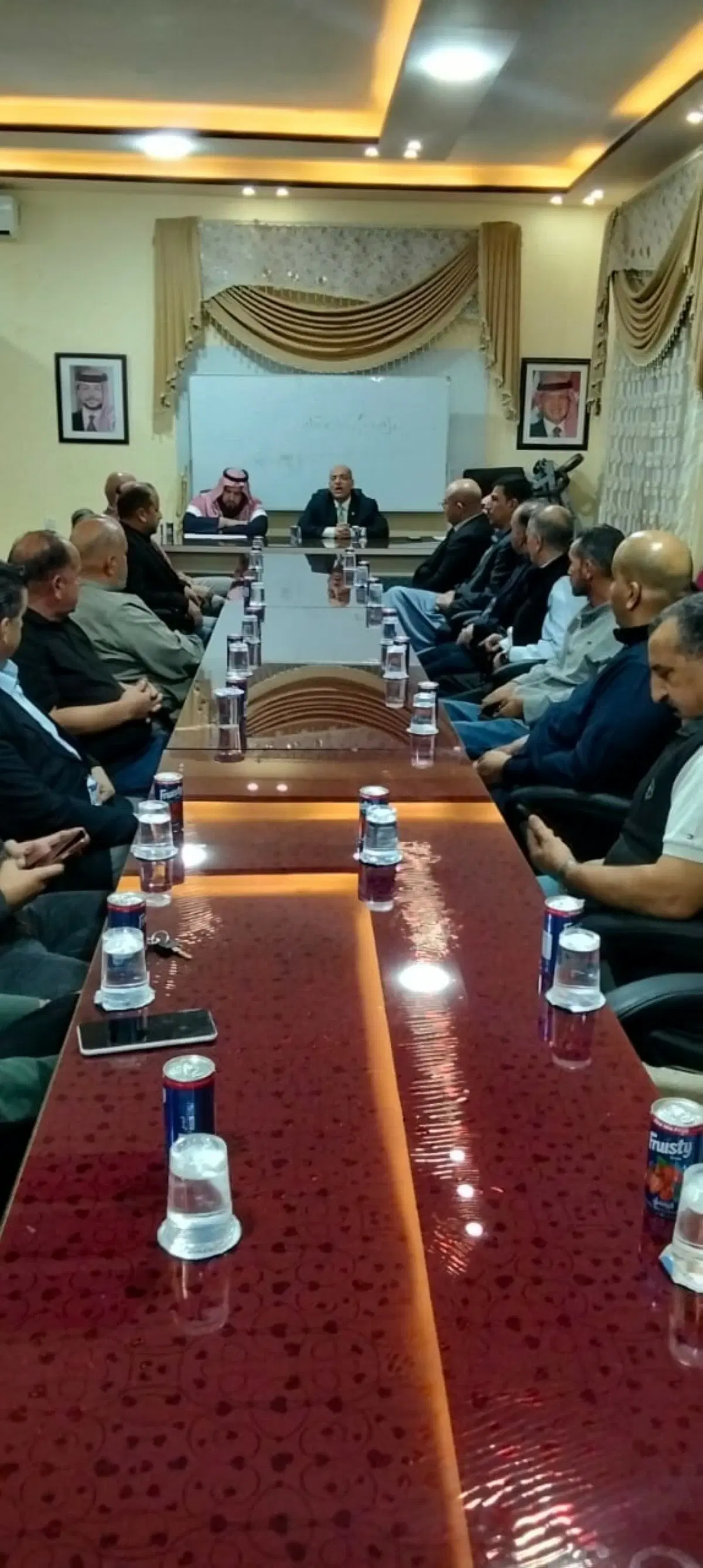
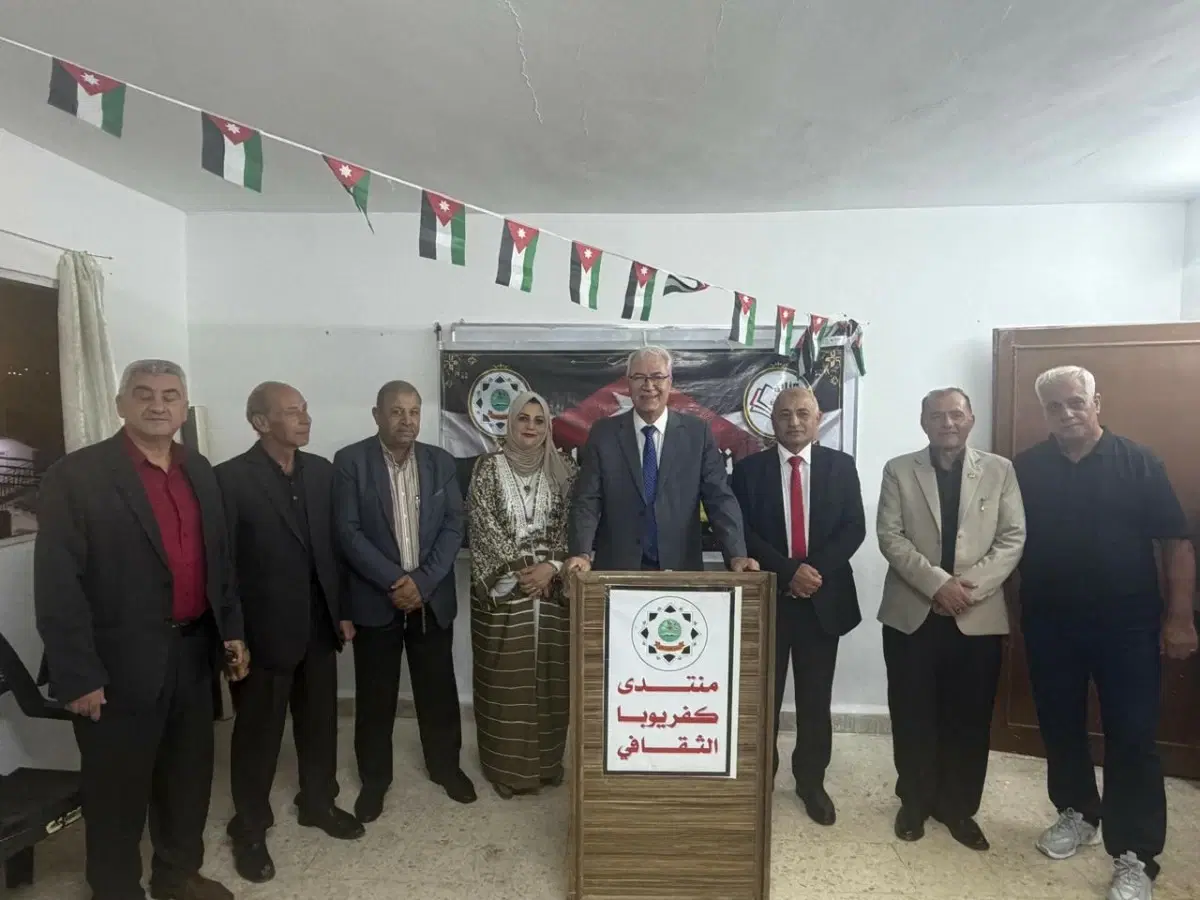
The Ma'an Orphans Charity Association organized a national meeting titled "Jordan Unites Us," with the participation of Dr. Mohammad Saleh Jarrar, Professor of International Relations at Al-Hussein Bin Talal University, and Sheikh Bilal Al-Bahri, former Director of Awqaf for Ma'an Governorate, and in the presence of a group of opinion leaders, intellectuals, and tribal sheikhs in Ma'an Governorate, as part of community efforts aimed at countering terrorist and extremist ideology, consolidating values of moderation and tolerance, and strengthening national unity.
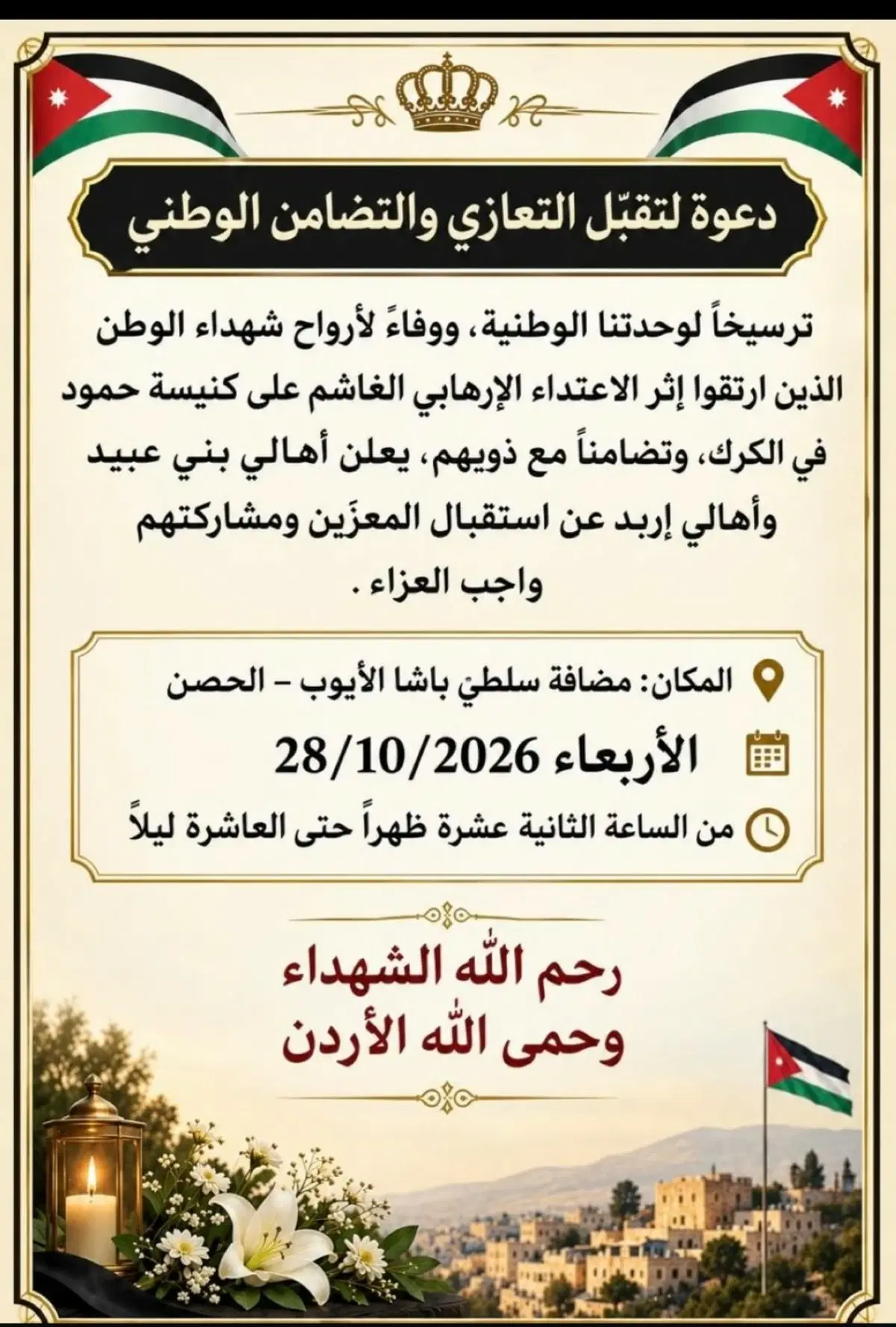
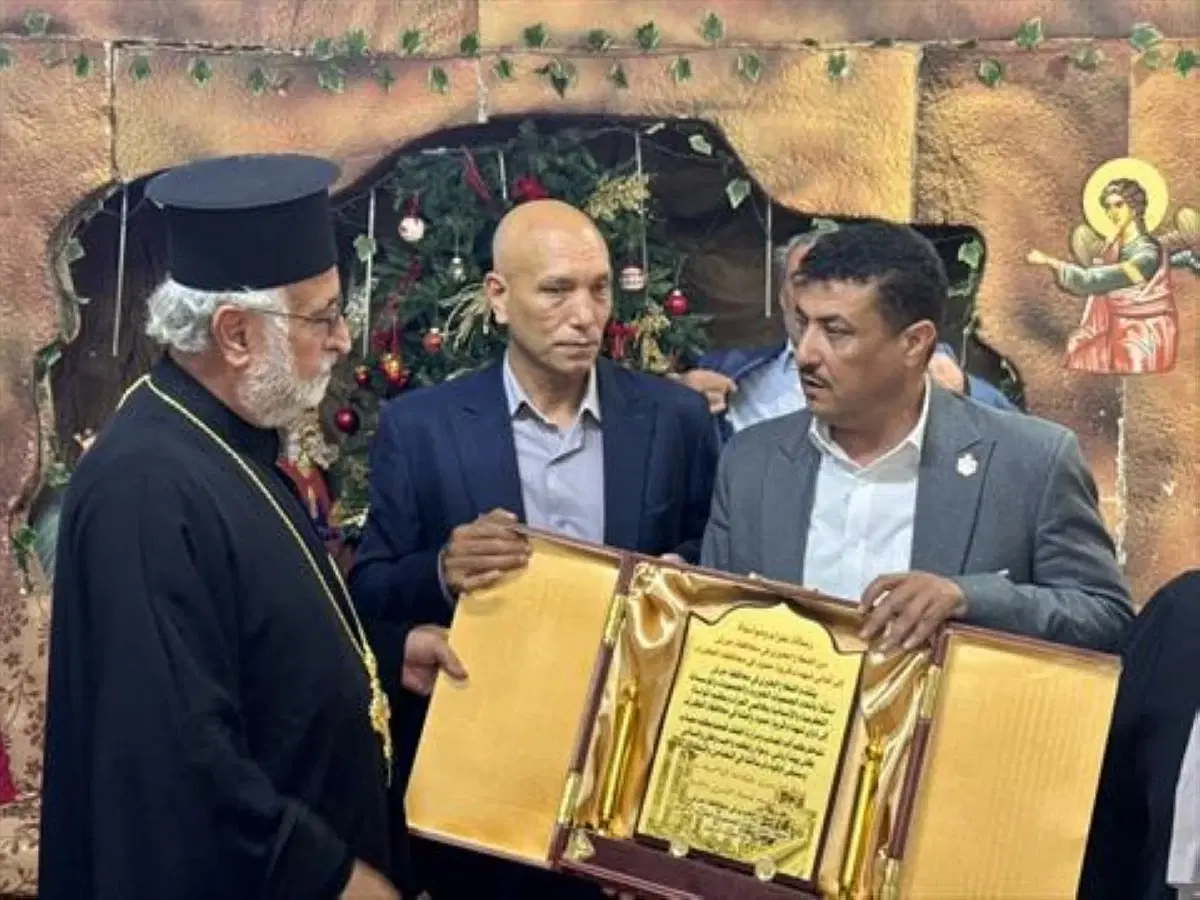
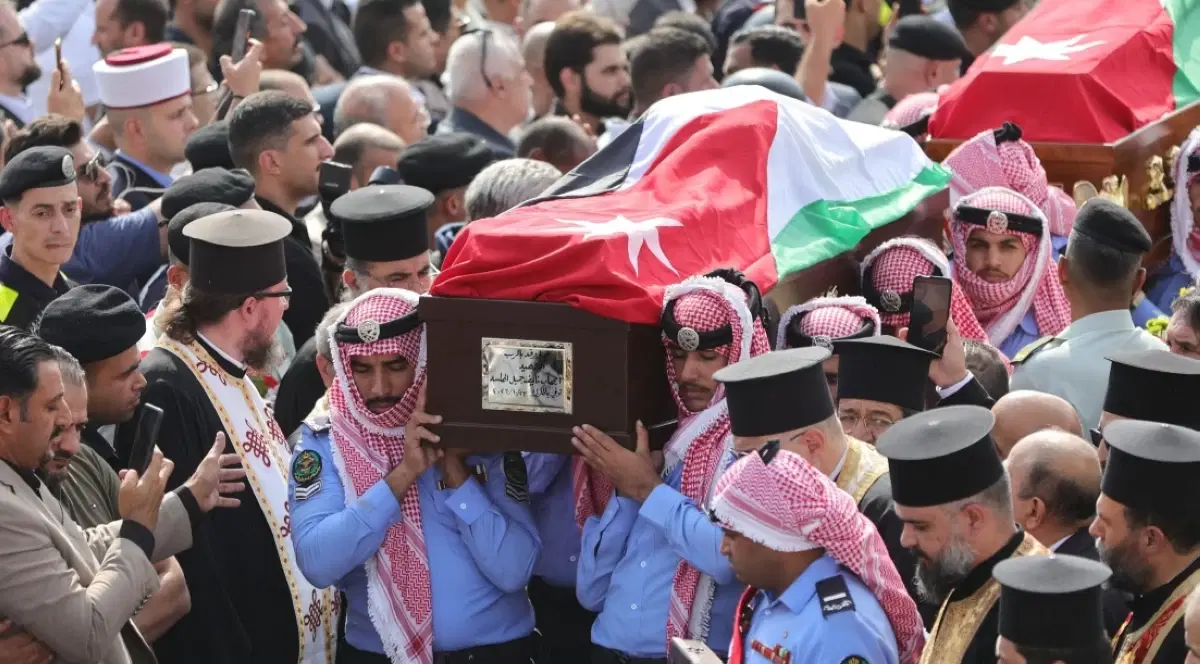
The meeting came in light of the terrorist crime that targeted the Greek Orthodox Church in the town of Hammoud in Karak Governorate on Friday, October 23, 2026, affirming the importance of unifying national and community efforts to confront extremist ideology and preserve the Jordanian social fabric among members of the same society.
Dr. Mohammad Saleh Jarrar spoke about the intellectual, social, and national dimensions of extremism and terrorism, emphasizing the importance of consolidating the concept of inclusive citizenship, strengthening national belonging based on equality in rights and duties, and respecting religious and cultural diversity, which constitutes one of the elements of the strength and cohesion of Jordanian society.
Jarrar pointed out that countering extremism is not limited to security measures, but also requires sustainable intellectual, educational, and cultural work based on spreading awareness, developing critical thinking, and enhancing the role of educational, religious, media, and civil society institutions in immunizing individuals, especially children and youth, against extremist ideas and discourses of hatred and incitement. He stressed that maintaining Jordan's security and stability is a shared national responsibility that requires strengthening dialogue and solidarity and confronting any discourse that seeks to sow division and discord among the people of the nation.
For his part, Sheikh Bilal Al-Bahri emphasized the importance of the role played by religious institutions in spreading a discourse of moderation and centrism, and correcting the misconceptions that exploit religion to justify violence and extremism, stressing that tolerant religious teachings are based on respecting human beings and preserving their dignity, and reject attacking others and terrorizing the safe.
Al-Bahri explained that the responsibility of scholars, preachers, and orators requires intensifying awareness efforts, providing a responsible religious discourse that promotes values of mercy, tolerance, and acceptance of the other, and contributes to protecting society from extremism and fanaticism. He also emphasized the importance of integration between religious, educational, family, and community institutions in building the awareness of youth, promoting a culture of dialogue and understanding, and consolidating the values of human fraternity and coexistence.
The meeting witnessed the opening of the floor for dialogue and discussion among the attendees, who emphasized the importance of standing as one in the face of terrorism and extremism, and rejecting all forms of violence, incitement, and hatred, stressing that attacking places of worship and threatening the security of citizens constitutes an assault on shared human and national values, and on the right of everyone to practice their religious rites in safety and dignity.
The participants also stressed the pivotal role of Jordanian tribes, opinion leaders, intellectuals, and civil society institutions in promoting societal peace, spreading a culture of moderation, and addressing the causes of extremism through dialogue, awareness, and social solidarity, affirming that the unity and cohesion of Jordanians constitute a fundamental pillar in protecting the homeland and preserving its stability.
The meeting concluded with a number of recommendations, most notably intensifying awareness programs aimed at children and youth, strengthening cooperation between official, civil, and civil society institutions, and activating the role of mosques and educational and media institutions in spreading a discourse of moderation and countering hate speech, in addition to organizing ongoing national meetings and community dialogues to promote good citizenship and national belonging, and paying attention to groups most vulnerable to intellectual exploitation, primarily orphans, children, and youth.
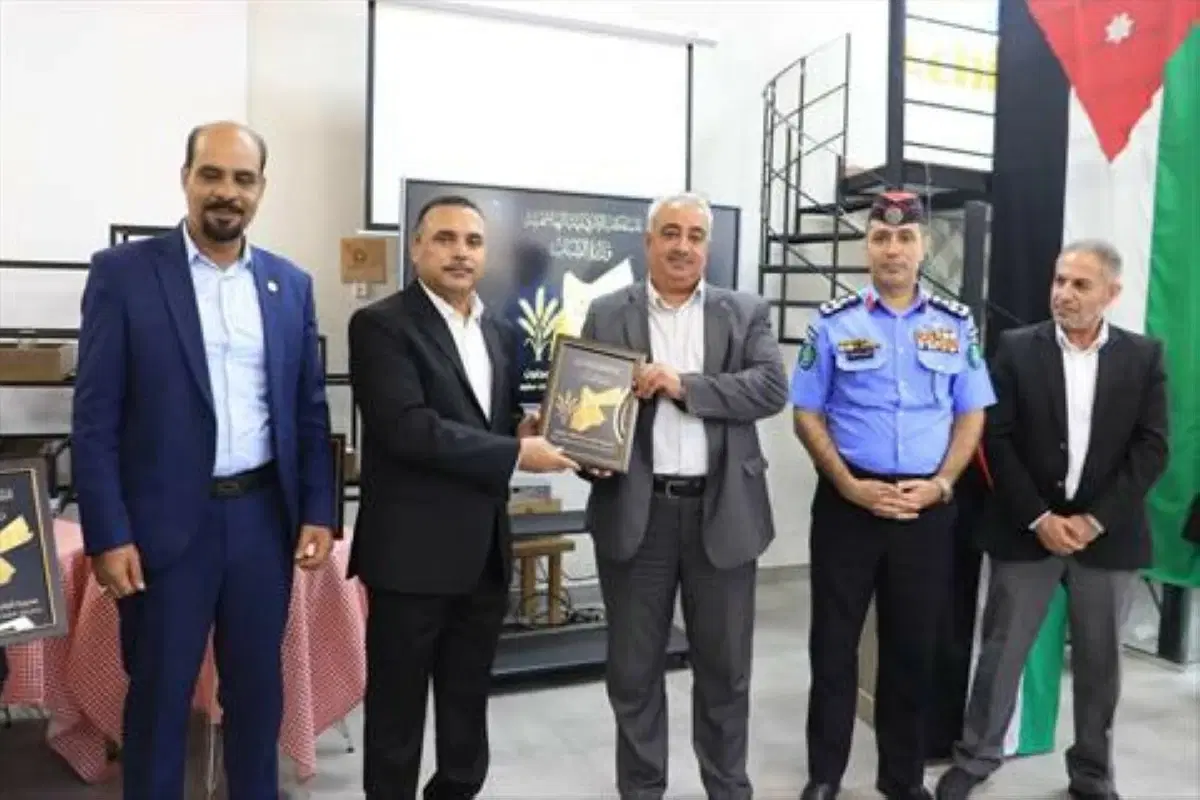
At the conclusion of the meeting, the attendees signed the "Ma'an Orphans Charity Association and Community Activists' Covenant to Resist Terrorist Ideology and Extremism," which included a declaration of rejection of terrorist ideology and extremism in all their forms, and a commitment to spreading the values of moderation, tolerance, and dialogue, and strengthening national belonging and good citizenship.
The signatories also pledged to cooperate with the relevant official and civil authorities in implementing preventive and awareness programs, and to contribute to monitoring indicators of extremism and dealing with them responsibly and in accordance with the provisions of the law, in a manner that preserves the dignity and privacy of individuals, affirming their commitment to working to protect orphans, children, and youth from extremist ideas, consolidating community awareness, combating hate speech, and promoting a culture of peaceful coexistence, solidarity, and cooperation among members of society.
The Ma'an Orphans Charity Association affirmed, through this meeting and the national covenant, the importance of continuing community initiatives that bring together the various components of Jordanian society on the values of citizenship, tolerance, and mutual respect, and contribute to protecting the rising generations from extremist ideology and strengthening Jordan's security, stability, and national unity.