He added that youth represent a priority in intellectual prevention programs, which calls for expanding their participation in public life and volunteer work, developing their critical thinking skills, empowering them to distinguish between facts and rumors, and countering attempts at intellectual polarization and misinformation across digital platforms and social media.
Al-Batayneh pointed out the importance of addressing the social and intellectual factors that extremist groups might exploit—including exclusion, isolation, and weak community participation—through promoting justice and equal opportunities, supporting family and community dialogue, and activating the role of schools, universities, religious authorities, and cultural institutions in spreading moderate thought and protecting the social fabric.
He emphasized that civil society institutions are capable of playing a pivotal role in preventing extremism through studies, awareness programs, youth initiatives, and building sustainable partnerships with official institutions. Meanwhile, think tanks and national dialogue forums bear the responsibility of translating discussions into policy papers and practical recommendations that contribute to developing national programs and measuring their impact.
Al-Batayneh stressed that translating Royal directives related to national security and domestic front cohesion requires moving from sporadic initiatives to sustainable national programs with clear objectives and responsibilities, based on coordination and integration among various relevant entities.
He concluded by affirming that national resilience is not achieved through security readiness alone, but is also built upon citizen awareness, trust in state institutions, a sense of belonging and responsibility, and society's ability to counter extremist ideology through dialogue, knowledge, moderation, and the rule of law, thereby preserving Jordan's security and stability and reinforcing the cohesion of its domestic front.
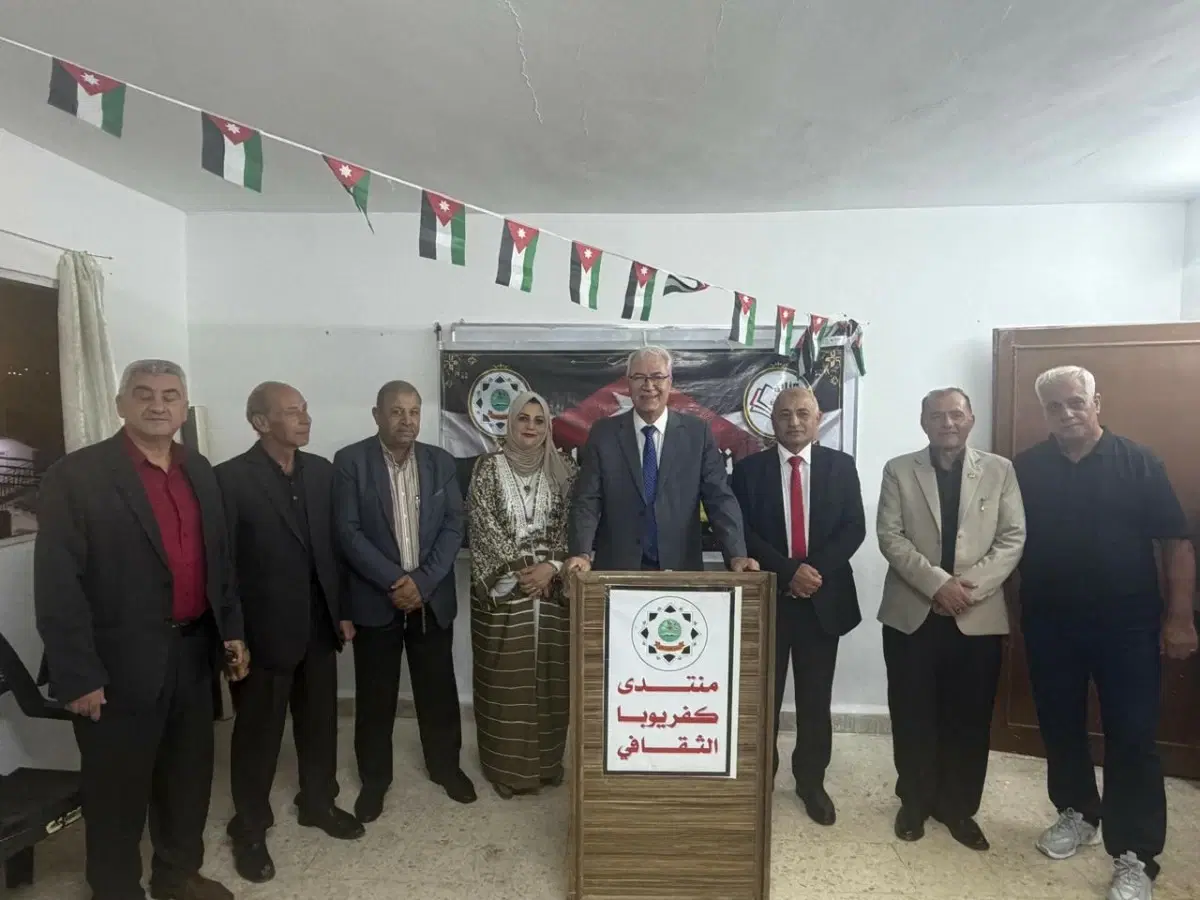
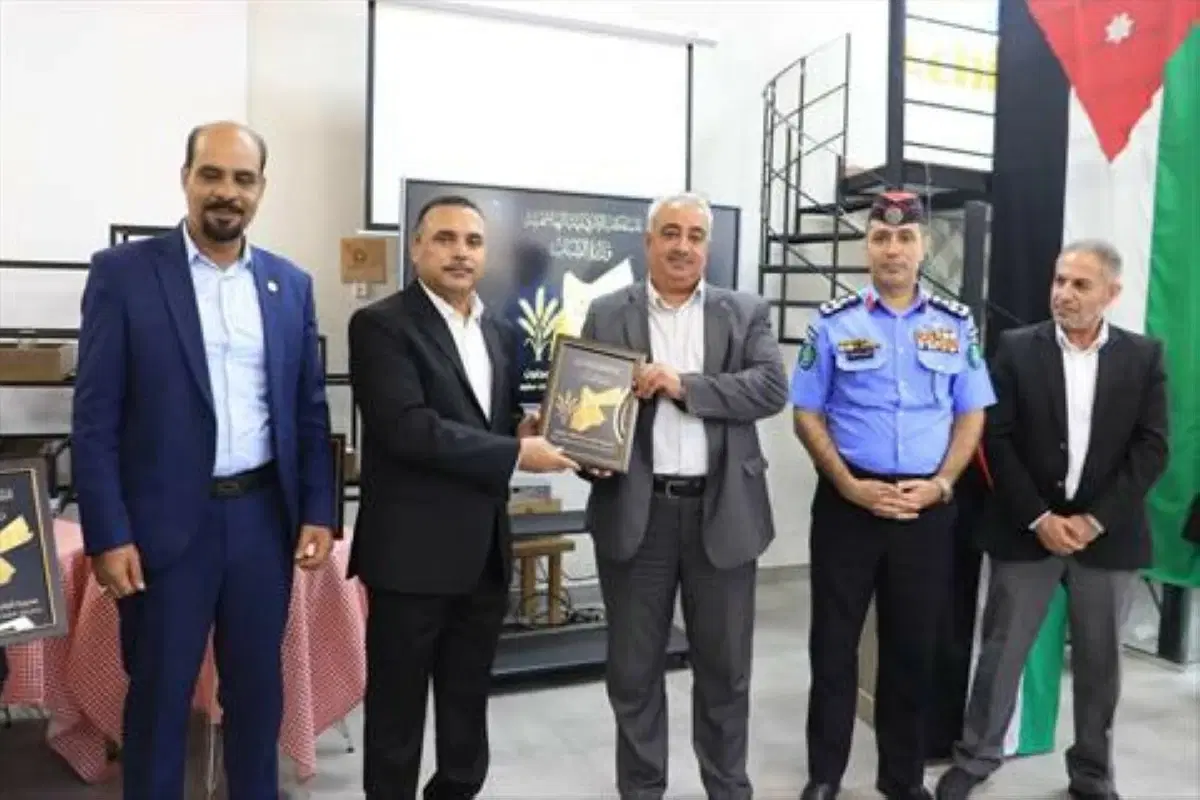
For his part, Samir Al-Radaideh, Head of the Kufr Yuba Cultural Forum, said that hosting Al-Batayneh comes within the framework of the forum's commitment to enhancing national dialogue and opening the door for the exchange of views and expertise on issues affecting the nation's security and stability. He emphasized the importance of the role of cultural and societal institutions in spreading awareness, entrenching the values of moderation and centrism, immunizing youth against extremist ideas, and strengthening national belonging. He stressed that protecting society from Takfiri ideology and extremism is a shared responsibility that requires the concerted efforts of official and civic institutions and all components of society.
For his part, Hamza Al-Rawashdeh, Head of the Shams Al-Farah Association, emphasized the importance of strengthening partnership among civil society institutions in spreading a culture of tolerance, love, and solidarity. He pointed out that intellectual and social awareness, attention to youth and families, and empowering women to play their role in building societal awareness constitute essential pillars in preventing extremism and violence and enhancing social cohesion. He added that building a conscious and cohesive society requires entrenching the values of dialogue and acceptance of others, and enhancing societal responsibility, thereby contributing to protecting the homeland and safeguarding its security and stability.