Hijazi: Shared tourism assets of Arab countries offer broad opportunities to develop integrated tourism products
Amman3 min read
Share
Minister of Tourism and Antiquities Dr. Makram Hijazi stated that Arab countries possess shared historical, civilizational, and natural assets, alongside a convergence in language, customs, and traditions, which provides broad opportunities to develop integrated tourism products that leverage the diversity of Arab destinations and meet the interests of visitors.
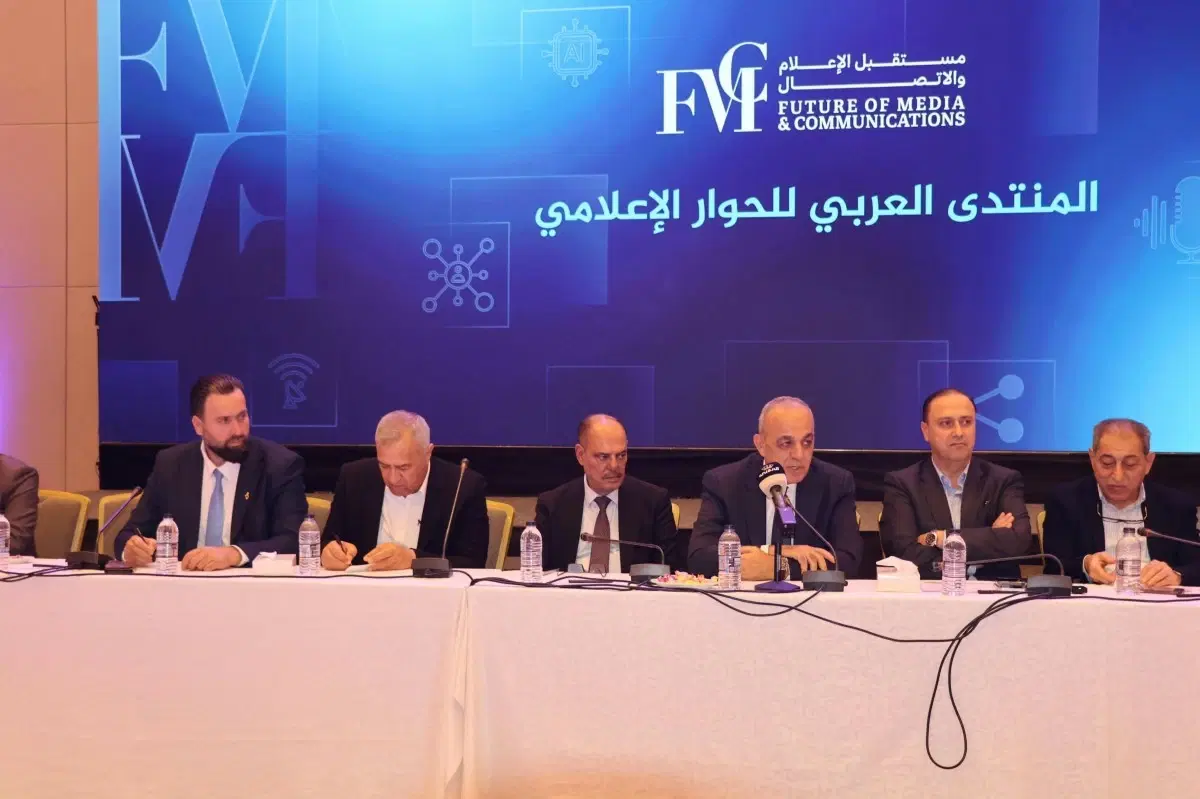
During his participation in the Arab Media Dialogue Forum, within a discussion session addressing the role of media in supporting the Arab tourism system, Hijazi emphasized that tourism represents an important tool for economic development due to its ability to utilize natural, heritage, and cultural resources in various regions. He pointed out that strengthening intra-Arab tourism contributes to reducing seasonality, diversifying tourism markets, and enhancing the sector's ability to face regional crises and challenges.
According to a ministry statement on Friday, he noted the importance of enhancing Arab tourism cooperation and activating joint programs between Arab countries, which contributes to stimulating intra-tourism, expanding travel movement between Arab destinations, enhancing tourism integration, and reducing the impact of regional and seasonal crises on the sector.
Hijazi highlighted the necessity of moving from individual efforts to developing joint Arab tourism programs and routes, enhancing connectivity between countries, and facilitating travel and entry procedures. This would allow visitors to explore more than one Arab destination within integrated programs, contribute to extending the length of stay, stimulate tourism activity, and support job and investment opportunities in the sector.
Regarding the role of media, Hijazi explained that the media is a key partner in tourism promotion and highlighting Arab tourism assets and products. He emphasized the importance of strengthening cooperation between media institutions in Arab countries, exchanging visits between journalists, and developing the capabilities of media professionals specializing in tourism affairs.
Hijazi pointed out that Jordan is working to highlight its position on the Christian religious tourism map, within the framework of the initiative related to celebrating the two-thousandth anniversary of the baptism of Jesus Christ at the Baptism Site (Al-Maghtas). He noted the importance of utilizing this occasion to introduce Jordan's religious and humanitarian message and to strengthen its position as a land of dialogue, tolerance, security, and safety.
Hijazi highlighted Jordan's efforts in developing Islamic and Christian religious tourism products and strengthening the Kingdom's presence on the religious tourism map by developing religious heritage routes and sites and training specialists to introduce them. He emphasized the importance of developing joint tourism programs that link Jordan with Palestine, Syria, Egypt, and Lebanon, which opens broader horizons for Arab tourism cooperation and integration.
Hijazi stressed the importance of benefiting from successful Arab experiences in tourism marketing and building on the diversity of events and tourism products in Arab countries. He noted that strengthening the partnership between tourism and media contributes to building sustainable cooperative relations, expanding travel movement between Arab countries, supporting economic development, and enhancing joint tourism integration.