Health Experts: King's Speech a Guiding Message for All Institutions
Amman4 min read
Share
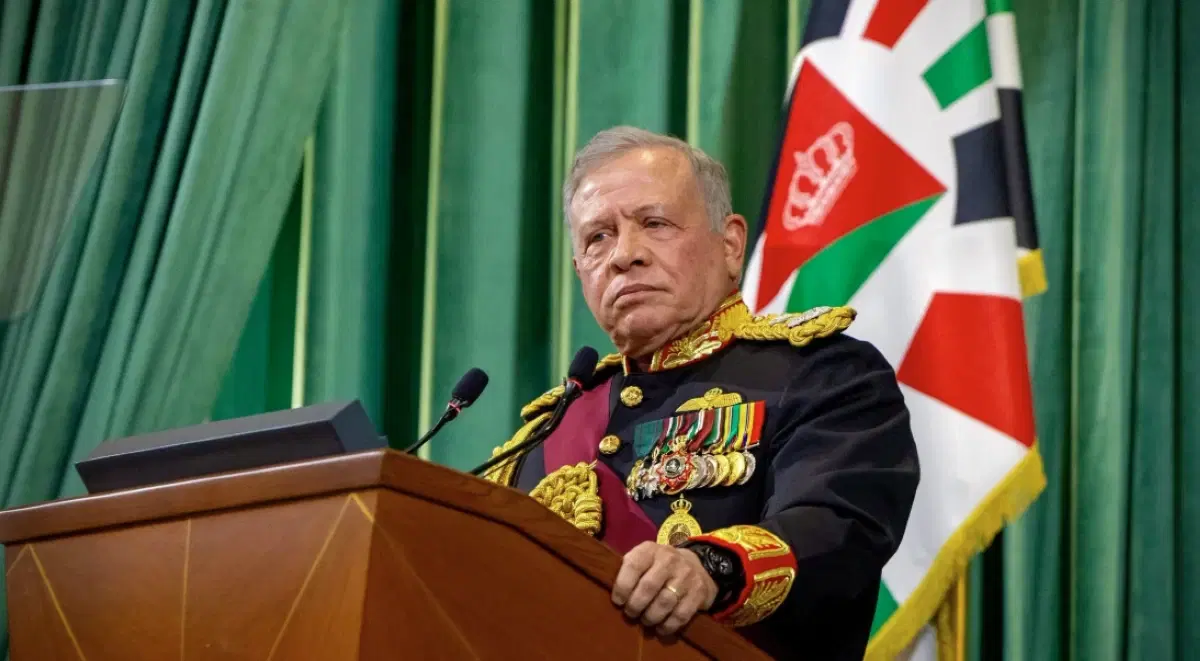
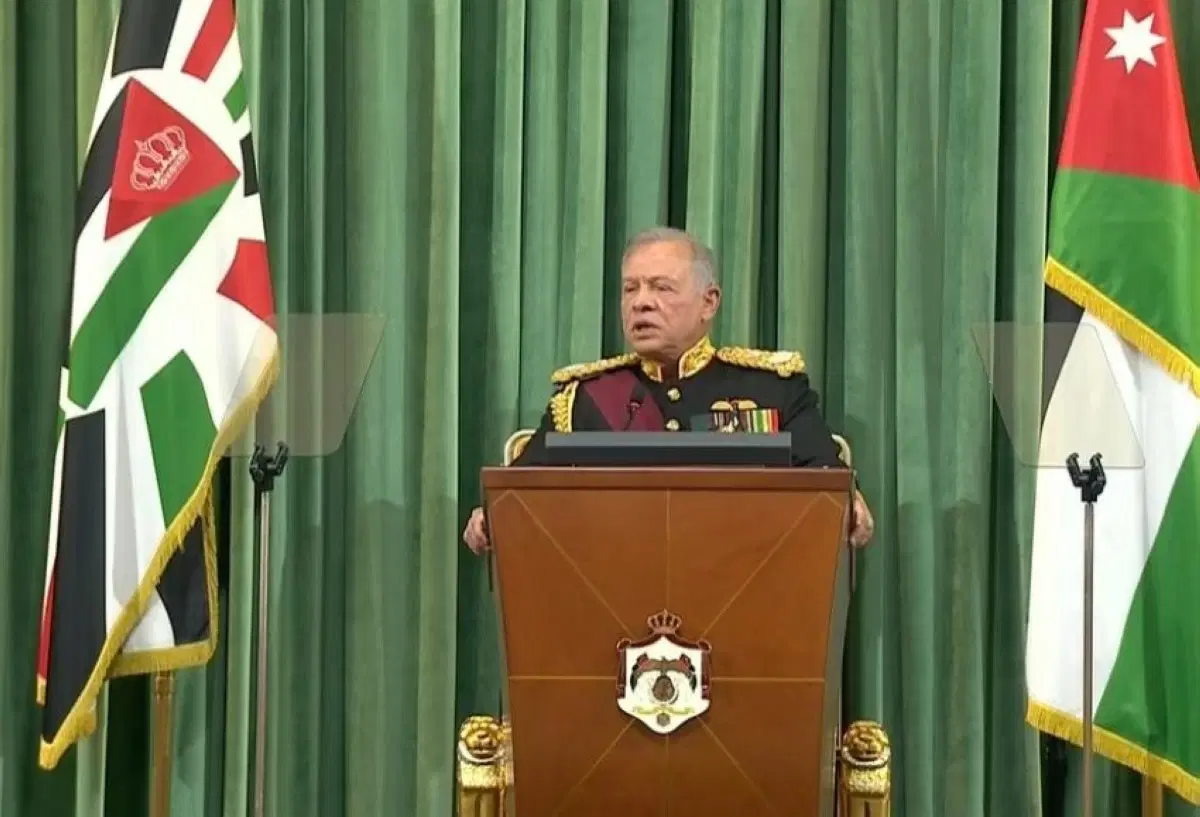
Health experts and officials affirmed that the Royal Address delivered by His Majesty King Abdullah II at the opening of the third ordinary session of the twentieth Parliament represents a comprehensive roadmap and a guiding message for all state institutions.
Speaking to the Jordan News Agency (Petra) on Monday, the experts stressed that Jordan's strength and resilience are embodied in the cohesion of its institutions, the firmness of its stance against terrorism, and its commitment to placing citizens' interests and their health and livelihood security at the heart of national decisions and policies.
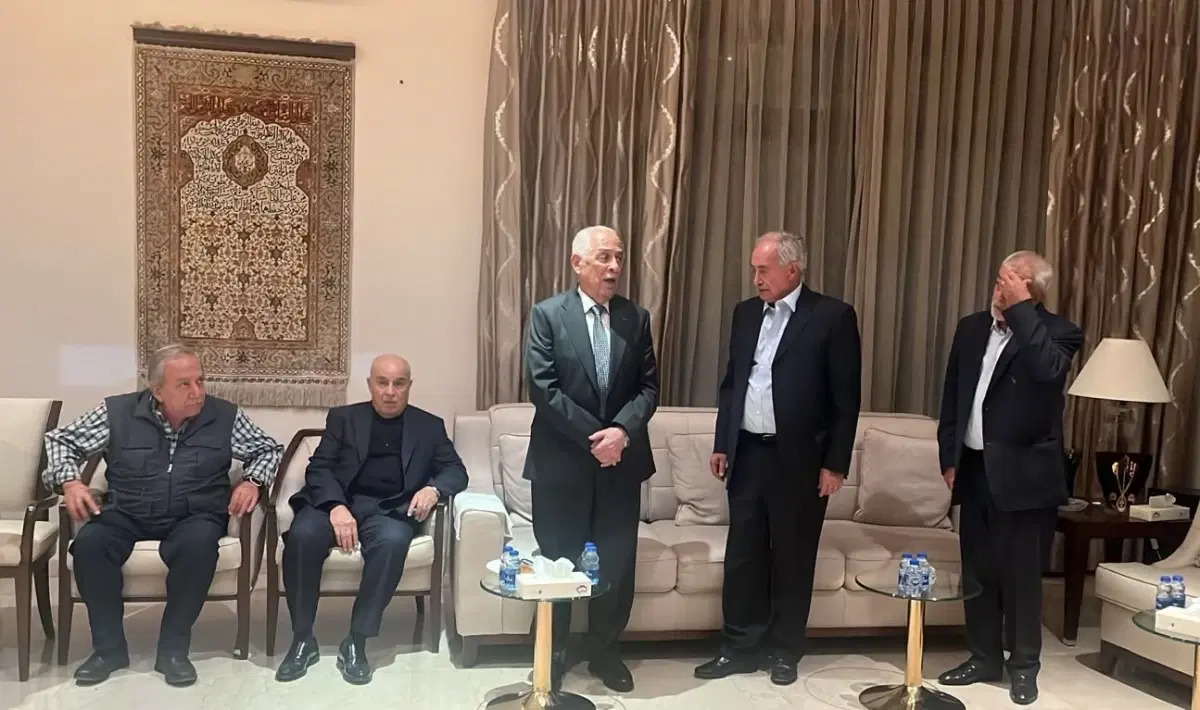
Dr. Fawzi Al-Hamouri, President of the Private Hospitals Association, said the contents of the Throne Speech reaffirm Jordanians' unity and the failure of all attempts targeting the nation's security and stability, noting that His Majesty’s emphasis on placing Jordanians’ interests at the core of government decisions positively impacts vital developmental sectors, particularly health and education, alongside the implementation of strategic projects for water security.
He explained that the strength of healthcare institutions in both the public and private sectors constitutes a main pillar of the Kingdom’s strength, proven by their high-level efficiency in managing crises and critical phases—starting with hosting large numbers of refugees, emerging from the coronavirus pandemic with greater cohesion, and Jordan’s ability to accommodate large numbers of Arab patients seeking treatment in its hospitals, which stands as solid evidence of the country’s security, stability, and the strength of its healthcare system.
He emphasized the importance of the King’s continuous support for the integrated healthcare sector, providing high-quality health services to citizens, and enhancing the pharmaceutical industry, stressing the necessity of moving forward with economic reform and modernization plans through mechanisms that directly benefit citizens by creating job opportunities and reducing unemployment.
For his part, Secretary-General of the Jordan Nursing Council, Dr. Hani Al-Nawafleh, affirmed that the speech conveyed clear messages confirming that Jordan is a state with solid institutions, strong leadership under the Hashemite monarchy, a robust Arab Army, and security apparatus, and is impregnable due to the unity of its people. He stressed that Jordan’s national security, sovereignty, and stability are historical constants that cannot be compromised or tested.
He noted that the state’s wisdom and moderate positions do not imply leniency in protecting its security, and anyone betting on terrorism or undermining Jordan’s stability underestimates the strength of the state and the firmness of its stance.
He added that confronting extremism is a national responsibility, requiring the combined vigilance of security institutions and the roles of families, educational, religious, and media institutions in building awareness and safeguarding future generations. He affirmed that Jordan’s strength lies in the cohesion of its institutions and its ability to protect its security and preserve the values of coexistence that terrorism attempted to target in Karak.
He pointed out that the Royal Address constitutes a working message for all institutions to translate its contents into practices that enhance national resilience, noting that the Council, under the presidency of Her Royal Highness Princess Muna Al-Hussein, embodies this national responsibility by training nursing and midwifery personnel, reinforcing professional and humanitarian values, and enhancing public awareness—believing that protecting people, preserving their dignity, and strengthening their health security are integral parts of the national security system.
For his part, Dr. Musa Al-Ajlouni, Senior Advisor for Health Systems and retired Major General, stated that following the speech, confidence has been renewed that Jordan’s strength lies in its wise leadership, military and security capabilities, the robustness of its national institutions, internal cohesion, and its ability to confront challenges and threats regardless of their source.
He noted that Jordan, which has always stood against terrorism and all attempts to undermine its security and stability, relies on solid institutions, national leadership, human expertise, and a people who understand that national security is everyone’s responsibility, calling for viewing the healthcare sector as one of the direct pillars of national security.
He emphasized that possessing a healthcare system capable of protecting citizens' health, confronting epidemics and emergencies, supplying medicines and medical supplies, and ensuring service continuity represents an essential component of national resilience and sovereignty. He affirmed that strong institutions and a capable national pharmaceutical industry are fundamental to pharmaceutical security and strategic independence, stating that a strong Jordan is one protected by strong, integrated, efficient institutions capable of enduring and continuing under all circumstances.