Greenland and Denmark: Security Agreement with the United States Does Not Involve Sovereignty Concession
Agencies2 min read
Share
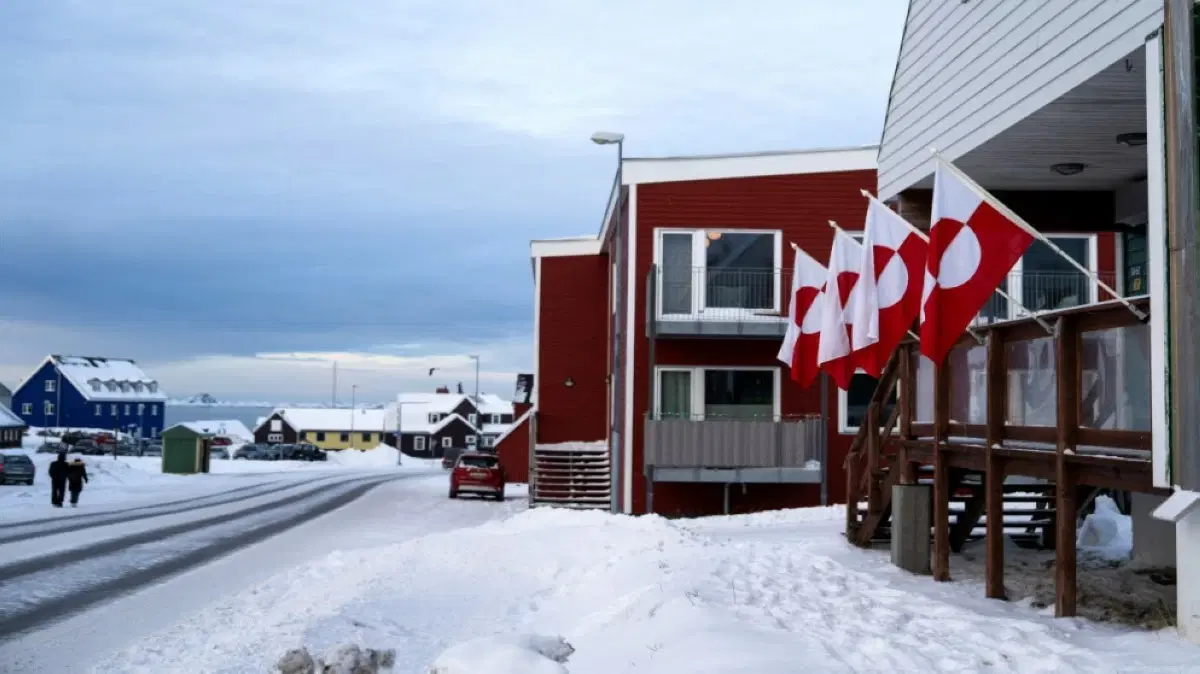
Denmark and Greenland said on Saturday that any agreement with the United States will not affect Greenland's sovereignty, after US President Donald Trump said the agreement would give Washington "permanent control" over the security of the Arctic island, leaving its exact scope unclear.
The United States, Denmark, and Greenland said late on Friday that they had reached an agreement allowing the United States to develop a major military presence in Greenland, while prohibiting the establishment of military bases for Washington's adversaries on the island.
Key details of the agreement, including the size of the US military presence in the self-governing Danish territory and whether any formal foreign policy or resource powers would be transferred to Washington, were not disclosed.
Denmark and Greenland expressed hope that the agreement, expected to be signed during the UN General Assembly meetings next week, would end months of uncertainty sparked by Trump's threats to take control of Greenland.
Danish Foreign Minister Lars Lokke Rasmussen said in a statement posted on Facebook on Saturday, "Next week may be a good week for Greenland, Denmark, and the United States."
He explained, "We hope that the period of ambiguity will give way to a binding agreement that enhances security in the Arctic and North Atlantic, and thus our common security within NATO and Europe, while respecting the red lines of the Kingdom of Denmark."
Trump said on the "Truth Social" platform late on Friday that under the agreement, "The United States will forever have the full ability to do whatever is necessary in Greenland to ensure and defend the security of Greenland, the United States."
He added that the agreement "gives the United States permanent control over security, and all other needs in Greenland," explaining that it would not allow any hostile party to establish a base or military presence in Greenland or carry out sensitive investments there without explicit written consent from Washington.