He added that it is expected that the prices of olive oil will decrease compared to last year, explaining that the prices are determined according to the interaction of the quantities of supply with demand, in addition to the quality and classification of the oil.
Amro pointed out that the Kingdom's needs for olive oil amount to about 27,000 tons, while the production of last season was about 16.8 thousand tons, which led to a gap ranging between 9,000 and 11,000 tons, and prompted the Ministry of Agriculture to allow imports to cover the needs of the local market.
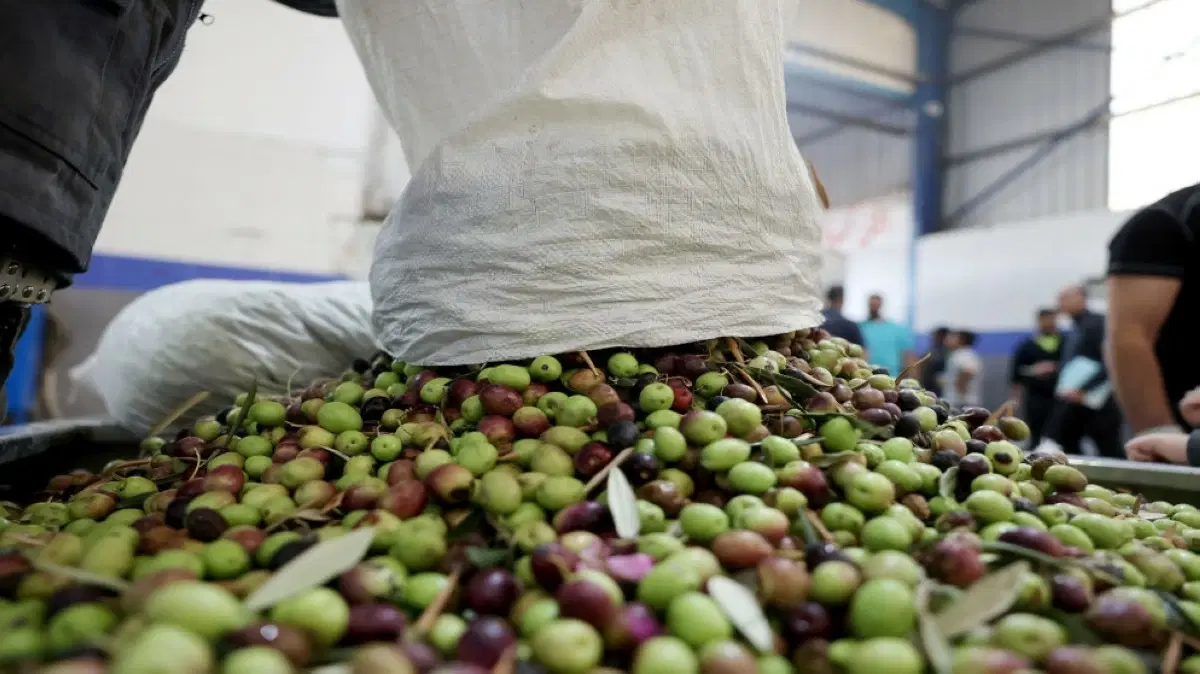
He explained that the picking of olives intended for capers and pickling starts from the end of September until mid-October, while the appropriate period for picking fruits intended for pressing and olive oil production extends from mid-October until the end of November.
He expected that the prices of the current season will be less than 100 dinars, considering that the fair price is the one that is affordable to the citizen, and at the same time covers the costs of the farmers and achieves a profitable return for them, explaining that the Ministry of Agriculture does not set the prices of olive oil.
Regarding imports, Amro said that last season was exceptional, due to the significant decrease in rainfall rates, drawing attention to the fact that the Kingdom relies primarily on its local production to meet its needs, and that imports came to cover the gap in last season.