Abdel Ghaffar explained that the planned and cumulative investments for the project amount to 3.7 billion Egyptian pounds by the end of 2026, rising to 5.7 billion pounds by the end of 2027, and reaching 12 billion pounds by 2030.
He pointed out that the project relies on an investment model that brings together the Egyptian state, a foreign partner from the American side, and Egyptian private sector investors, which enhances opportunities for cooperation in medical industries, technology transfer, and production localization.
Within the framework of expansion plans, Egypt aims to export vaccines to more than 60 countries by 2030. The list of targeted products includes Hepatitis B, Influenza, Measles, Rubella, and Polio vaccines, in addition to combination vaccines, Malaria vaccines, and Cholera vaccines.
The Assistant Minister of Health noted that the selection of the foreign partner is based on its decades of experience in human and veterinary medical industries, as well as its activity in the vaccine industry within Egypt for more than 16 years, the spread of its operations in more than 90 countries, its global investments reaching $2 billion, and the allocation of 2.5% of its revenues to research and development.
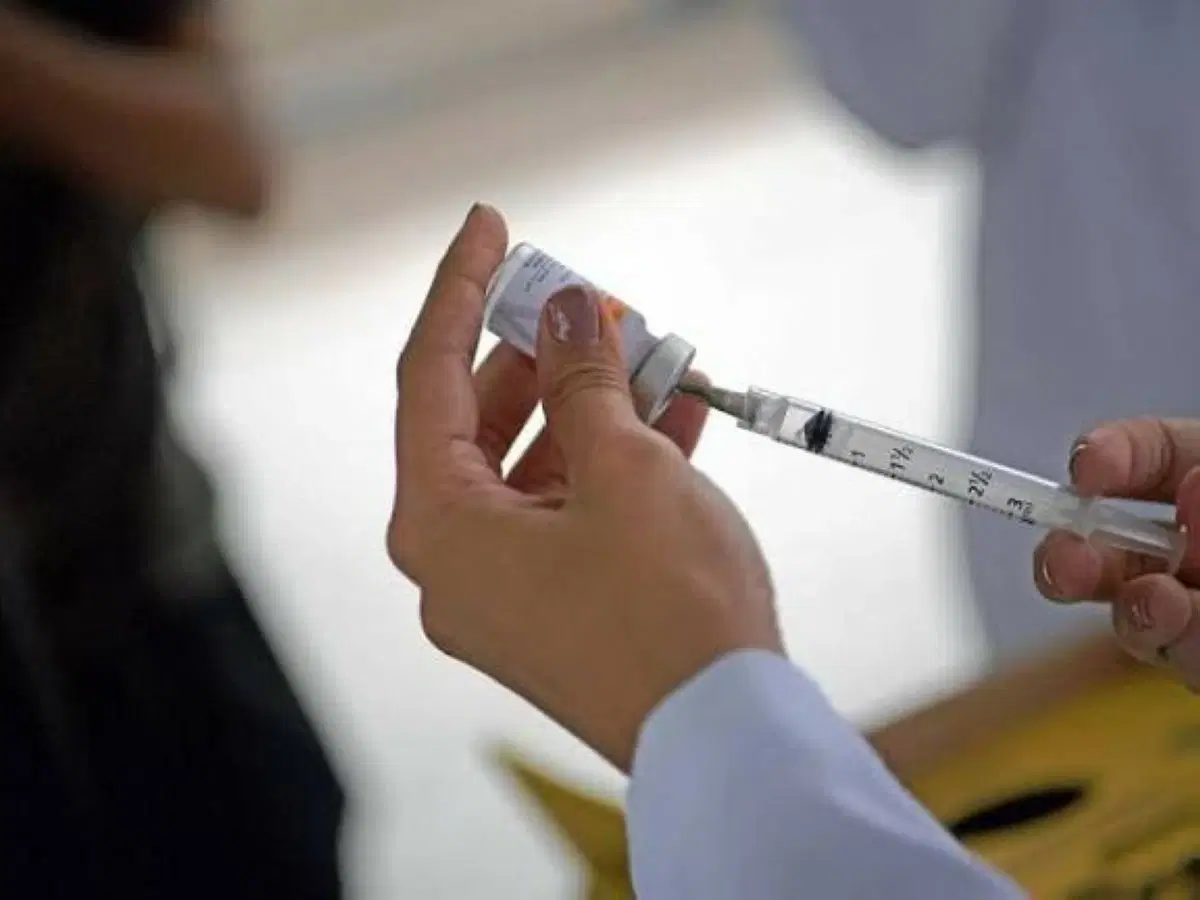
In the same context, Egyptian Minister of Health, Khaled Abdel Ghaffar, witnessed the launch of executive steps to transfer the manufacturing technology for the Pneumococcal vaccine, in preparation for its local production for the first time in Egypt, in partnership between the Vaccines and Biotechnology City and a Chinese company.
The Minister also witnessed the signing of an agreement to begin the technology transfer process, which aims to export the vaccine to 19 countries in Africa and the Middle East, a step that reinforces the city's ambitions to become a regional hub for vaccine production and distribution.
The Vaccines and Biotechnology City is located in Ismailia Governorate, east of Cairo, and spans an area of 115,000 square meters. It includes 32 buildings and facilities designed to form an integrated system based on production, innovation, quality, human resource development, and environmental sustainability.
The city includes six factories, three of which are dedicated to human vaccines and three to veterinary vaccines, with operations starting with two factories during the first phase, in addition to a central filling and packaging building.
The innovation and quality hub also includes quality assurance and control laboratories, biocontainment facilities, research and development labs, and houses dedicated to experimental animals, supporting development processes and verifying product safety and quality.
The human vaccine factory and central packaging complex represent one of the main components of the project, with a production area of 6,000 square meters, designed to accommodate five integrated production lines, the first phase of which begins with three lines.
According to Abdel Ghaffar, the targeted production capacity for human vaccines is 140 million doses annually, in accordance with the Golden License decision.
Two lines are scheduled to be allocated for the production of the Pneumococcal vaccine and the Rabies vaccine, while the third line will be allocated for pre-filled syringes, allowing for the production of ready-to-inject vaccines.
The Assistant Minister of Health confirmed that the production lines include technologies aimed at enhancing quality and safety standards, noting that future plans until 2030 include adding capabilities for producing oral and nasal vaccines.
In the veterinary vaccine sector, the city aims to reach a total production capacity of 5.5 billion doses annually to meet the needs of sectors including poultry, horses, fish, and domestic animals.
Abdel Ghaffar explained that this sector is linked to the "One Health" concept, which is based on the interconnectedness of human, animal, and environmental health, and emphasizes the importance of preventing zoonotic diseases that can be transmitted from animals to humans, such as rabies and avian influenza.
He added that vaccinating poultry and livestock contributes to protecting public health and enhancing food security by reducing the spread of diseases and supporting the stability of animal production, which reflects on consumers and small breeders.
The goals of the Vaccines and Biotechnology City are not limited to meeting the needs of the local market but extend to supporting health security in Africa and the Middle East by enhancing the availability of essential vaccines and reducing the risks of supply shortages.
The city seeks to contribute to achieving the African Union's goal of producing 60% of the continent's vaccine needs locally by 2040, supporting trends toward localizing pharmaceutical industries and reducing reliance on foreign markets.
According to a statement issued by the city, the project aims to provide vaccines to Egypt and countries in Africa and the Middle East at affordable prices, based on expanding production capacities, transferring technology, and strengthening investment partnerships.
Thus, Egypt is betting on the Vaccines and Biotechnology City to be a pillar in developing vital industries, enhancing production self-sufficiency, and opening new markets for locally manufactured vaccines, supporting its position in regional pharmaceutical supply chains.