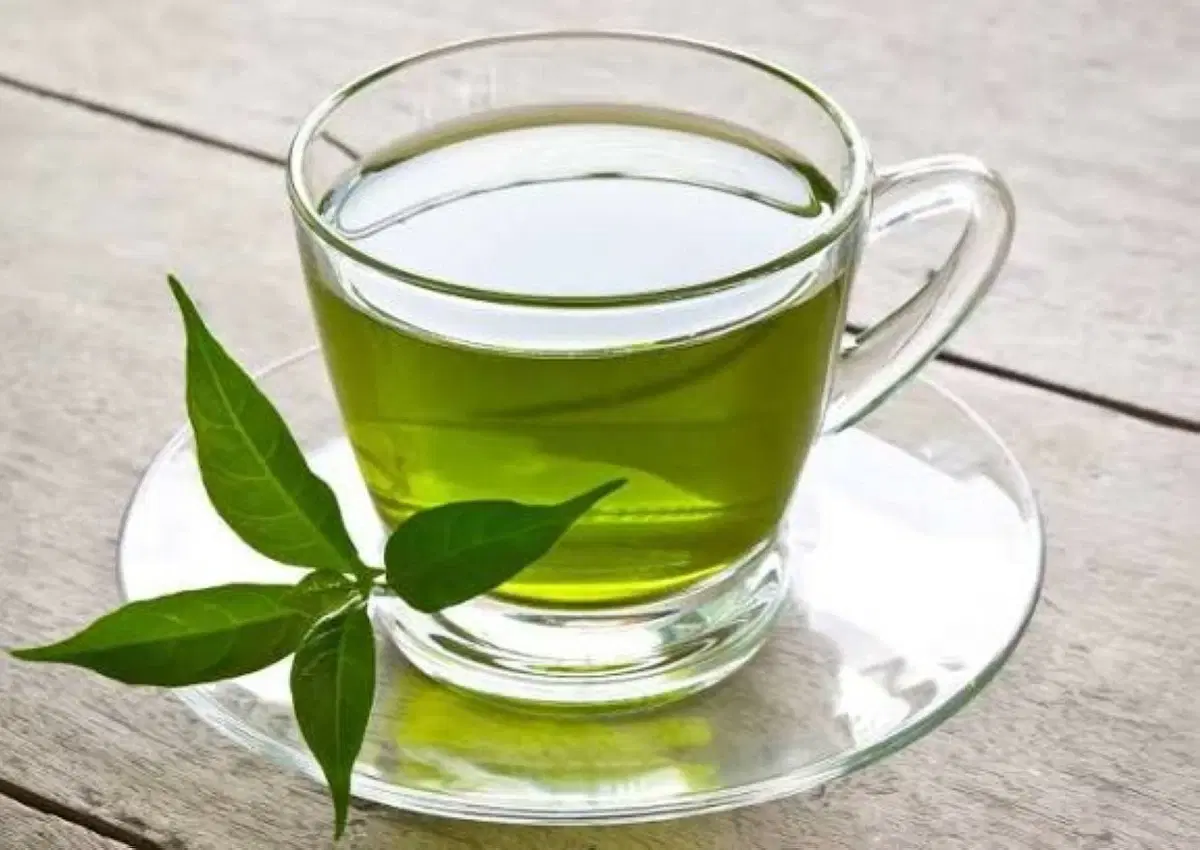
Common drinks for stomach comfort.. What is their effect on constipation?
Amman4 min read
Share
You might turn to peppermint to relieve abdominal discomfort, or ginger to reduce nausea, and expect the same drink to help you get rid of constipation. However, soothing the stomach and improving bowel movements are not the same thing, and scientific evidence on the benefits of these drinks varies from one type to another.
Some drinks may relieve specific digestive symptoms, while others help soften stool or stimulate colon movement in some people. However, consuming drinks in the morning does not mean they are more effective, and they should not be relied upon alone if constipation persists.
The U.S. National Institute of Diabetes and Digestive and Kidney Diseases recommends consuming an adequate amount of fiber and fluids to help soften stool and facilitate its passage.
Fluids are particularly important when increasing fiber in the diet, but drinking extra water does not necessarily treat all cases of constipation. It is best to maintain proper hydration throughout the day, while taking into account any restrictions set by a doctor, especially for those with heart or kidney disease.
Some studies indicate that ginger may help relieve certain types of nausea, but these results do not prove that ginger tea treats constipation or improves colon movement.
Furthermore, the results of studies that used specific preparations or doses cannot be generalized to a homemade cup where the amount of ginger and the method of preparation vary. Therefore, feeling relief after consuming it does not necessarily mean that constipation has improved.
Studies are investigating the benefits of peppermint oil for some digestive symptoms, but the evidence regarding peppermint leaf tea is less clear. There is not enough evidence to consider it a proven treatment for constipation.
It is also important to distinguish between peppermint tea and its oil, as the preparations are not identical in their composition or effects. Peppermint may increase symptoms of heartburn and reflux in some people, rather than relieving discomfort.
Coffee may help stimulate colon movement and the urge to defecate in some people, but its effect varies from person to person, and it is not considered a guaranteed treatment for constipation.
It may also cause acidity or stomach discomfort for some. Therefore, increasing its consumption is not recommended just because no noticeable effect is observed, especially if it causes annoying symptoms.
Prune juice contains sorbitol, a sugar alcohol that helps draw water into the intestines, which may contribute to softening stool and facilitating defecation.
A randomized study published in 2022 showed encouraging results regarding the use of prunes in relieving some symptoms of constipation and improving stool consistency. However, excessive consumption may lead to gas or diarrhea, and its sugar content should be considered, especially for those with diabetes.
There is no evidence to prove that drinking prune juice on an empty stomach or in the morning is a condition for benefiting from it.
Kefir is a fermented milk drink that contains live microorganisms in some of its products, but the evidence for its effectiveness in relieving constipation remains limited, and it cannot be assumed that all types offer the same benefit.
As for smoothies made from whole fruit, they may help increase fiber intake if they retain the pulp and are not strained. Oats or an appropriate amount of seeds can be added, while increasing fiber gradually to reduce gas and bloating.
If constipation persists despite improving diet, drinking fluids, and physical activity, it is best to see a doctor to determine the cause and appropriate treatment, rather than relying on drink experiments alone.
If it is accompanied by blood in the stool, persistent abdominal pain, vomiting, or the inability to pass gas, urgent medical evaluation should be sought, especially when these symptoms occur together or intensify.
Conclusion: Some drinks may help relieve certain symptoms or improve defecation in some people, but the evidence is not equal. Consuming fiber, proper hydration, and addressing the underlying cause of constipation remain more important than relying on any specific drink.