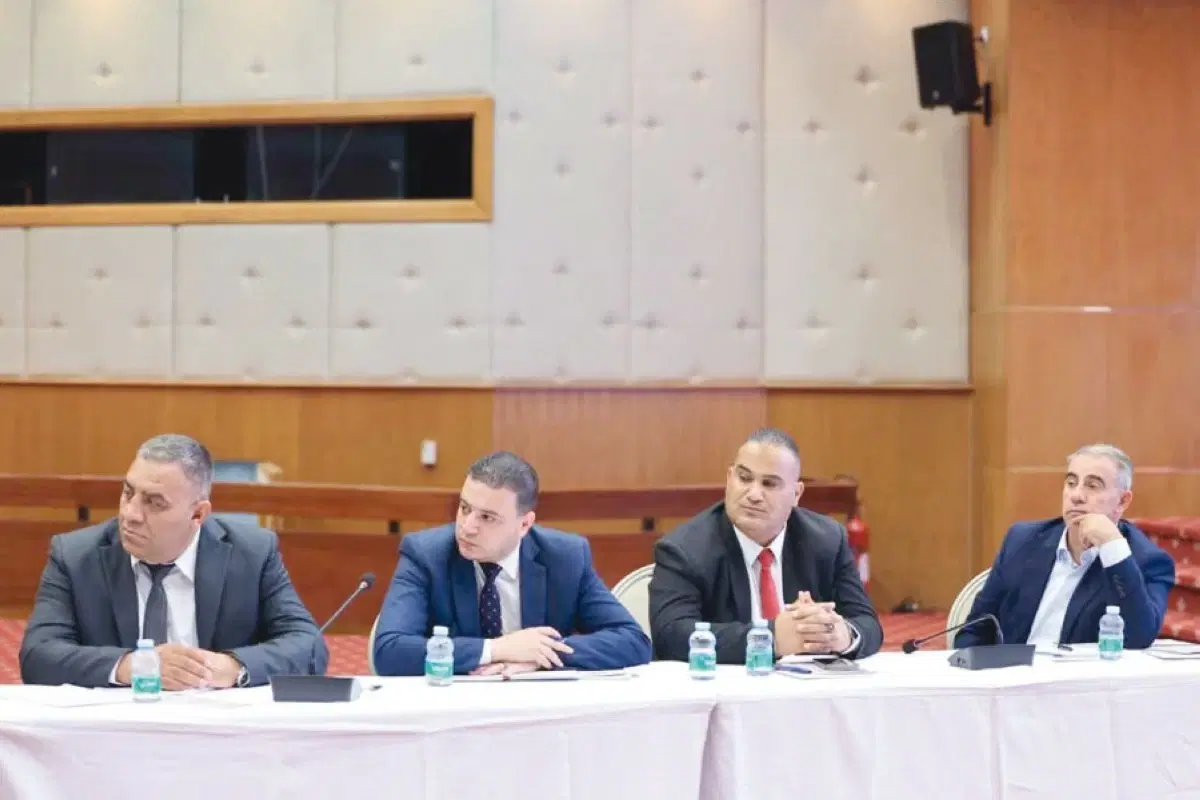
Al-Qadoumi addressed the psychological and educational effects of family conflict and separation, and their impact on children and the family, adding that "family conflict and separation deeply affect the psychological and educational structure of children, and this impact extends to reshape the family's dynamics as a whole.
She said that the damages are not limited to the period of conflict only, but may turn into psychological scars that accompany the child until adulthood if not dealt with wisely.
Al-Qadoumi summarized the most important psychological and educational effects, explaining that children, especially the younger ones, tend to believe that they are the cause of their parents' disputes or separation, which generates a sense of guilt in them, in addition to anxiety and depression disorders, as the child lives in an environment that lacks security, which raises the levels of stress hormone in the child, and this appears in the form of crying spells, fear of the unknown, or a tendency to isolation.
For his part, Abeidat highlighted the legal aspect of family conflict and separation, and what results from them in terms of rights and duties, focusing on the interest of the family and children.
Abeidat confirmed that the law and Islamic Sharia place the interest of the child above all considerations, and custody and care decisions are based on what achieves stability and security for the child, and custody is granted to the party best able to provide security and care for the child, and in the event of proven neglect or violence from one of the parents, the judge has the right to withdraw custody from him to protect the child.
He added that the father is legally and legally obligated to provide for his children and provide them with housing, food, and a decent livelihood, regardless of conflict or separation, noting that the legislation has been keen to protect children from any psychological or physical harm resulting from family problems, with the intervention of the competent authorities in the event of any abuse.
He pointed out that the legislation has set strict standards to ensure a safe and healthy educational environment for children, as the continuity of eligibility is linked to the actual ability to provide proper care and education, and the cases in which the right to custody is removed from the person in charge of custody after divorce are determined, leading to its transfer to the next entitled party according to legal and Sharia rules.
He explained that Jordanian legislation grants the father the right to demand the custody of his children in specific cases, which essentially aim to protect the interest of the children and ensure their social stability, according to the Personal Status Law, and the legal and Sharia circumstances that entitle the father to assume custody after divorce, instead of the mother or grandmother, in a number of cases specified by the law.