Professional Tools for Training and Capacity Building Organizes a Symposium on the Challenges of Work and Social Protection for the Jordanian Family
Mafraq6 min read
Share
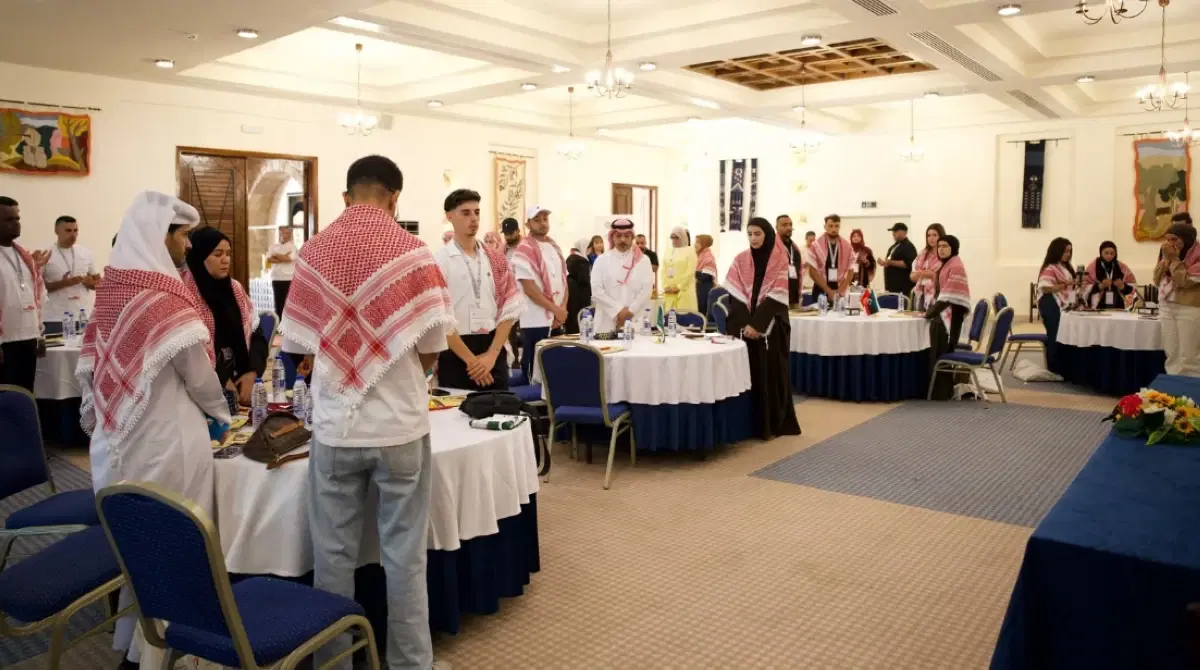
Professional Tools for Training and Capacity Building, in cooperation with the Kenouz Al-Khair Charitable Association, and under the patronage of the Chairperson of the Parliamentary Committee on Women's Affairs and Family Issues, Deputy Faliha Al-Khudair, organized a dialogue symposium titled 'The Jordanian Family Between Work Challenges and Social Protection: A Reading of Reality and the Role of Legislation and Media', in Mafraq Governorate, with the participation of representatives from official, community, media, party, and professional sectors.
At the beginning of the symposium, the General Manager of Professional Tools for Training and Capacity Building, Dr. Maisoun Talailan, welcomed the attendees, affirming that the choice of the symposium's title was due to the direct connection of its themes to the life and stability of the Jordanian family, and related issues of work, income, security, social protection, and the ability to meet life's requirements.
Talailan explained that the meeting aims to read reality by listening to concerned institutions, getting to know the programs and services they provide, and discussing the challenges and gaps that need to be addressed, by researching the reality of work in Mafraq Governorate, social protection, vocational training programs, and the services of the Ministry of Labor, alongside the role of media and legislation in supporting the family, protecting rights, and enhancing employment opportunities.
Deputy Faliha Al-Khudair addressed issues related to legislation, social protection, and women's work, and the role of the Parliamentary Committee on Women's Affairs and Family Issues in following up on related issues, listening to the needs of local communities, and monitoring files that require legislative and supervisory follow-up.
In the social security sector, Dr. Wasfi Al-Reehan Al-Srihan, Director of the Social Security Directorate in Mafraq Governorate, presented the reality of women's inclusion in social security, noting that women constitute about 27 percent of active subscribers in the governorate, compared to 73 percent for men.
Al-Srihan explained that women's inclusion is more concentrated in the public sector, especially in the education and health sectors, while challenges in the private sector and informal work stand out, including insurance evasion in some establishments, early withdrawal from the labor market, and the expansion of work in home and agricultural projects.
He also reviewed a number of insurance rights and benefits provided by the Social Security Law for working women, pointing to efforts and programs aimed at expanding women's inclusion in social security, enhancing awareness of insurance rights and benefits, and reducing the gap in subscription rates.
For her part, Dr. Khatam Al-Khazaaleh, a delegate from the Labor Directorate in Mafraq Governorate, reviewed a number of services and programs provided by the Ministry of Labor in the fields of employment and rehabilitation, and discussed the efforts made to direct job seekers to available programs and services.
She pointed to the importance of coordination between entities concerned with the labor market and social protection, including labor and social security directorates, to facilitate access of citizens and job seekers to appropriate programs and services.
In the vocational training sector, Mr. Muhammad Al-Saoud, a liaison, employment, and training officer at the Vocational Training Institution, reviewed the programs of the Mafraq Vocational Training Institute and the transition paths from training to direct employment or freelance work, emphasizing the importance of linking programs and specializations to labor market needs.
He explained that trainees receive a number of benefits and incentives, including a transportation allowance of up to 100 dinars during the training period, insurance against work-related injuries, and a certified training certificate, alongside follow-up of graduates and connecting them with job opportunities.
He also discussed the role of vocational training in qualifying young people and equipping them with practical and professional skills, and the importance of developing programs and specializations to keep pace with labor market needs and enhance employment and freelance work opportunities.
On the media side, the Director of Radio Al-Balad, Ataf Al-Ruwaidan, discussed the role of community media in raising awareness of labor and insurance rights, introducing training and employment opportunities and available services in a clear language, alongside conveying issues of families and local communities and their needs to concerned parties and following up on their response.
The meeting was moderated by the media professional Haifa Al-Abdullah, who managed the dialogue between speakers and attendees, and opened the floor for questions, interventions, and discussions on the issues raised.
The symposium witnessed an interactive and rich discussion, with the participation of representatives from civil society institutions, parties, professional sectors, the Union of Charitable Associations, women's and social institutions, alongside a number of community figures and those interested in family, work, and development issues.
The attendees' interventions contributed to enriching the discussion and presenting practical issues related to employment opportunities, social protection, and training, and the challenges facing women and families, which allowed for the presentation of viewpoints and field experiences from different sectors.
At the end of the meeting, Dr. Maisoun Talailan read the main recommendations of the symposium, which focused on enhancing the application of labor and social protection legislation, documenting gaps that affect workers' rights and family stability, and following up with the relevant authorities.
The recommendations also called for enhancing women's inclusion in social security, especially those working in the private sector, home and agricultural projects, linking vocational training programs to labor market needs in Mafraq Governorate, and following up on graduates and training outcomes in employment and freelance work.
The recommendations emphasized the importance of addressing obstacles facing women in training and work, primarily transportation, care responsibilities, and the suitability of schedules, alongside enhancing coordination between the Labor Directorate, Social Security, and Vocational Training to facilitate access of citizens to appropriate services and programs.
They also called for expanding the role of community media in introducing labor and insurance rights, training and employment opportunities, and following up on the implementation of recommendations through communication with concerned institutions within their respective jurisdictions.
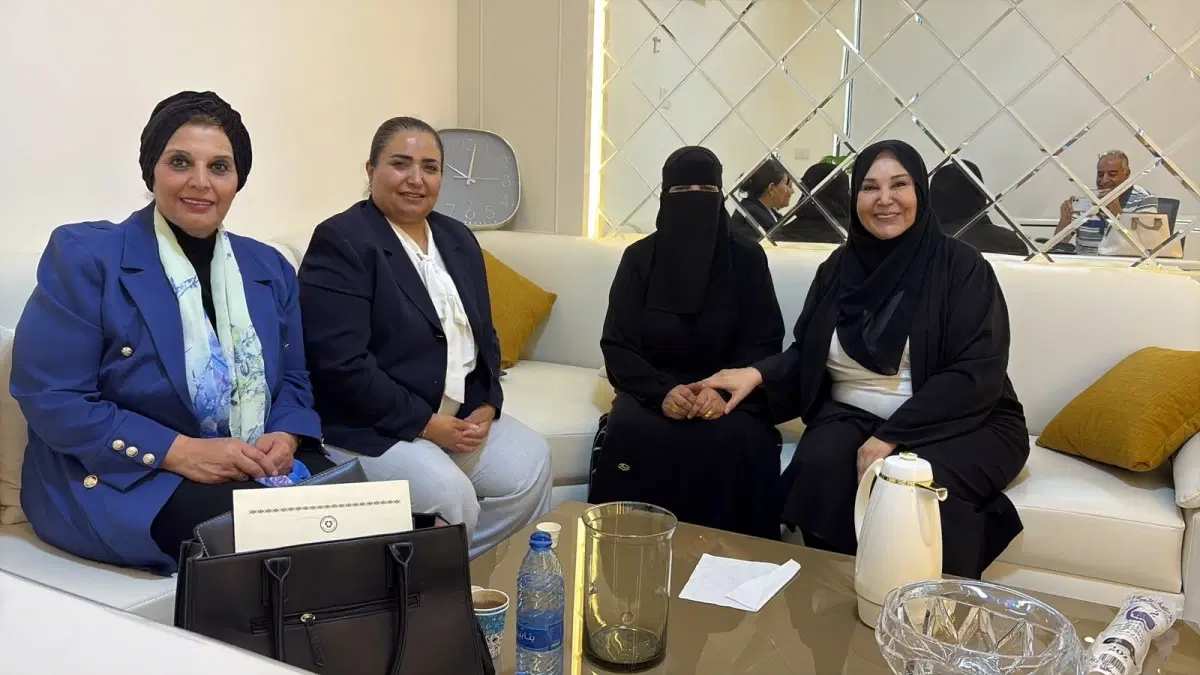
At the end of the symposium, the symposium's patron, Deputy Faliha Al-Khudair, was honored with a shield of appreciation, certificates of appreciation were presented to the speakers, and commemorative photos were taken with the participants and attendees.