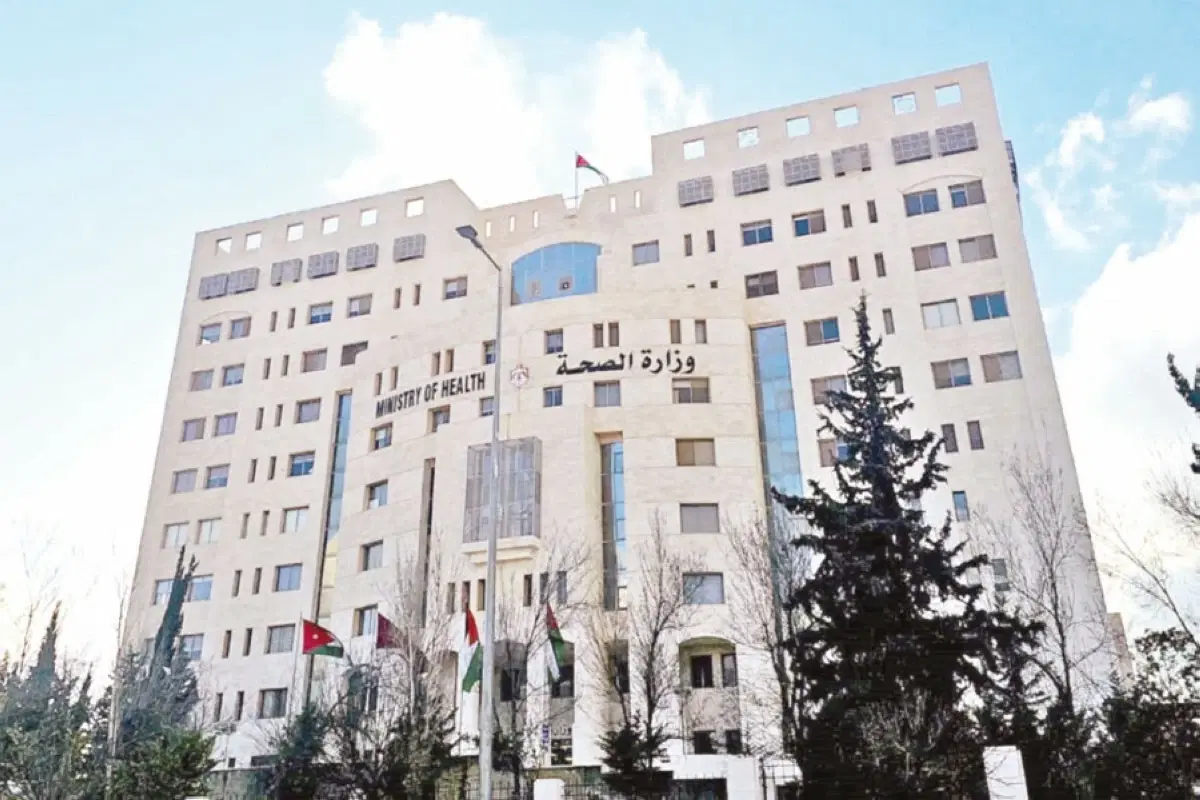
Chronic Diseases Test the Expansion of Jordan's Health Infrastructure
Putting the Health System to an Increasing Test
Amman5 min read
Share
The health landscape in Jordan during 2026 faces a striking paradox. While the health infrastructure is expanding, services are being digitized at an accelerated pace, and new national programs are being launched, the burdens of chronic diseases, obesity, and smoking, along with the challenges of medical human resources, are increasing. This puts the health system's ability to respond and sustain at an increasing test.
Professor and clinical pharmacotherapy consultant and member of the National Pharmacovigilance Committee, Dr. Darar Bal'awi, confirmed in a statement to «Alrai», that reading the current health indicators reveals that the challenge is no longer only about providing hospitals, beds, and services, but about the system's ability to prevent disease before it occurs and to confront risk factors that are draining both health and resources.
The latest data indicates that non-communicable diseases are responsible for about 78% of total deaths in the Kingdom, led by cardiovascular diseases at 29%, followed by cancer at 26%, then diabetes at 5% and chronic respiratory diseases at 2%.
This burden becomes more significant as a large percentage of deaths occur before the age of seventy, amid the prevalence of risk factors that can be prevented, primarily low physical activity, poor nutrition, high blood pressure, and blood sugar.
One of the most alarming indicators is what a recent study published in March 2026 showed about the prevalence of metabolic syndrome among Jordanian adults according to Bal'awi, where the standardized age rate of prevalence reached 47.7% according to the International Diabetes Federation criteria, and 44.6% according to ATP III criteria.
He explained that the results reveal an upward trend compared to previous national rates, with central obesity and low good cholesterol being among the most common components of the syndrome, with the risk increasing among females and the age group between 36 and 50 years, and those suffering from physical inactivity and obesity.
Bal'awi considered that these numbers overlap with the prevalence of obesity and overweight, as estimates indicate that about 39% of Jordanian adults suffer from obesity, while the percentage of those suffering from obesity and/or overweight reaches nearly 60%.
According to the Global Nutrition Report 2024, obesity among adult women reaches about 46%, compared to about 32% among men.
He believed that dealing with these indicators as mere numbers misses the magnitude of the problem, as obesity is linked to increased risks of diabetes, high blood pressure, heart disease, and some types of cancer, making it a long-term health and economic burden.
He emphasized that smoking stands out as one of the most pressing risk factors, with increased tobacco product consumption, and a large percentage of smokers starting this habit at young ages.
Data indicates that 83% of regular smokers started smoking before the age of twenty-four, and 38% before the age of eighteen, while the average expenditure on cigarettes is about 78 dinars per month per smoker.
The cost does not stop at the family, as estimates indicate that treating cancers linked to smoking drains at least 350 million dinars annually from healthcare allocations, with expectations that the cost will rise to more than half a billion dinars by 2030.
In contrast to these indicators, Jordan witnessed a new step with the launch of the first national plan to combat cancer for the period 2026-2030, providing a framework for prevention, early detection, treatment, and palliative care. This was preceded by the expansion of the treatment umbrella within the «Care» program to include nearly 4.1 million citizens for treatment at the King Hussein Cancer Center.
Bal'awi pointed out that the importance of the plan does not negate the challenges facing cancer control, primarily reducing smoking, increasing access to early detection programs, and qualifying more specialized professionals.
Records show 10,755 new cancer cases in Jordan during 2022, reflecting the burden that requires shifting from focusing solely on treatment to prevention and early detection.
Regarding the health system's capacity, Bal'awi explained that the government infrastructure has seen a noticeable expansion, as the Ministry of Health added 577 beds over the past two years, raising the total clinical capacity by about 10%, along with the establishment of 14 new health centers, the rehabilitation of 49 centers, and the computerization of 153 health facilities.
Amman Field Center was also rehabilitated with a capacity including 70 emergency beds, 44 intensive care beds, and 40 dialysis stations, in a move aimed at relieving pressure on government hospitals.
Parallel to the field expansion, he explained that the digital transformation rate in providing health services rose to 79% by June 2026, compared to 66% in September 2025 and 37% in December 2023, while the number of beneficiaries of digital health services exceeded one million.
Bal'awi pointed out that the Jordan Digital Health Center provides remote services in areas including dialysis, radiology, intensive care, and medical consultations via video and audio communication, contributing to reducing travel and waiting times, and reaching some specialties to remote governorates and areas.