Breast Cancer: Awareness and Early Detection are Two Ways to Save Lives
Amman7 min read
Share
Breast cancer is one of the most common types of cancer among women worldwide, and it represents one of the most important health challenges that require enhancing awareness, prevention, and early detection. Breast Cancer Awareness Month each year reminds us of the importance of health knowledge, encouraging women to take care of their breast health, learn about risk factors, and benefit from early detection methods.
In the following article, the Family Health Care Institute (from the King Hussein Foundation Institutes) highlights the most important steps that help reduce the risk of this disease, the necessity of early detection, the importance of knowing family history, the signs that require medical evaluation, in addition to self-examination and mammograms, and the relationship of hormones and birth control pills to increasing the risk of infection.
Although breast cancer cannot be prevented in all cases, adopting a healthy lifestyle, reducing modifiable risk factors, and adhering to appropriate screening programs for age and risk level can contribute to reducing the risk of infection and detecting the disease in its early stages, when the chances of treatment and recovery are higher.
What is breast cancer?
Breast cancer is an abnormal growth of breast tissue cells due to changes in the genetic material of the cells, leading to their uncontrolled proliferation. Cancer may start in the milk ducts or milk-producing parts, and may spread to surrounding tissues or other parts of the body if not detected and treated in time.
The chances of infection vary from woman to woman, as genetic, hormonal, environmental, and lifestyle factors interact to determine the level of risk.
Can breast cancer be prevented?
There is no way to guarantee complete prevention of breast cancer, and some risk factors, such as age, genes, and family history, cannot be changed. However, there are important steps a woman can take to help reduce the risk of infection:
1 - Maintain a healthy weight:
Maintaining a healthy weight is especially important after menopause, as excess weight and obesity are associated with an increased risk of some types of breast cancer. Therefore, it is recommended to follow a balanced diet and engage in regular physical activity to help maintain an appropriate weight.
2 - Engage in regular physical activity:
Regular physical activity has many benefits for heart, bone, and metabolic health, and may also be associated with a reduced risk of breast cancer. Most adults can benefit from regular moderate physical activity, such as brisk walking, along with reducing long periods of sitting.
Exercise does not have to be intense or expensive; regularity and consistency are the most important.
3 - Follow a healthy diet:
It is recommended to consume plenty of vegetables, fruits, whole grains, and legumes, and to choose healthy sources of protein and fats, while limiting highly processed foods and high-calorie meals.
Following a healthy diet does not mean that a single food can prevent cancer, but rather it is about the overall dietary pattern and long-term healthy habits.
4 - Avoid smoking:
Smoking is a risk factor for many diseases, including various types of cancer. Therefore, refraining from smoking and avoiding exposure to tobacco smoke as much as possible is an essential part of maintaining general health and reducing health risks.
5 - Limit alcohol consumption:
Alcohol consumption is associated with an increased risk of breast cancer, and the risk increases with the amount consumed. Therefore, avoiding alcohol or reducing consumption is one of the steps that can help reduce risk factors.
6 - Breastfeed when possible:
Breastfeeding can be associated with a reduced risk of breast cancer, in addition to its many health benefits for the mother and child. Breastfeeding recommendations and duration vary depending on the health and social circumstances of each mother, so women should be supported in choosing what suits them best in consultation with the medical team when needed.
The importance of knowing family history:
Having a history of breast cancer or ovarian cancer in relatives, especially first-degree family members, may indicate a higher risk level for some women. Some inherited genetic mutations, such as BRCA1 and BRCA2 mutations, may significantly increase the likelihood of breast and ovarian cancer.
Therefore, if a woman has a history of cancer infections at a young age within the family, it is important to discuss the matter with the doctor. Genetic counseling or genetic testing may be appropriate for some women after evaluating family history and risk factors.
Early detection is the most important line of defense:
In addition to prevention, early detection is a key element in the fight against breast cancer. This means detecting the disease before the onset of obvious symptoms or at an early stage, when treatment options are more effective in many cases.
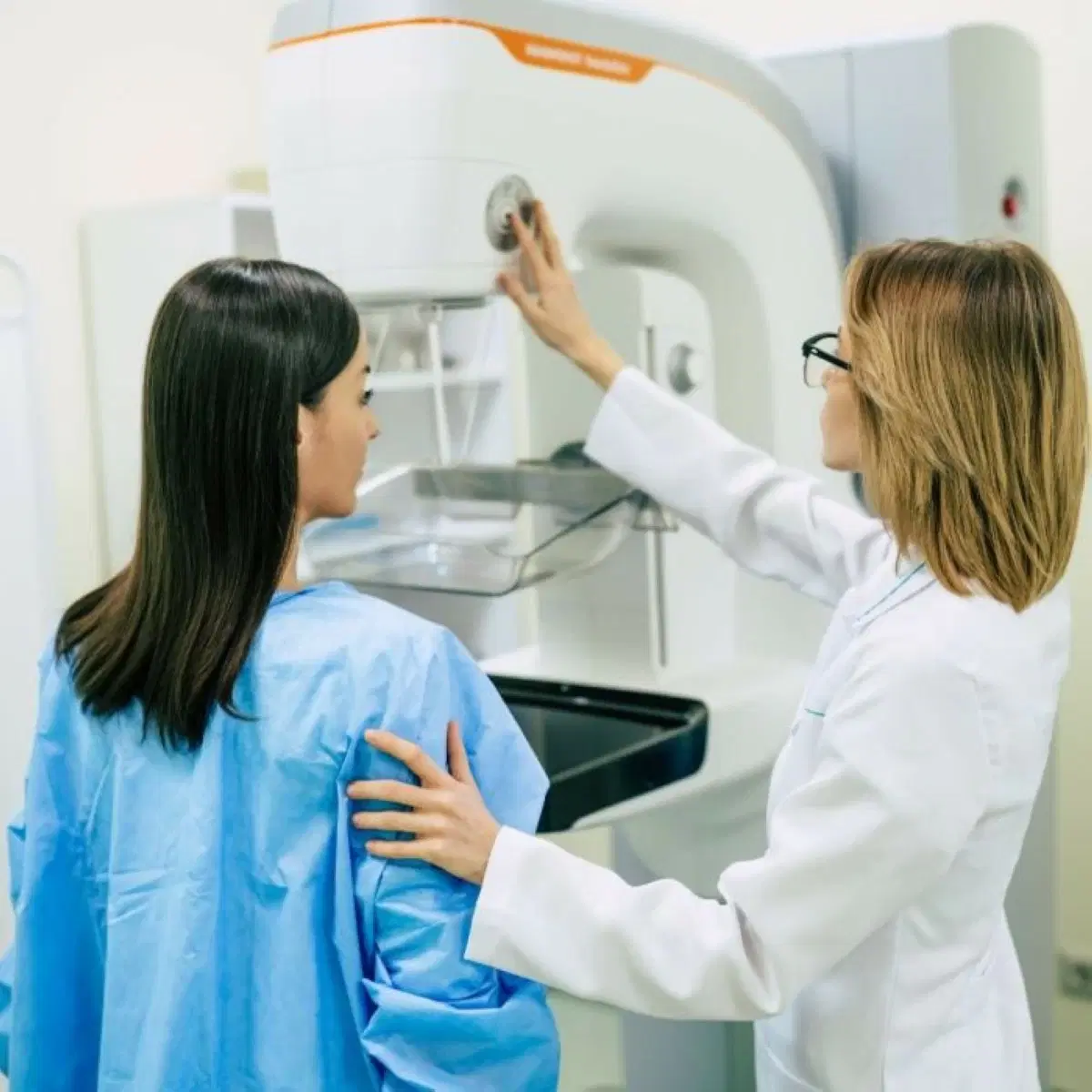
Screening recommendations vary from country to country and from woman to woman, depending on age, risk level, and medical and family history. Screening may include mammography, which is one of the most important means of detecting breast cancer in the early stages.
A woman should not wait for symptoms to appear before taking care of her breast health, but it is best to discuss the appropriate screening schedule with the doctor according to age and risk factors.
Knowing the normal appearance of the breast:
It is important for a woman to be aware of the normal appearance and feel of her breasts, as this helps her notice any new changes. Signs that require medical evaluation include:
- The appearance of a new lump in the breast or armpit area.
- A noticeable change in the size or shape of the breast.
- Changes in the skin of the breast, such as dimpling or an orange peel appearance.
- A new change in the nipple or turning it inward.
- Abnormal discharge from the nipple, especially if it is bloody.
- A persistent or unusual change in the shape of the breast.
The presence of these signs does not necessarily mean cancer; many breast changes are benign. However, it is important not to ignore any new or persistent changes and to consult a doctor to determine the cause.
Does self-examination replace mammography?
Self-examination or noticing changes in the breast can help a woman learn about the nature of her breasts, but they are not a substitute for recommended early detection screenings. Some tumors may be very small and cannot be detected by touch, while mammography can detect some changes at an early stage.
Therefore, breast health awareness and regular screenings should be seen as complementary elements, not alternatives to each other.
What about hormones and birth control pills?
Some hormonal treatments, including some types of hormone therapy used after menopause, may be associated with an increased risk of breast cancer. Some hormonal birth control methods may also be associated with a small increase in risk during or shortly after use.
However, the decision to use any hormonal medication should not be based solely on the fear of cancer, as the benefits and risks vary from woman to woman. Therefore, medical history and risk factors should be discussed with the doctor before starting or continuing treatment.
Awareness starts with a step:
Preventing breast cancer is not just an individual responsibility, but a community responsibility that requires disseminating reliable health information, encouraging women to undergo appropriate screenings, facilitating access to health care services, and combating the fear and stigma associated with the disease.
In Breast Cancer Awareness Month, we must remember that awareness is not limited to wearing the pink ribbon, but becomes a real value when it motivates us to take practical steps: adopting a healthy lifestyle, knowing risk factors, adhering to early detection, and not ignoring any abnormal changes.