Axios: Trump may resort to a major military operation against Iran if Republicans lose the midterm elections
Amman3 min read
Share
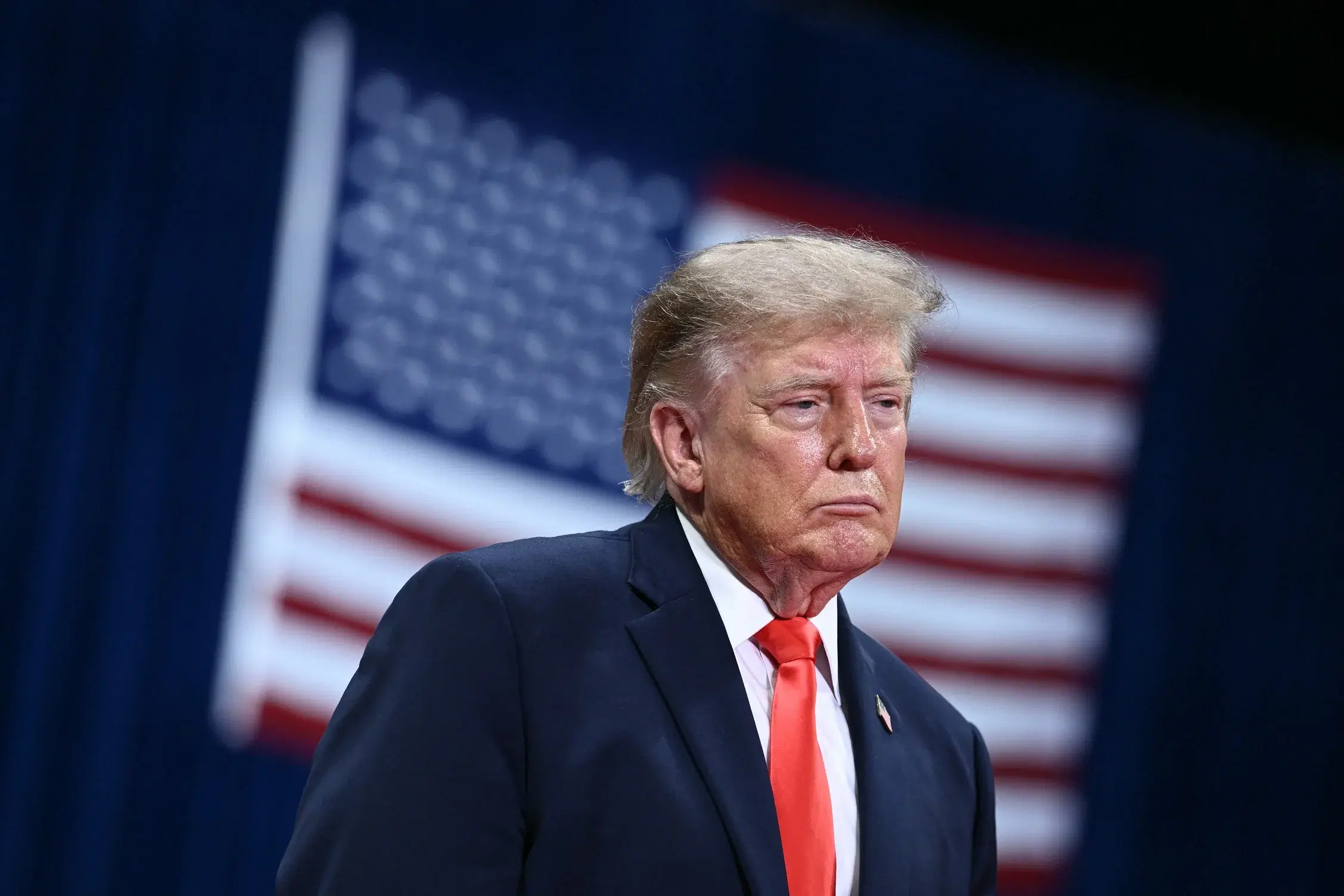
The "Axios" website quoted a US official as saying on Saturday that US President Donald Trump may be more inclined to order a major military operation if the Republicans suffer a significant loss in the midterm elections.
The official said, according to "Axios": "If Trump feels embarrassed or sidelined, he will do something bold. This is what everyone is telling the Iranians; their best chance to reach an agreement is now."
In this context, a draft negotiation proposal between the United States and Iran includes reopening the Strait of Hormuz to international navigation within 7 days of reaching an initial understanding, discussing the fate of the highly enriched uranium stockpile, in addition to establishing an international mechanism to ensure the implementation of mutual obligations, while proposing a potential role for China as a guarantor of any agreement.
The draft proposes discussing an early Iranian commitment regarding the highly enriched uranium stockpile, by transferring it to a third country agreed upon by both parties or lowering its enrichment level, according to technical arrangements and verification mechanisms. It also proposes reopening the Strait of Hormuz through daily confidence-building measures and exploring an international mechanism to ensure the implementation of mutual obligations.
The draft calls for holding a round of direct talks between the two sides, proposing the Qatari capital, Doha, as a potential host instead of Istanbul, against the backdrop of Iranian security concerns regarding Turkey, provided that both parties agree on the level of representation and security guarantees.
The proposals are based on a phased and synchronized timetable, such that each Iranian measure related to the nuclear program or maritime navigation is met by a specific US measure to ease sanctions, the blockade, and economic restrictions, with obligations subject to independent verification, and no party is obligated to make substantive concessions in advance without verifiable reciprocal commitments, in addition to establishing procedures to address any delay or Iranian non-compliance.
Conversely, a senior Iranian official described the terms of the Qatari draft as unacceptable, indicating that Tehran does not intend to change its position on its nuclear program, while the dispute between the two parties focuses on the sequencing of steps; Washington wants to address the Iranian nuclear file, while Tehran demands the lifting of the US naval blockade first, the release of frozen Iranian funds, and being allowed to sell oil.
In a separate path from the Qatari proposal, Iran continues to discuss its own 7-day plan with intermediaries.
Iranian Foreign Minister Abbas Araghchi said that his country is in contact with them regarding the implementation of this plan, which proposes reciprocal steps to address the differences between the two sides.
In the latest mediation efforts, Qatari mediators returned to Tehran on Friday to push efforts aimed at reaching an understanding, following talks that lasted more than 12 hours, coinciding with their ongoing communication with the White House.
A Qatari delegation led by the Senior Advisor to the Prime Minister and Minister of Foreign Affairs arrived in Tehran on Friday to meet with senior officials and discuss bilateral relations and regional developments.
Countries in the region, including Egypt, Turkey, Iraq, Pakistan, and Saudi Arabia, are urging Iran to resume negotiations before the US midterm elections.