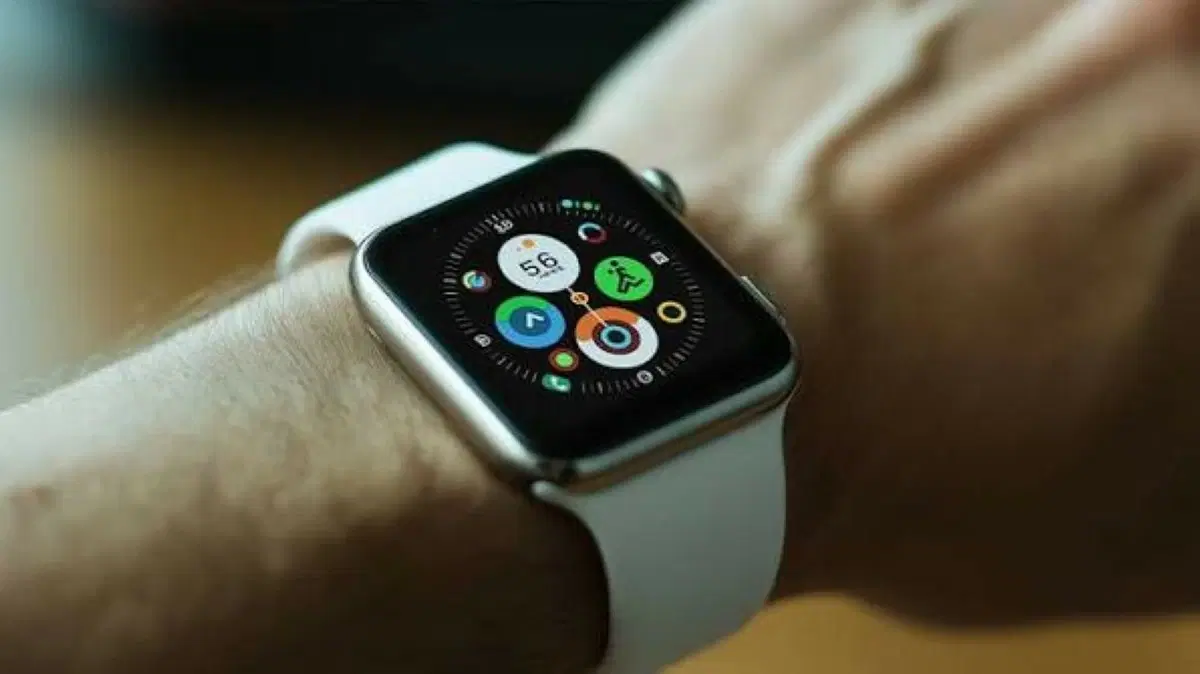
Are your daily steps linked to brain health? What does a smartwatch reveal?
Amman3 min read
Share
The role of a smartwatch may not be limited to counting steps and calories, as new research findings suggest that physical activity patterns over a year may be linked to subsequent diagnoses of neurological diseases, including dementia, Parkinson's disease, and stroke.
According to research presented during the 151st annual meeting of the American Neurological Association, researchers analyzed data from more than 22,000 adults and found that people who averaged fewer than 5,000 steps per day were later diagnosed with the neurological diseases included in the study at a rate nearly double that recorded by those whose average steps exceeded 12,000 per day.
However, these results do not mean that the number of steps inevitably predicts the development of a neurological disease, nor that all the diseases covered by the research saw a doubling of risk individually.
The data showed that lower activity was also associated with higher rates of obesity, diabetes, high blood pressure, and depression, which are health factors that may help explain some of the differences between participant groups.
These results indicate that smartwatch data may provide a way to track movement patterns over time and could potentially help identify individuals who would benefit from a broader assessment of their health.
A low average step count does not reveal a specific health problem on its own, but it may encourage a review of daily habits and general health status, especially if accompanied by a noticeable change in the usual level of activity.
So far, these results do not allow smartwatches to be considered tools for diagnosing or definitively predicting neurological diseases. The study is observational and reveals an association between activity level and subsequent diagnoses, but it does not prove that a lack of walking is the direct cause of the illness.
Multiple factors can also interfere in this relationship, including chronic diseases, lifestyle, and previous health status. Results must be interpreted in light of the research methodology and its limitations, rather than turning them into a medical warning based on a single number.
Tracking steps can help you understand your movement habits over weeks and months, rather than focusing on a single day's tally. If you notice a consistent decline in your activity or an unusual change in your ability to move, it is useful to discuss this with a health professional.
The World Health Organization recommends that adults engage in 150 to 300 minutes of moderate-intensity physical activity per week, or an equivalent amount of vigorous-intensity activity, in addition to muscle-strengthening exercises at least two days a week.
Improving activity does not require reaching 12,000 steps per day; appropriate goals vary depending on age, physical ability, and health status, and one can start with a small amount and increase it gradually.
In the end, a smartwatch may give you a clearer picture of your activity level, but it does not reduce brain health to a step counter. The most important thing is to use the data to understand habits, improve activity in a way that suits your abilities, and monitor other health indicators when necessary.