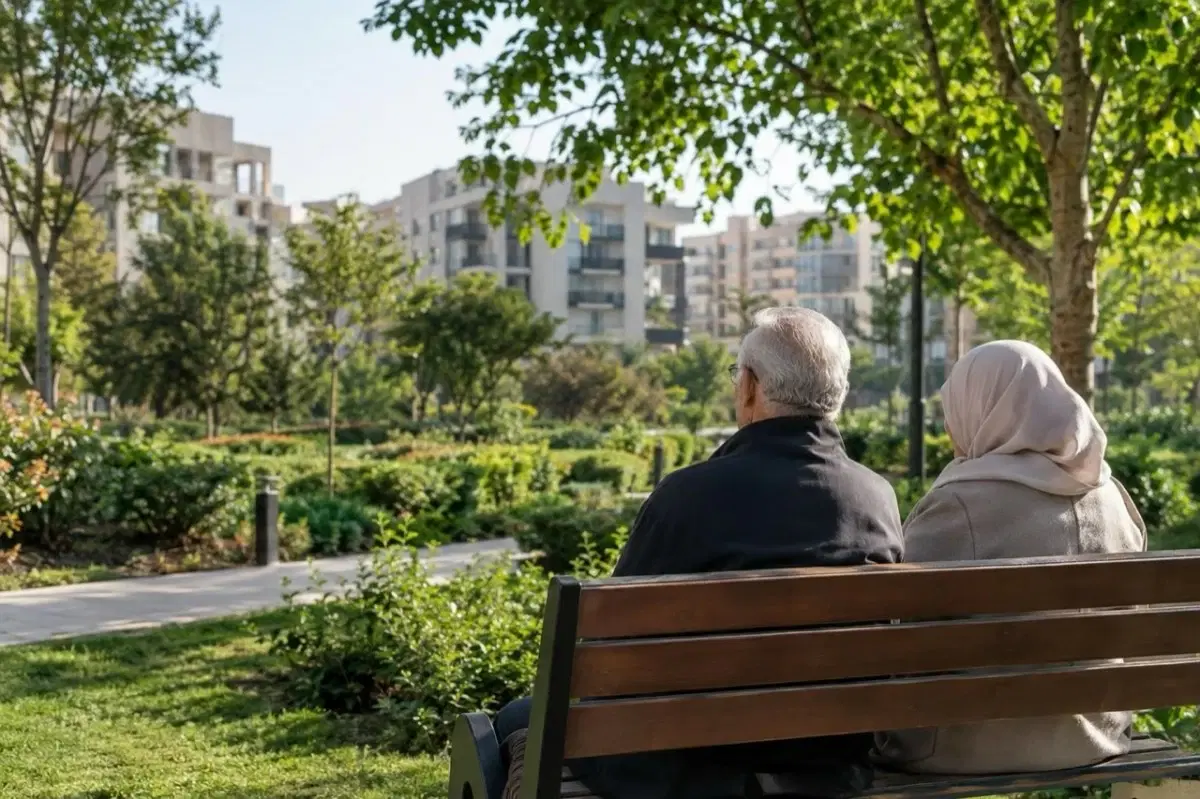
To measure the impact of the surrounding environment, researchers used satellite imagery to determine vegetation density within distances of 100, 250, and 500 meters from the participants' homes. They also took into account several factors, including age, education level, lifestyle, and socioeconomic status, as well as air pollution and traffic noise.
The results showed that people living in areas rich in vegetation within 100 meters of their homes were up to 20% less likely to develop dementia, with this association decreasing as the distance from green spaces increased. This effect was more pronounced in women.
Researchers suggest that proximity to nature may contribute to maintaining brain health by reducing stress, improving sleep quality and psychological well-being, as well as encouraging physical activity and enhancing social interaction.
The study confirmed that the potential benefits are not limited to large parks, but may also include trees, green squares, home gardens, and plants grown along roadsides.
However, the results indicate an association between proximity to green spaces and a reduced risk of dementia, and do not prove that living near them directly prevents the disease.