Arab League demands international protection for Palestinians
Agencies4 min read
Share
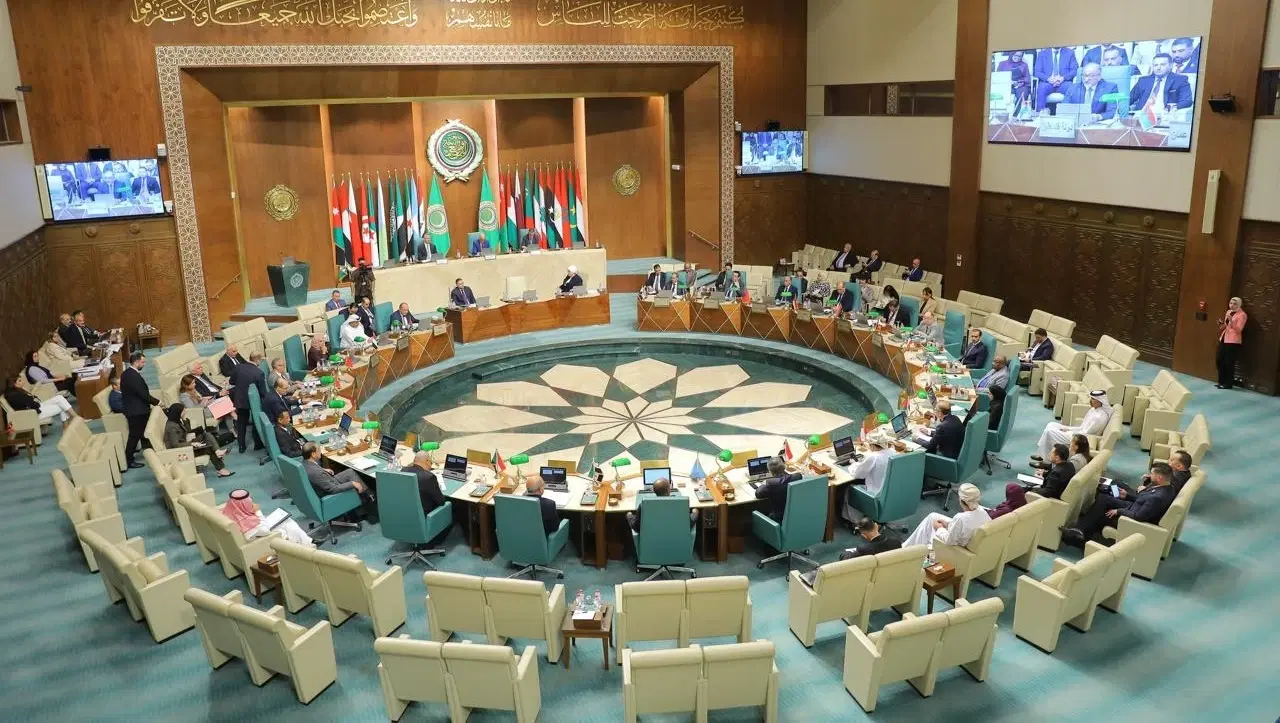
The Council of the League of Arab States at the level of permanent representatives affirmed, at the conclusion of its extraordinary session, the necessity of providing international protection for the Palestinian people in the face of what it described as crimes of aggression, genocide, and ethnic cleansing committed by Israel, as well as armed settler terrorism.
In a statement today, Tuesday, the League Council stressed the need to respect the legal status of the city of Jerusalem and rejected any unilateral measures aimed at changing it, including the opening of embassies or diplomatic missions there.
The Council condemned Israeli policies and practices against the Palestinian people, including crimes in the Gaza Strip, ethnic cleansing in the West Bank, and attacks carried out by settlers—such as killing, burning, vandalism, kidnapping, torture, blockade, and road closures—considering them grave violations of international law.
It emphasized that the continuation of Israeli aggression and occupation of occupied Palestinian and Arab territories harms Arab national security and undermines international peace and security, calling for the enhancement of joint Arab action and the development of joint Arab defense mechanisms, including the Joint Defense and Economic Cooperation Treaty, in accordance with the principles of international law and the United Nations Charter.
The Council demanded that the UN Security Council assume its responsibilities in maintaining international peace and security, and issue a resolution ensuring international protection for the Palestinian people and implementing its relevant resolutions—notably Resolutions 904 of 1994, 605 of 1987, and 2334 of 2016—concerning the protection of Palestinians, the applicability of the Fourth Geneva Convention to the occupied Palestinian territory, including Jerusalem, and the rejection of settlement expansion.
It called for the adoption of a resolution under Chapter VII of the United Nations Charter to compel Israel to halt its aggression and implement Security Council resolutions and the orders and advisory opinions of the International Court of Justice.
The Council stressed the need to continue bilateral and multilateral Arab action to provide an effective system of international protection for Palestinians, including resorting, when necessary, to holding an emergency special session of the UN General Assembly under the title "Uniting for Peace" in implementation of relevant UN resolutions, including resolution A/RES/ES-10/20 of 2018 regarding the protection of Palestinian civilians. It called on the High Contracting Parties to the Fourth Geneva Convention to intervene immediately to protect the Palestinian people from Israeli attacks and crimes and settler terrorism.
Regarding settlements, the Council affirmed the necessity of implementing Arab summit resolutions concerning the boycotting of companies operating in Israeli settlements in the occupied Palestinian territory, and adding Israeli settlement terrorist organizations and entities to national Arab terrorist lists.
It denounced the escalating attacks committed by settlers against Palestinian farmers during the olive harvest season in the occupied West Bank, which include vandalizing trees, stealing crops, and preventing farmers from accessing their lands, stressing that these practices violate the rights of Palestinians to their land and natural resources, and target olive trees, which represent a historical symbol of their steadfastness and connection to their land.
The Council renewed its rejection and condemnation of any unilateral decisions affecting the legal status of the city of Jerusalem, including the opening of embassies, offices, or diplomatic missions therein, affirming that these steps violate international law and Security Council resolutions, particularly Resolutions 476 and 478 of 1980, the advisory opinions of the International Court of Justice, and the Vienna Convention on Diplomatic Relations.
It pointed out that these measures represent an assault on the rights of the Palestinian people and a provocation to the sentiments of the Arab, Islamic, and Christian nations, in addition to undermining peace efforts and threatening international peace and security.
The Council specifically condemned Colombia's intention to open an embassy in Jerusalem, warning of the potential repercussions of this step on political, diplomatic, and economic Arab-Colombian relations, and called on the Colombian government to rescind the decision.
It also called for the summoning of Colombian ambassadors to the member states of the Arab League and the Organization of Islamic Cooperation, conveying official protests to them, and explaining the potential ramifications of the decision on bilateral relations.
The League Council demanded that member states take the necessary political, diplomatic, and economic measures to counter any similar steps that would prejudice the legal status of Jerusalem and violate international legitimacy resolutions.
The Council stressed the importance of continued Arab coordination and action at regional and international levels to protect the Palestinian people, safeguard their legitimate rights, counter Israeli violations, and preserve the legal and historical status of the city of Jerusalem, in support of efforts to achieve a just and comprehensive peace in accordance with international legitimacy resolutions.