5 houseplants for air purification.. Do they help get rid of carcinogens?
Amman4 min read
Share
Dr. Ekaterina Dubrovina, associate professor at Pirogov Russian National Research Medical University, identified five plants that she says may help improve air quality, noting that some of them rely on a special pattern of photosynthesis known as "Crassulacean Acid Metabolism" (CAM), which allows them to absorb carbon dioxide during the night.
Aloe Vera is one of the plants that follow the CAM photosynthesis pattern, absorbing carbon dioxide at night, while most carbon fixation and utilization processes take place during the day.
Dubrovina points out that Aloe Vera may help absorb certain compounds, such as formaldehyde, but the available evidence does not prove its ability to purify room air efficiently enough to remove harmful pollutants.
The Kalanchoe plant is distinguished by its ability to adapt to dry conditions, and some of its species follow the CAM photosynthesis pattern.
The doctor points out that it may contribute to improving the bedroom environment, but there is no strong evidence proving that its presence raises oxygen levels at night to a degree that noticeably affects human sleep quality.
This plant is also known as "Sansevieria" and is one of the common houseplants due to its ease of care and ability to withstand various lighting conditions.
It uses the CAM photosynthesis pattern, which allows for the absorption of carbon dioxide at night. Laboratory experiments have also shown that some plants can remove compounds such as benzene and formaldehyde from the air, but the effect of potted plants indoors is usually much less than specialized air purification systems.
The spider plant is characterized by its long, drooping leaves and is frequently used to decorate homes and offices.
Some laboratory experiments indicate its ability to absorb certain pollutants, but its presence does not mean it efficiently removes dust and harmful particles from room air. Good ventilation and regular cleaning remain much more effective in reducing the accumulation of many of these pollutants.
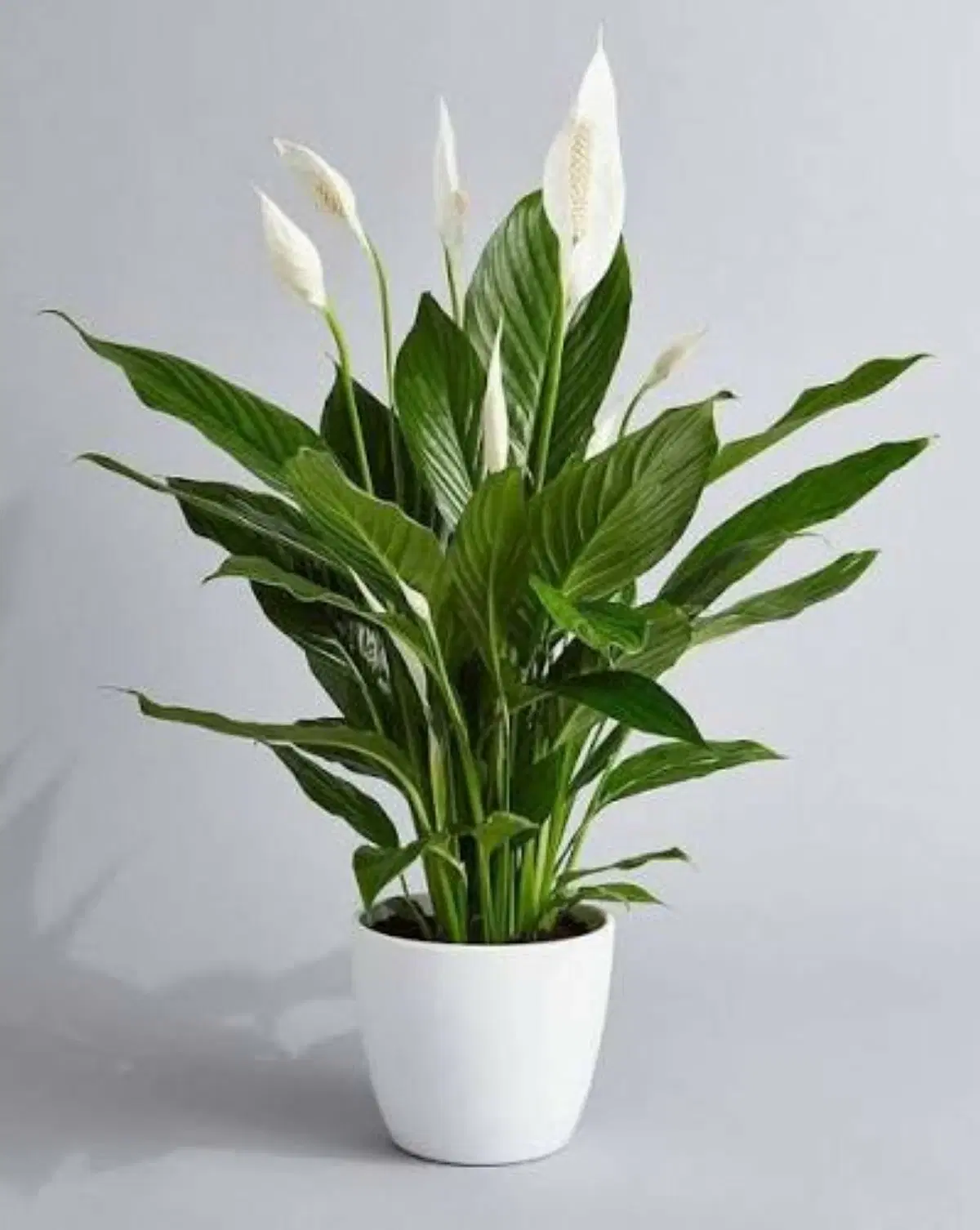
The peace lily is characterized by its green leaves and white flowers, and is known for its ability to grow in indirect lighting conditions.
Laboratory studies have shown this plant's ability to remove some volatile organic compounds, such as benzene, from the air. However, these results do not mean that placing it in a bedroom is enough to remove pollutants at levels that impact health.
Additionally, the peace lily is toxic to pets if chewed or swallowed, so it should be placed out of their reach.
Dubrovina recommends placing plants in the bedroom at a distance ranging between half a meter and two meters from the bed, noting that the presence of two large plants may be enough to add a green touch without overdoing the number of pots.
It is important to avoid overwatering plants, as keeping the soil constantly damp can encourage mold growth, especially in poorly ventilated rooms. The safety of plants should also be checked before purchasing them if the home includes children or pets.
Although some laboratory experiments have shown plants' ability to absorb certain pollutants, the evidence does not support considering houseplants as an effective standalone means of purifying indoor air from carcinogens.
To improve air quality more effectively, it is recommended to ventilate the home when outdoor air quality is suitable, reduce indoor sources of pollution, and use purifiers equipped with appropriate filters when needed.
Conclusion: Houseplants can add beauty to a space and may absorb some pollutants under certain conditions, but they should not be relied upon as a substitute for proper ventilation, reducing pollution sources, and effective air purification methods.