The analytical comparison of statistical data showed that Jordanian visitors are the main driver of the increase in tourist movement in the museum; the number of Jordanian visitors increased by 46.67%, reaching 5,352 visitors during the first seven months of 2026, compared to 3,649 visitors during the same period in 2025.
As for foreign visitors, their numbers recorded a slight decline of 2.5%; their number reached 193 visitors until the end of July 2026, compared to 198 visitors during the corresponding period of 2025.
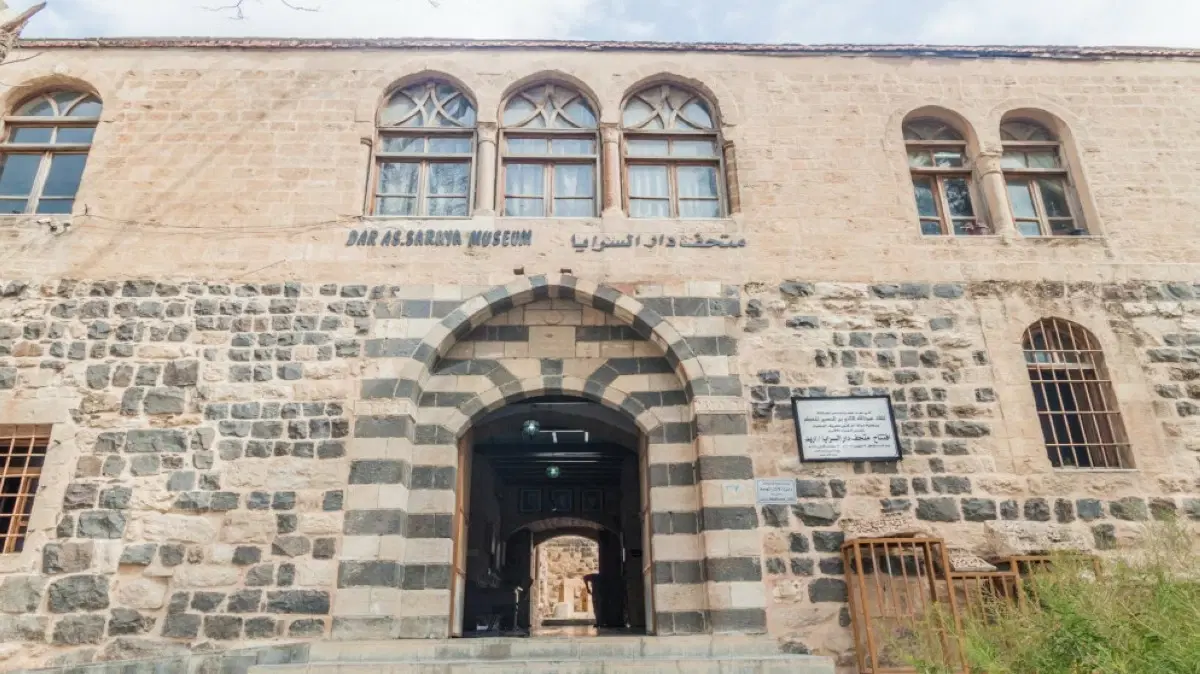
The museum is located on the southern slope of the archaeological tell of Irbid within the oldest heritage building in the city, dating back to the Ottoman period, built in 1886 on the Syrian Hajj road. The building consists of two floors, two entrances (northern and southern), and a stone inscription in Arabic above the southern entrance bearing the date of its construction, according to the website of the Tourism Development Authority.
The museum houses a number of archaeological pieces found in archaeological sites in Irbid Governorate, and consists of seven halls surrounding an open courtyard with a collection of large stone pieces such as sarcophagi, crowns, columns, and presses, representing the city's urban, cultural, and artistic activity through the ages.