Yemeni Army: Houthi-Iranian Weapons Threaten Aviation Safety South of the Red Sea
Agencies4 min read
Share
The Yemeni Army said on Saturday that it had monitored the Houthi group's use of Iranian air defense weapons in ways that it said threatened the safety of civilian aviation and international air routes south of the Red Sea.
This was stated in a statement by the spokesman for the Yemeni Armed Forces, Colonel Major General Majed Al-Nazly, published by the Media Center of the Armed Forces.
Al-Nazly said that the armed forces had recently monitored the Houthis' use of 'Iranian air defense weapons with innovative technologies and tactics', claiming that they were directed against a number of civilian aircraft and converted into'mobile' missiles launched from Al-Hudaydah province in western Yemen towards international air routes south of the Red Sea.
He added that 'these missiles remain in a mobile state for up to 25 minutes per missile, and operate on a thermal tracking system, attacking any heat source without the ability to distinguish between military and civilian targets'.
He considered this 'a direct and serious threat to the safety of civilian aviation and the lives of passengers', including United Nations aircraft and humanitarian and relief organizations that use these air routes in Yemen and the region.
Al-Nazly spoke of this development 'coinciding with the threats made by Iranian Supreme Leader's advisor Mohammad Mokhtar and Secretary of the Supreme National Security Council of Iran, Mohsen Rezaei, to target and disrupt aviation services in the region, following the sanctions imposed on Iranian airlines'.
He stressed that the threat to the airspace south of the Red Sea and its transformation into a threat zone for civilian aircraft 'represents an extremely dangerous escalation', which, according to him, goes beyond the safety of Yemeni airspace to affect the safety of international airspace.
He warned against the use of these weapons from Yemeni territory, considering them a 'direct threat to international air routes', and that they cannot be treated as a purely Yemeni domestic affair.
He called for a position and measures from the concerned parties, primarily the International Civil Aviation Organization and the International Air Transport Association.
No immediate comment was issued by the Houthi group or Iran on what was reported in the statement by the spokesman for the Yemeni Armed Forces.
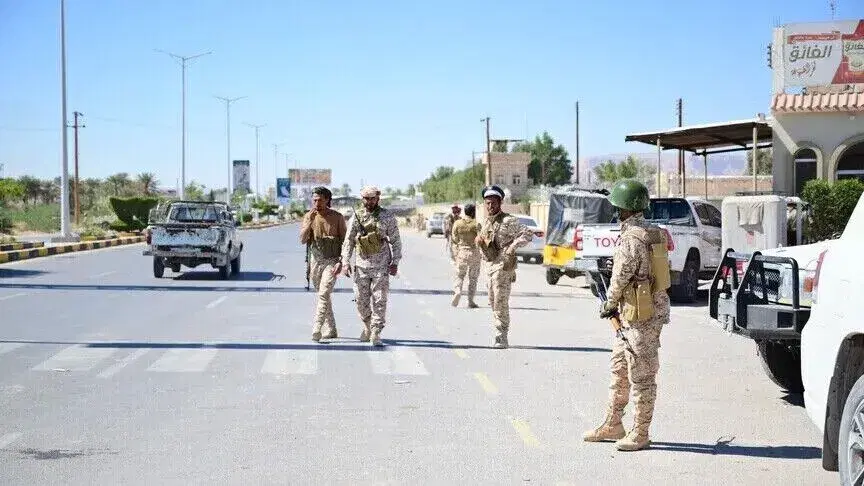
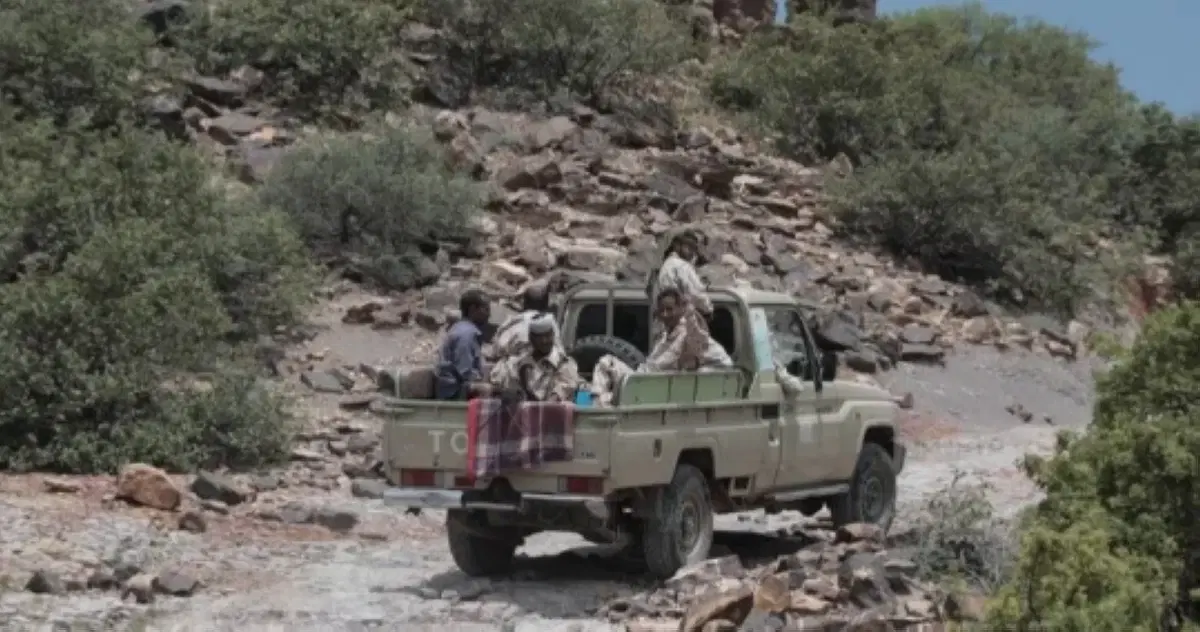
In a related context, the Yemeni Army announced in a statement issued by the 'Tur Al-Bahah' military axis active in Lahj and Taiz governorates in southwestern the country, the killing of 10 of its soldiers in clashes with Houthi militants, amid ongoing military escalation between the two sides.
The statement said: 'The leadership of the Tur Al-Bahah axis announces to the great people 10 martyrs from its brave heroes, who were martyred while fighting battles of honor and dignity and trampling the noses of the terrorist Houthi militia along the front lines of the axis'.
The statement added that 'these great sacrifices are a living embodiment of our firm and unyielding combat doctrine, and a continuation of the march of cutting off the clerical hands that try to harm the security of Taiz, Lahj, and all of the great Yemen'.
The statement quoted the commander of the axis, Major General Abu Bakr Al-Juburi, as saying that 'the departure of these heroes only increases our steadfastness and determination to continue the path (...), and the walls of Taiz and Lahj will remain impregnable and a graveyard for anyone who dares to touch our land, religion, and dignity'.
He continued: 'We pledge to God, our people, and the families of our martyrs that we will not lay down our weapons and will not retreat an inch until the entire national soil is cleansed of the filth of this renegade gang'.
The statement did not go into further details regarding the place and time of the killing of these individuals.
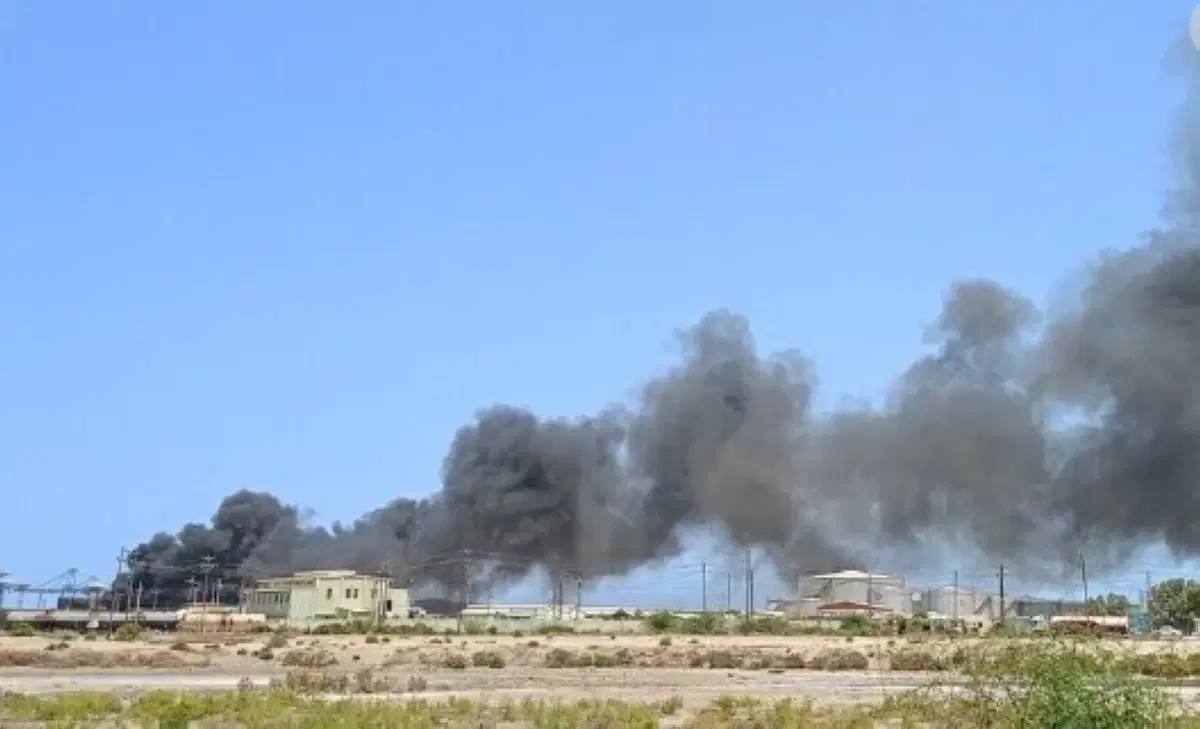
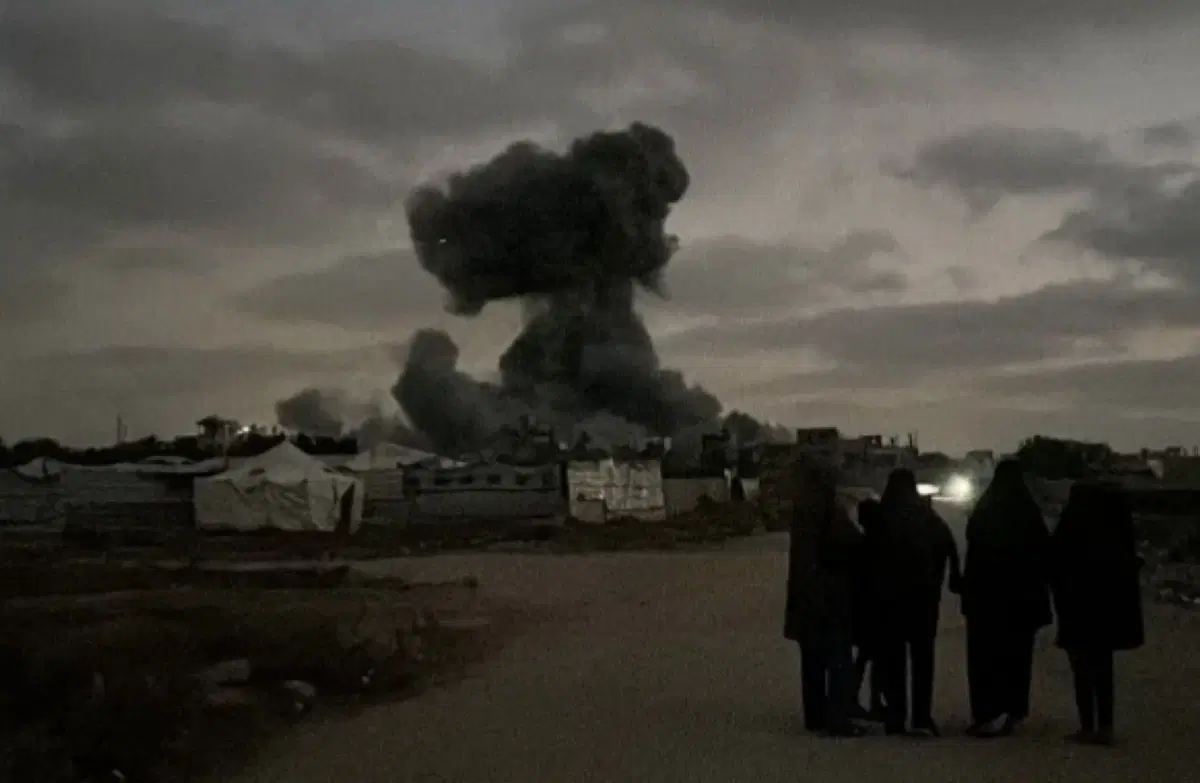
Until today, several fronts in Yemen are witnessing a military escalation, amid renewed clashes between government forces and the group's fighters in several governorates, including Taiz, Lahj, Marib, Al-Jawf, Al-Bayda, and others.
These developments are part of a military escalation that began in early July 2026, the largest since the relative calm that followed the April 2022 truce.
The pace of fighting accelerated during September, resulting in the Houthis' control of several vital centers in Al-Hudaydah and Taiz governorates, including the strategic city of Al-Mukhaykha, reaching Mayun Island overlooking the international maritime strait of Bab Al-Mandab.
Yemen has been witnessing a war since the Houthis took control of the capital Sanaa and several governorates in September 2014, before the intervention of an Arab coalition led by Saudi Arabia in March 2015 in support of the internationally recognized Yemeni government.