Yarmouk Water: Tests confirm the integrity of the sewage line on the Kufranja – Wadi Al-Tawahin road
Amman3 min read
Share
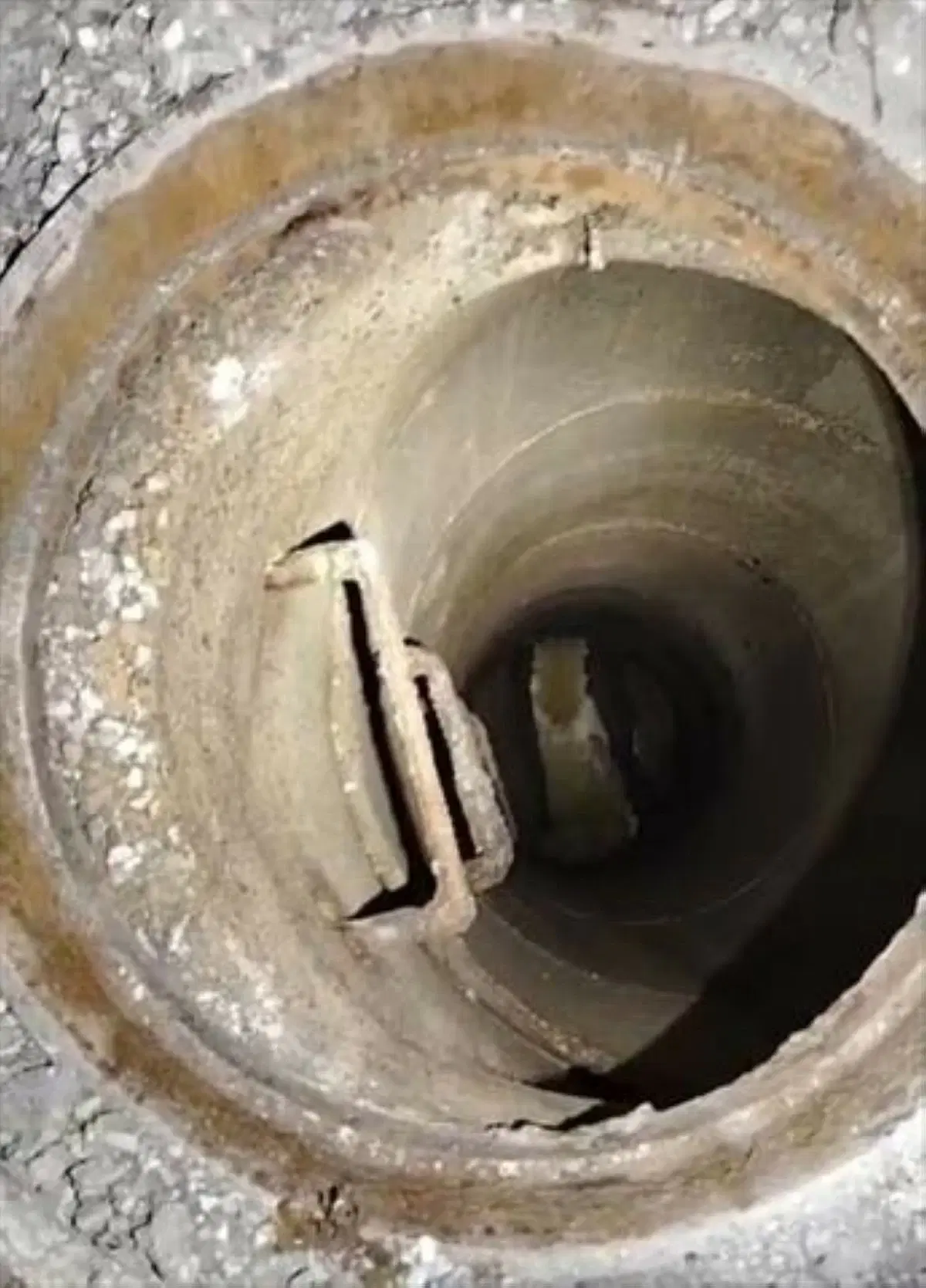
Yarmouk Water Company confirmed that specialized technical tests of the sewage line at the site of the damage on the Kufranja – Wadi Al-Tawahin road showed it is completely intact, and that attributing the road subsidence to a defect in the line does not align with the documented test results and official correspondence regarding the site.
The company explained, in a statement today, Sunday, in response to a statement by the Ministry of Public Works and Housing regarding the road, that a comprehensive examination of the line was conducted on the evening of Friday, 30/10/2026, using specialized cameras, in the presence of the Director of the Sewage Plants and Networks Directorate, a representative of Public Works, the consultant, and the contractor, and the line was found to be completely intact, with visual documentation confirming this.
It pointed out that the joint inspection report dated 17/9/2026, prepared by representatives of the Greater Ajloun Municipality, the Ajloun Governorate Public Works Directorate, and the Ajloun Governorate Water Administration, documented the presence of debris placed by the implementation contractor within the perimeter of Wadi Al-Tawahin and on its sides, and recommended its removal to maintain the capacity of the wadi channel and ensure the flow of surface water from the street into it, especially during the winter season, in addition to opening a transverse pipe channel due to the presence of debris inside it.
It added that the same report documented the exposure of some sewage manholes during the contractor's work in the second phase of expansion and paving, and recommended reinforcing and encasing them in concrete to protect them from breakage or collapse, and also noted the Ajloun Water Administration's request to inspect the manholes and lines to ensure they are free of sediment or debris resulting from the contractor's work.
It stressed that the observations regarding the protection of manholes during the project's implementation do not prove the existence of a leak in the sewage line, which subsequent examination showed to be intact, emphasizing the need to take all technical observations recorded in the joint report into account when assessing the situation and determining the causes of the damage.
The company rejected being held responsible for the damages based on the existence of a defect in a line that technical tests proved to be intact, confirming that official correspondence, field inspections, and specialized tests document its follow-up on the site, and do not agree with what was stated regarding weak response or delay in follow-up.
It stressed the necessity of basing the determination of the causes of the damage and responsibilities on the results of the joint official tests and reports, and for each entity to assume its responsibilities within its jurisdiction and implement the necessary remedies according to the documented observations and recommendations, while ensuring accuracy in the information provided to the public and not holding any entity responsible without proven technical evidence.
The company renewed its commitment to cooperate and coordinate with the Ajloun Governorate, the Ministry of Public Works and Housing, and all other concerned authorities to complete the technical verification of the water source and the causes of the damages and address them, in order to preserve the safety of citizens, infrastructure, and public funds.