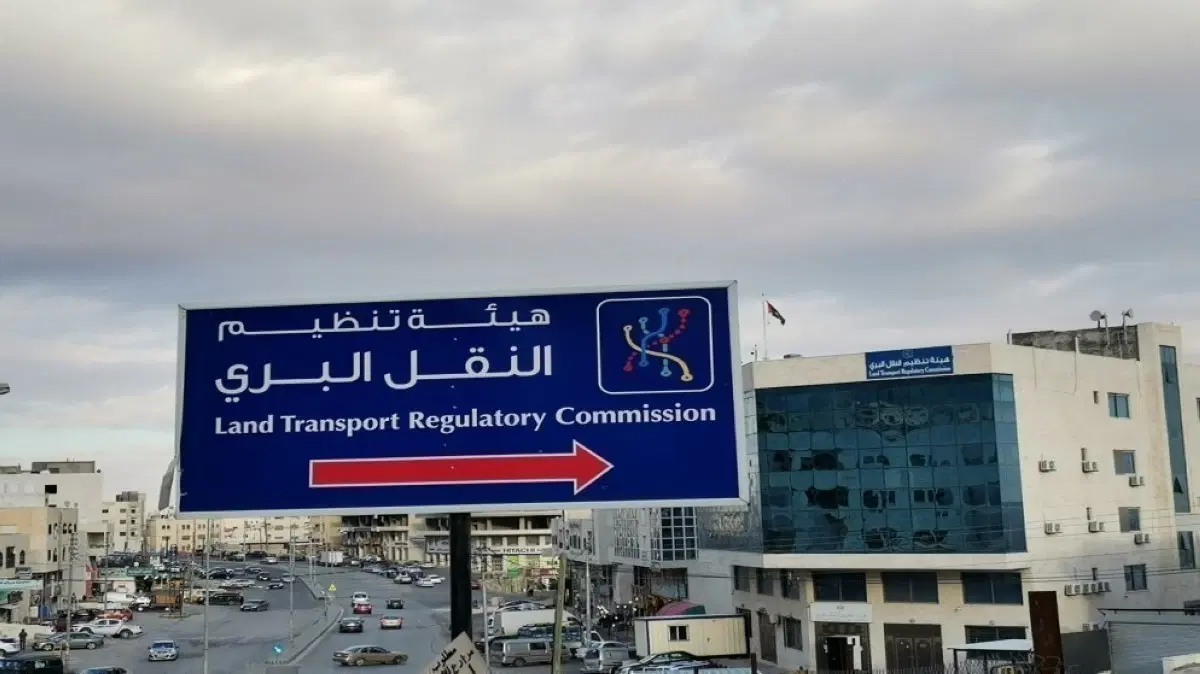
The spokesperson for the Land Transport Regulatory Authority, Dr. Abla Wsaah, said that the authority deals with the reality of public transport according to the actual needs of each line and region, confirming that the operational decisions aim to address shortages, improve service efficiency, and enhance the passenger experience.
Wsaah explained to "Alrai" that the authority monitors the reality of transport in the field and works to adjust the level of service according to the actual needs of citizens, by strengthening lines that witness greater demand, increasing capacity, updating the quality of vehicles, organizing routes, and improving access to cities, universities, and service sites.
She added that these interventions covered various governorates of the Kingdom and were not concentrated in the capital, extending to Irbid, Jerash, Ajloun, Mafraq, Zarqa, and Madaba, reaching Tafila, Ma'an, Aqaba, and border crossings, reflecting the authority's approach to addressing transport needs according to the specificity of each region and line.
She pointed out that increasing the transport capacity is done on lines that witness increasing demand, by replacing vehicles or strengthening lines with buses of larger capacity, referring to the Irbid-Amman line as one of the examples of these interventions.
Wsaah pointed out that some decisions target the organization of lines and routes and addressing the overlap between them, in addition to redistributing vehicles and unifying routes to contribute to improving operational efficiency and achieving a more regular and clear service for citizens.
She emphasized the importance of paying attention to peripheral and local areas that may not be economically viable for investors in the transport sector, pointing to the role of cooperative and charitable associations in contributing to providing transport services to these areas, which helps ensure citizens' access to basic services.
She stressed that the ultimate goal of these measures is to improve the passenger experience, so that they have a suitable vehicle, sufficient capacity, a more regular service, a clear route, and better access to the city, university, or service site.
Regarding the decisions taken by the authority within the framework of developing the public transport system, Wsaah explained that the authority follows the stages of implementing operational decisions in the field to ensure their reflection on the level of service and their response to the actual needs of citizens.
She confirmed that the authority continues to readjust the passenger transport system according to the demand and needs of the regions, enhancing the efficiency of public transport and its responsiveness in various governorates of the Kingdom.