A person might wear thick socks and warm shoes, yet still feel cold in their feet, especially as temperatures drop in the autumn. However, this problem is not always related to poor thermal insulation; it may be caused by other factors related to blood circulation, lifestyle, or certain health issues.
Doctor Svyatoslav Kropinin explained that when the body is exposed to cold, it reduces blood flow to the skin and extremities to preserve the heat of internal organs, which leads to cold feet and hands. Furthermore, a lack of movement reduces heat production in the muscles and increases the feeling of cold.
Tight socks and moisture exacerbate the problem
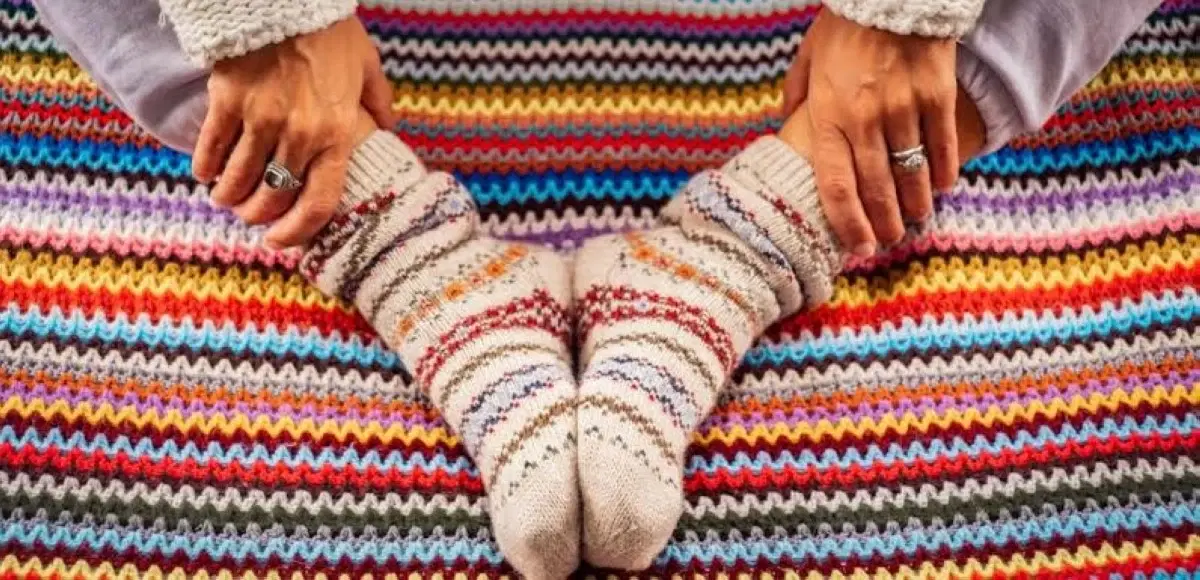
Wearing thick socks is not enough to warm the feet, as tight socks or shoes may compress the feet and hinder blood flow. Likewise, socks damp with sweat lose part of their ability to retain heat.
The doctor advises wearing comfortable, relatively spacious shoes and choosing wool socks or those made of heat-insulating materials, while ensuring the feet are kept dry and the body is moved regularly.
When should cold feet cause concern?
If cold feet appear only in cold weather and then disappear within 10 to 30 minutes after moving to a warm place, it is often a normal bodily response.
However, if the cold persists even in warm places, especially if accompanied by numbness, tingling, swelling, skin discoloration, leg pain when walking, or slow wound healing, it may indicate a health problem that requires medical evaluation.
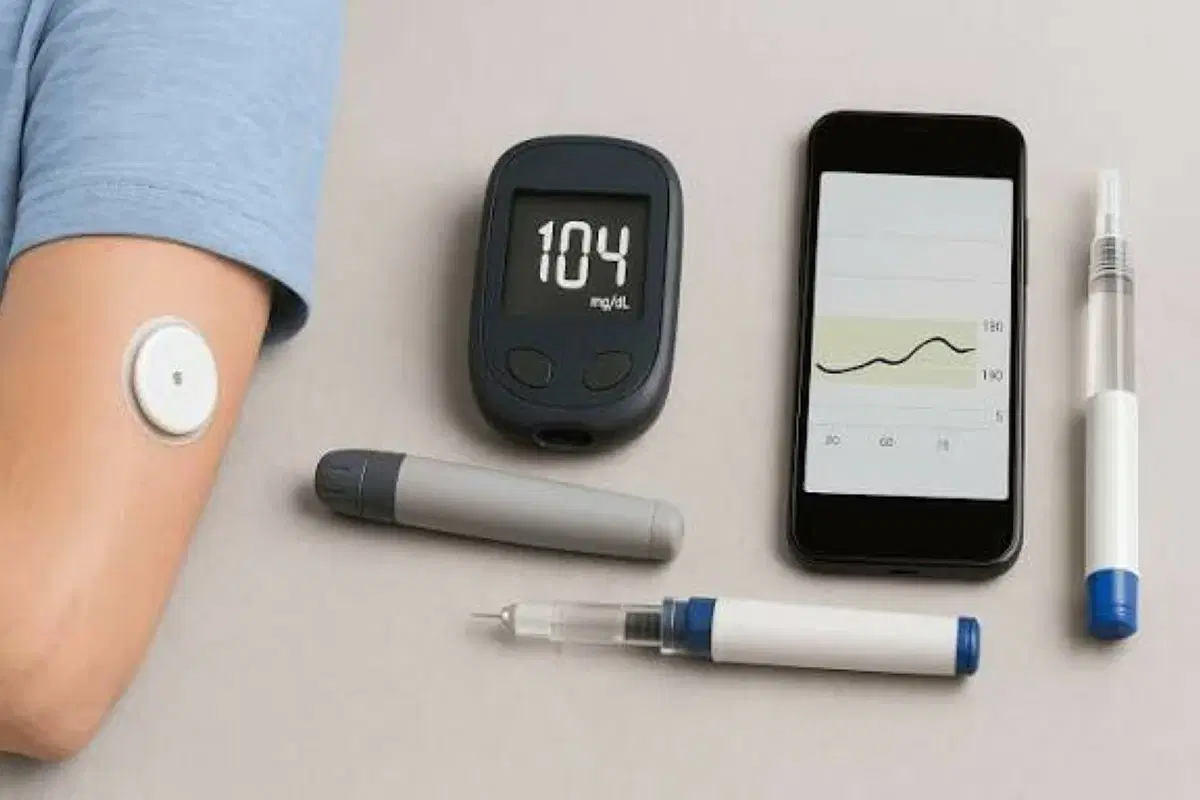
Potential causes include anemia, hypothyroidism, diabetes, and circulatory or nerve disorders. A persistent feeling of cold accompanied by weakness and weight gain may warrant a thyroid check, while facial pallor and shortness of breath may indicate anemia.
How can you warm your feet?
In addition to choosing appropriate socks and shoes, regular movement, keeping feet dry, and taking warm baths help improve the feeling of warmth. The doctor warns against relying on alcohol for warmth, as it may provide a temporary sensation of heat but actually increases the body's heat loss.
If symptoms persist or concerning signs appear, it is recommended to consult a general practitioner to determine the cause. The case may require a referral to a vascular, endocrine, or neurological specialist, depending on the symptoms and examination results.