Who Writes for the Child of 2030 at the Amman International Book Fair
Amman4 min read
Share
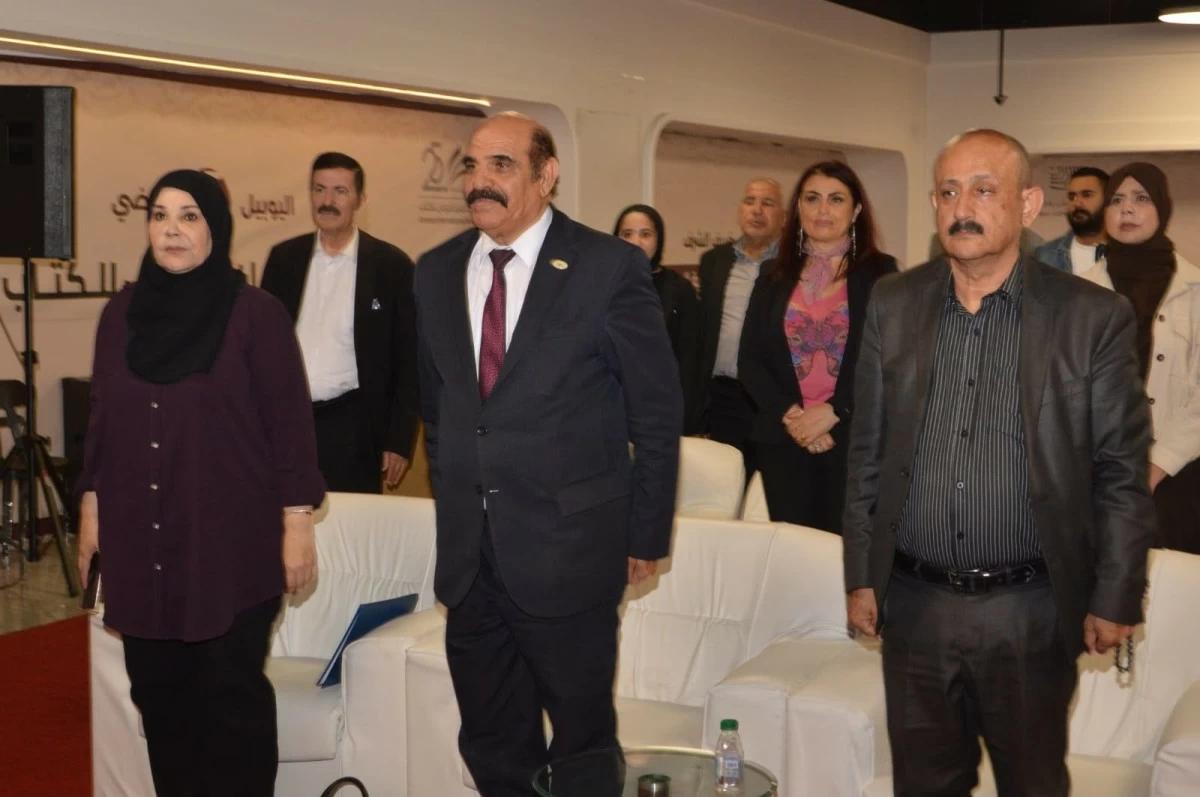
The events of the Amman International Book Fair 2026 witnessed a cultural and intellectual seminar titled 'Who Writes for the Child of 2030?', with the participation of Dr. Sarah Talib Al-Suhail, Egyptian writer Abdul Al-Zaraa, and writer Ali Al-Batiri, while Wael Abdel-Rab organized the seminar, amid the presence and interest of those interested in literature, culture, and children's literature.
The seminar addressed a number of topics related to the future of the Arab child, and the role of books, literature, and culture in building the child's personality, in light of the rapid transformations the world is witnessing, and what technology and modern means of communication impose on new generations of challenges and opportunities.
Al-Suhail emphasized during her participation that the question 'Who Writes for the Child of 2030?' goes beyond the limits of the book and the writer, to become a question related to the family, school, society, cultural and media institutions, considering everyone as partners in shaping the child's awareness and building his future.
She added that the child is not only the reader of the future, but also the maker of the future, stressing the necessity that writing directed to children be able to address their minds, respect their questions, develop their imagination, and enhance the values of knowledge, belonging, tolerance, and creativity.
She confirmed that the book directed to the child should not be just a means of entertainment, but a space for self-discovery and personality building, stressing that the word that reaches the child in his early years can leave a deep impact on his future.
In a word that carried strong messages, Al-Suhail affirmed, 'If we want to know the shape of our society in 2030, we must look at what we offer to our children today; the child we write for now is the person who will write our history tomorrow.
And we do not write for the child to read only, but we write for him to think, dream, ask, and create, as the good book does not always provide the child with a ready-made answer, but rather gives him the ability to search for the answer.'
And that the one who writes for children must possess a deep human and educational sense, and be close to the child's world, able to listen to his questions and understand his fears and dreams, away from direct preaching and indoctrination. She said, 'The real children's writer is the one who respects the child's mind, and knows that the little one is not a blank page on which we write what we want, but a human being who possesses a wide imagination, big questions, and the right to offer him a beautiful and honest text that opens the doors of knowledge and creativity before him. And whoever writes for the child must combine talent and responsibility, and the beauty of language with the clarity of the idea, and plant values in the story without turning it into a direct lesson, because the child learns from the story he loves more than what he learns from the text imposed on him.'
For his part, Egyptian writer Abdul Al-Zaraa contributed to enriching the discussion topics by presenting visions and ideas about the reality and future of writing for children, and the importance of developing Arab cultural content to suit the changes experienced by the new generation.
Ali Al-Batiri also presented a number of visions related to the child's relationship with the book and the importance of enhancing the presence of reading and literature in the lives of new generations, stressing the importance of cooperation between writers and cultural and educational institutions in building a generation that loves knowledge.
Wael Abdel-Rab moderated the seminar, who contributed to organizing the dialogue axes and highlighting the main question of the seminar, and opened the field for participants to exchange opinions on the future of the Arab child and the book that will address his mind and feelings in the coming years.
The literary Al-Suhail is one of the Arab names interested in literature, culture, and children's literature, and she has experience in poetry and literary and cultural writing, in addition to her participation in many cultural events and seminars, and her interest in issues of the child, family, and society.
At the end of the seminar, a main message emerged that the making of the child of 2030 does not start in 2030, but starts today; from the family, from the school, from the book, and from the word that reaches the child's mind and heart.
The book remains one of the most important bridges through which one can reach the child's mind and build his personality, because whoever writes for the child today participates in writing the features of the future tomorrow.