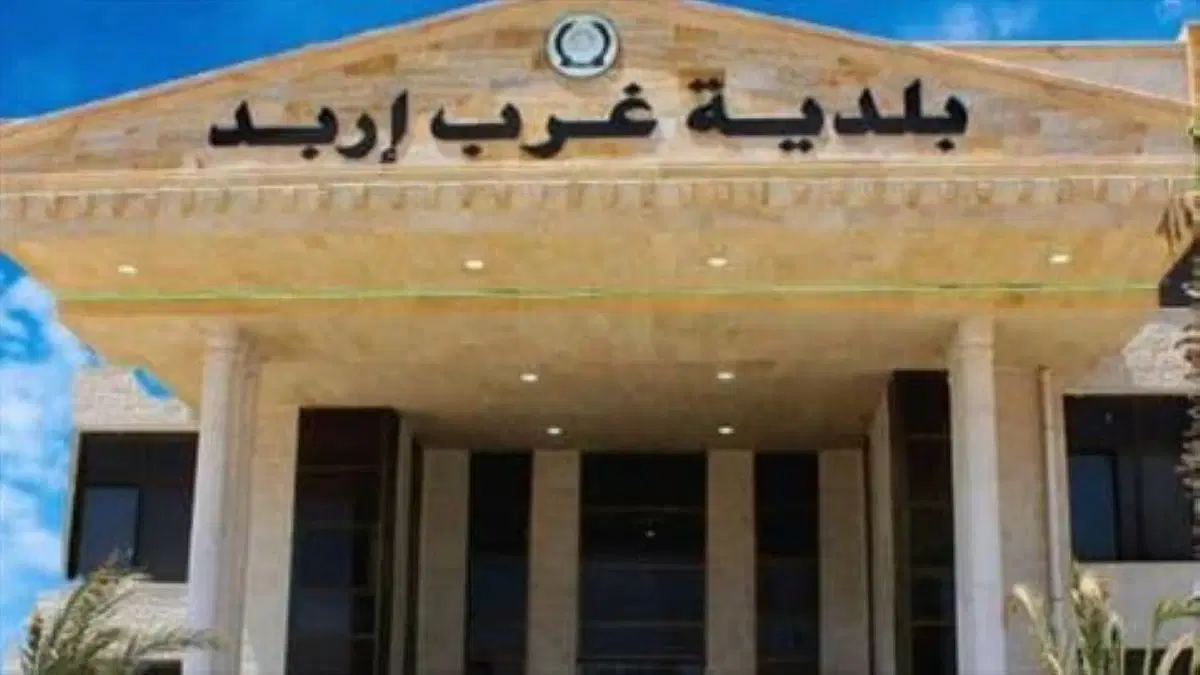
The head of the West Irbid Municipality Committee, Mohammad Ali Al-Qudah, said that the municipality has completed its preparations to face winter weather conditions by cleaning culverts and addressing hotspots prone to rainwater accumulation and floods, in addition to preparing the necessary vehicles, equipment, and personnel to handle emergencies.
He added that the municipality has issued a tender for rainwater drainage, which is currently being awarded, to help address a number of existing problems and mitigate the effects of rainwater accumulation on citizens.
Al-Qudah pointed out the importance of continuous coordination with relevant authorities to ensure rapid response and handling of any emergency, and to maintain the safety of citizens and property.
The preparation phase includes forming an emergency team from various relevant departments, preparing and maintaining vehicles and equipment, cleaning rainwater drainage networks, manholes, culverts, and open channels, identifying critical points prone to water accumulation and floods, and preparing geographically distributed field teams.
It was also decided to prepare shelters for those affected and in need, in coordination with relevant authorities, during a meeting held at the West Irbid District Governorate chaired by District Governor Khaled Al-Kasasbeh. This is in addition to contacting shop owners to ensure the safety of advertising signs, monitoring locations that need earth and sand barriers, educating citizens on securing solar energy systems and water tanks, and training personnel in cooperation with the Civil Defense Directorate.
In the response phase, the emergency room works to receive citizens' reports and direct field teams to danger sites, in coordination with competent authorities to manage traffic and close dangerous roads when necessary, deal with water accumulations and obstacles caused by wind, and publish alerts and instructions through media outlets and the municipality's official pages.
The plan concludes with the post-emergency phase, by restoring conditions to normal, removing the effects of water accumulation, repairing malfunctions, evaluating team performance, and documenting reports, interventions, damages, and lessons learned to improve future emergency plans.
The plan includes a map of critical locations and a shift schedule for personnel, vehicles, and equipment.
The municipality called on citizens to avoid flood channels and low-lying areas, and to report emergencies through approved communication channels, emphasizing that the safety of citizens is its priority.