Governor of Irbid Chairs Expanded Meeting to Raise Readiness and Prepare for Weather Conditions
Activating Executive Plans, Inspecting Hot Spots, and Checking Wadis in Irbid
Amman2 min read
Share
Governor of Irbid, Firas Abu Ghannam, called for utilizing all available means to warn against various risks during the winter season, and the necessity of activating and understanding the early warning system in all state institutions in direct coordination with all concerned parties according to their specialization, to ensure raising readiness and quick response to developments.
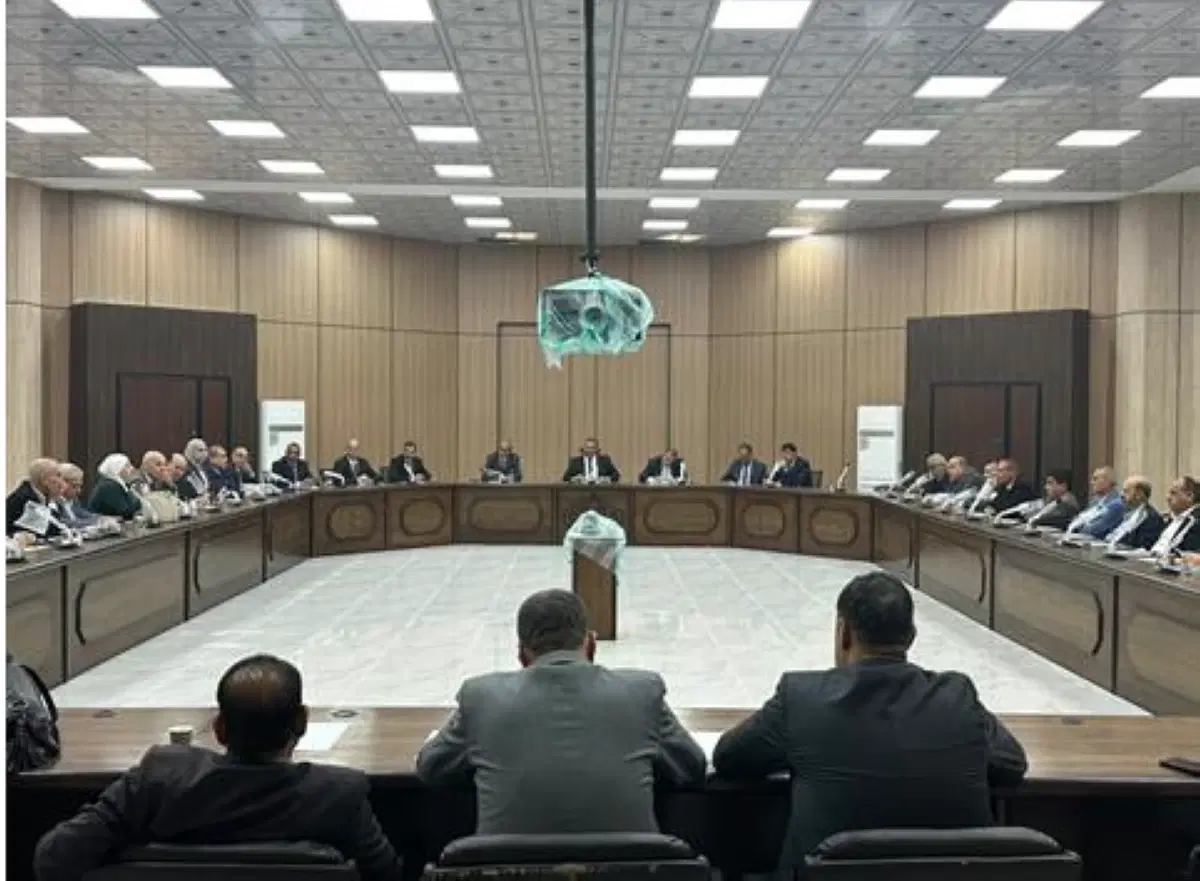
This came during the expanded meeting held today Sunday at the governorate building, at exactly nine o'clock in the morning, chaired by Abu Ghannam and attended by a number of mayors, executive directors concerned with weather conditions, heads of municipal committees, and the joint services council in the governorate, in the context of preparing and getting ready to raise readiness to deal with weather conditions that may lead to the formation of wadis, rising water levels, erosion, and closures, and what these circumstances require in terms of taking preventive and proactive measures sufficient to limit their effects to preserve the safety of citizens and their properties.
Abu Ghannam emphasized during the meeting the importance of identifying hot spots and places and sites that witnessed during the past year large amounts of rain, torrential wadis, and require improvement works that exceed the capabilities of municipalities and the Jordan Valley Authority, in order to provide the governorate and concerned ministries with the necessary logistical capabilities and mechanisms and overcome any delay in the speed of response.
The governor stressed the need to activate local civil defense committees and executive plans within the areas of jurisdiction, raise the readiness level of technical teams and specialized emergency mechanisms, in addition to inspecting the infrastructure of rainwater drains, bridges, and sewage networks, pruning trees that pose a danger to electricity and communication cables, and inspecting generators and water suction pumps in vital establishments and hospitals.
Abu Ghannam also urged the relocation of residents near wadis and wadis, especially those living in tents, to safe areas and providing them with appropriate shelters to preserve their lives, noting the importance of continuous coordination and working as one team to face all unusual circumstances during the coming winter.