Universities organize activities to promote scientific research and academic excellence
Amman4 min read
Share
Universities organized, on Wednesday, events and community initiatives aimed at promoting scientific research and academic excellence, consolidating social solidarity, and raising awareness of traffic safety.
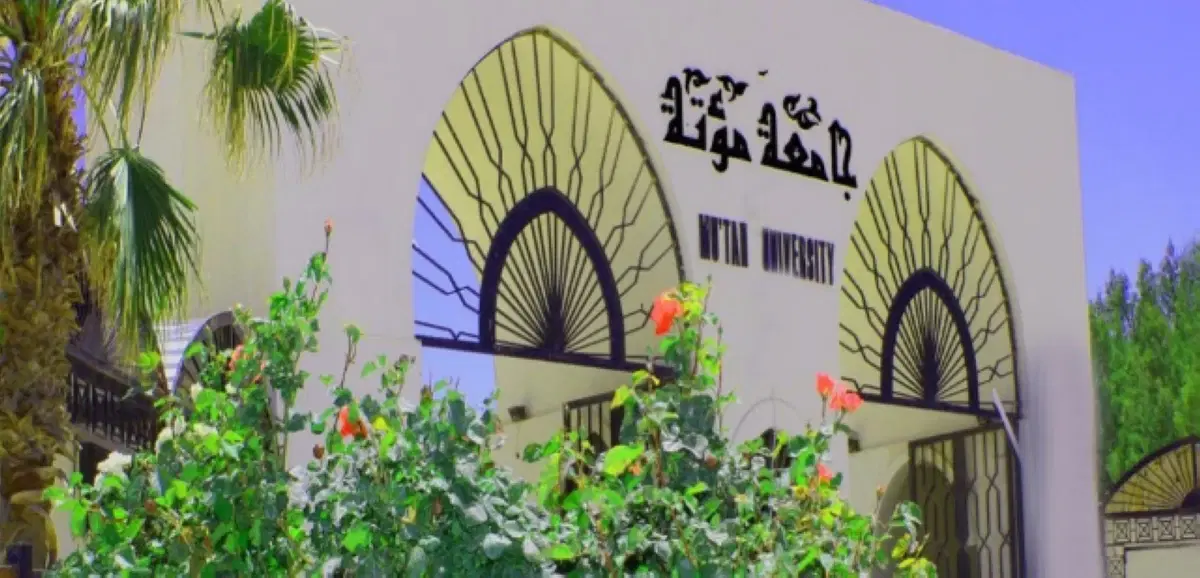
At Mutah University, 9 faculty members and researchers were included in the list of the top 2 percent of scientists and researchers worldwide for 2026, according to the scientific database issued by Stanford University in cooperation with the international publishing house "Elsevier".
The University President, Dr. Salameh Al-Naimat, affirmed that this achievement reflects the distinguished scientific level enjoyed by the university's researchers and the efforts they exert in developing knowledge and producing scientific research of value and impact, noting that the university attaches great importance to scientific research as one of the fundamental pillars of academic excellence and institutional progress.
He added that Mutah is moving forward in strengthening the research environment, supporting its scientific competencies, and expanding research cooperation opportunities, which contributes to enhancing its presence in international scientific forums and consolidating its position among universities.
The list included Dr. Ahmed Al-Hasanat, Dr. Imad Al-Zoubi, Dr. Mazen Al-Khaitan, Dr. Nidal Al-Dmour, Dr. Saad Al-Rawashdeh, Dr. Israa Al-Harasis, Dr. Hamoud Al-Dmour, Dr. Nour Al-Qatawneh, and Dr. Abeer Al-Qaralleh.
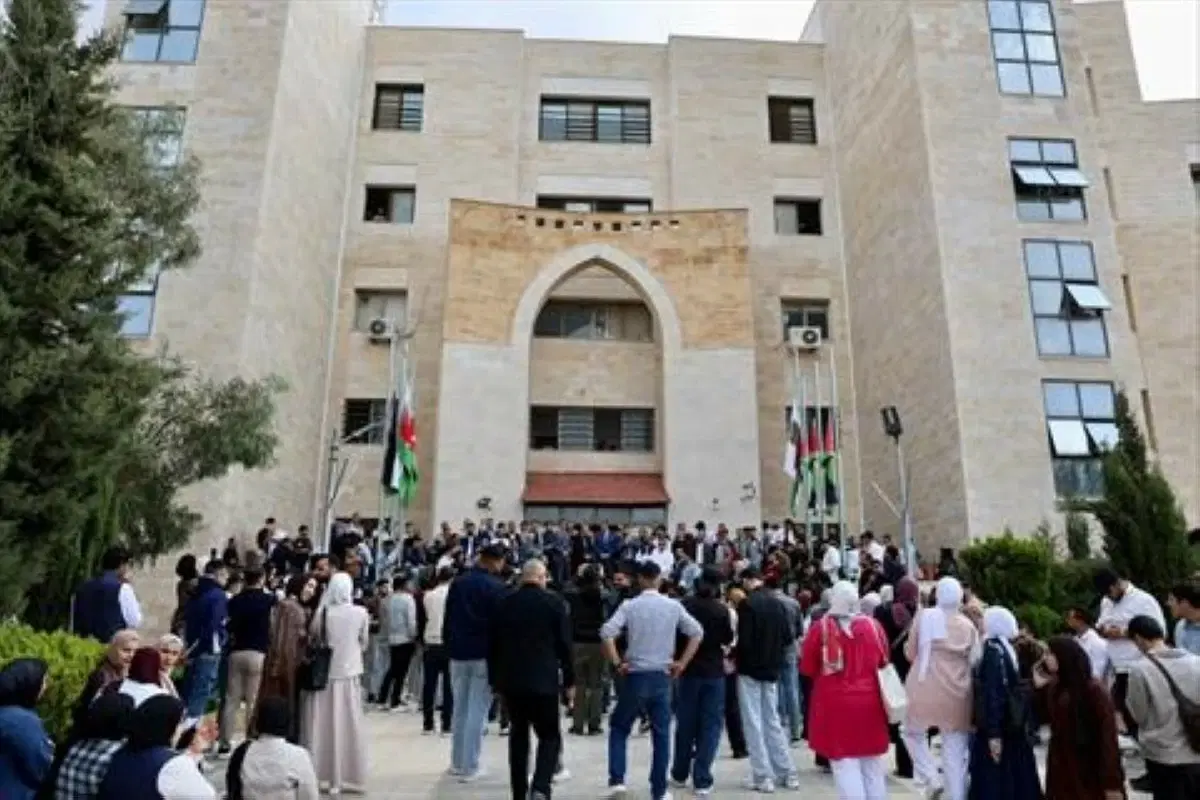
The university's Model School also organized a charity campaign to distribute winter clothing, as part of its community role and its keenness to promote the values of solidarity and cohesion.
The University President, while sponsoring the campaign and in the presence of his Vice President for Administrative Affairs, Dr. Mohammed Al-Sarayrah, emphasized that charitable and humanitarian initiatives represent an important aspect of the university's national and community mission, noting that the role of universities is not limited to education and scientific research, but extends to include active contribution to serving the local community, responding to its needs, and fostering a spirit of shared responsibility.
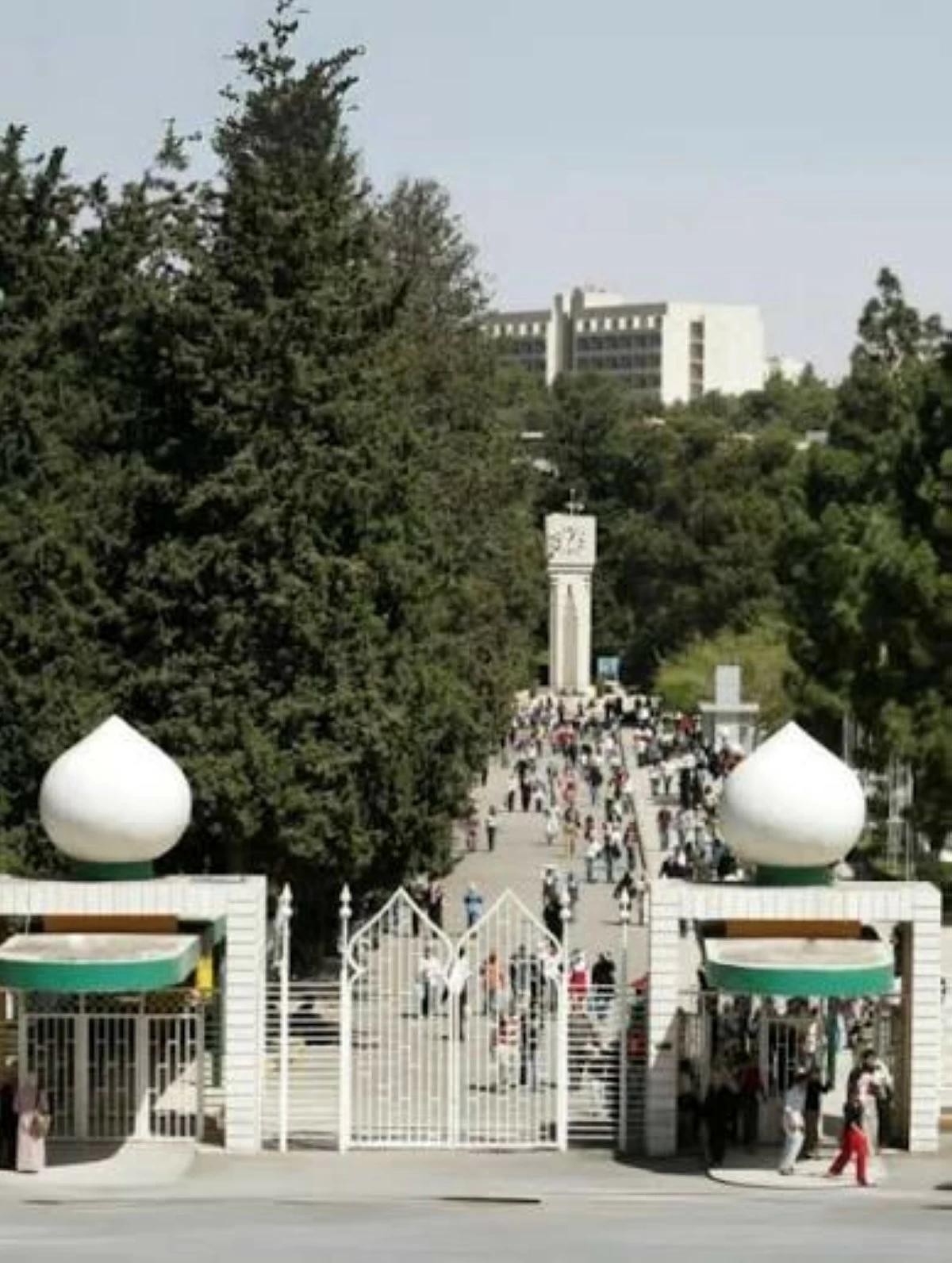
At Al-Bayt University, the university hosted the "Safe Winter" campaign launched by the Public Security Directorate, with the aim of enhancing traffic safety, raising drivers' awareness of its importance, and ensuring the technical readiness of vehicles with the onset of winter.
The campaign includes providing facilitation services to university employees who own vehicles by conducting technical inspections of their vehicles on campus, which saves them the time and effort required to visit specialized centers and allows them to benefit from this service easily and conveniently.
It also included conducting technical inspections of vehicles to ensure the functionality of windshield wipers and water sprayers, front and rear lights, turn signals, reflectors, reverse lights, and brakes, in addition to the safety of tires, side mirrors, seat belts, window lifters, and the readiness of heating systems that contribute to preventing fogging on the glass.
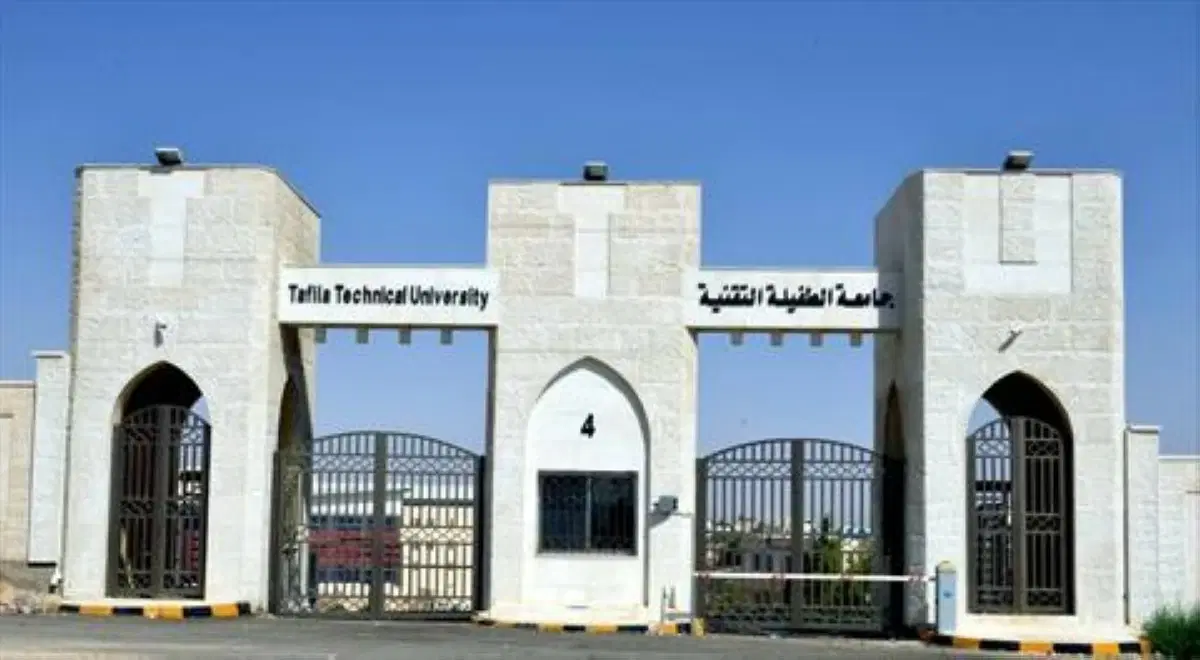
At Ajloun National University, the Dean of the Faculty of Agriculture, Dr. Ibrahim Al-Tahat, participated in the 2026 Science and Innovation Forum organized by the Food and Agriculture Organization of the United Nations (FAO) in Rome, at the invitation of the organization, during an international panel discussion that addressed ways to develop agricultural extension and advisory services to enhance food security for smallholder farmers.
Al-Tahat emphasized that developing agricultural education requires moving beyond theoretical knowledge to practical application in a way that enhances the ability of graduates to serve farmers, respond to their needs, and contribute to achieving food security and sustainable agricultural development.
Dr. Al-Tahat's participation addressed the importance of developing the agricultural extension system and enhancing the integration between academic education and practical application, which contributes to enabling farmers to face agricultural challenges, improve productivity, and sustain natural resources, especially in light of water scarcity and limited resources.
The intervention focused on the importance of involving farmers in knowledge production, exchanging experiences, and making evidence-based decisions, in addition to strengthening cooperation between universities and institutions concerned with agricultural extension, developing training programs in Arabic, and activating participatory learning methods and farmer field schools.