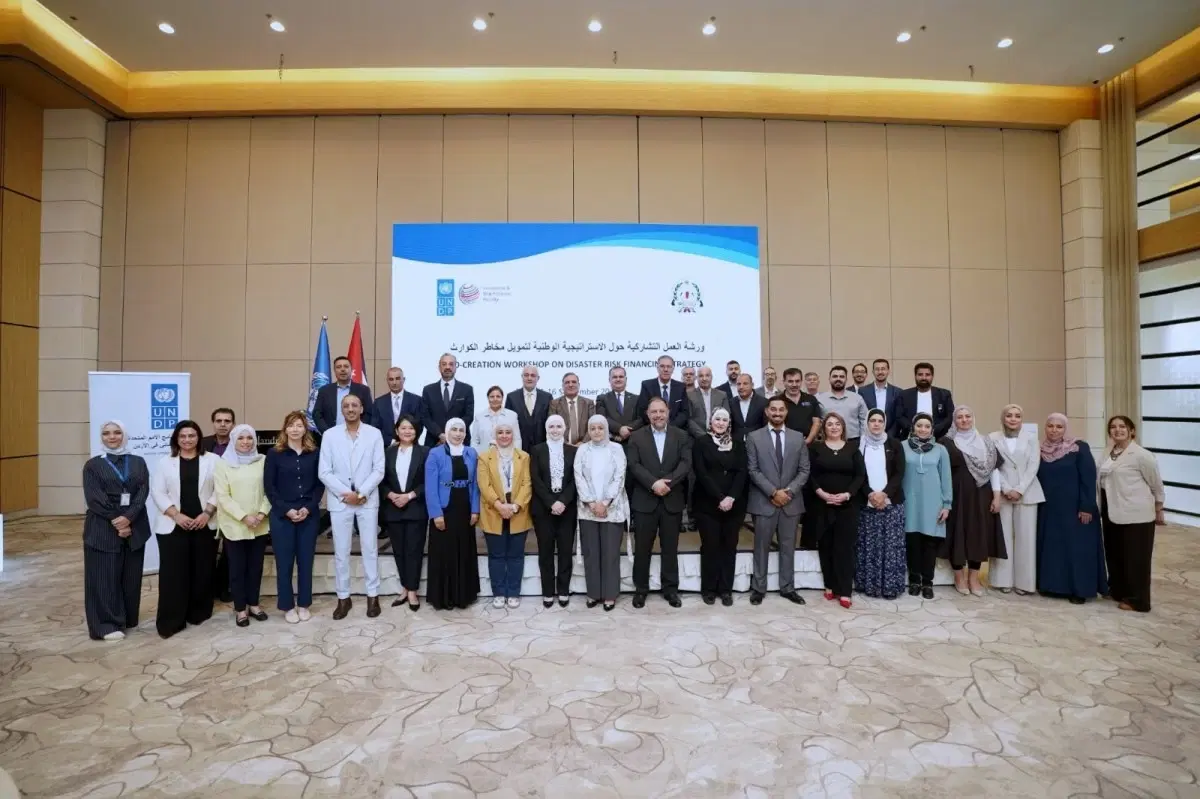
The workshop comes as part of supporting national efforts to complete the National Disaster Risk Financing Strategy, as a comprehensive framework for identifying the tools and mechanisms necessary for managing and financing disaster-related risks in a coordinated and sustainable manner, thereby enhancing the Kingdom's ability to prepare for and respond effectively to climate shocks, and protect the most vulnerable to their repercussions.
The workshop aims to review and revise the current draft of the strategy, identify priority interventions, financing mechanisms, and necessary institutional arrangements, and build consensus among stakeholders on priorities and next steps.
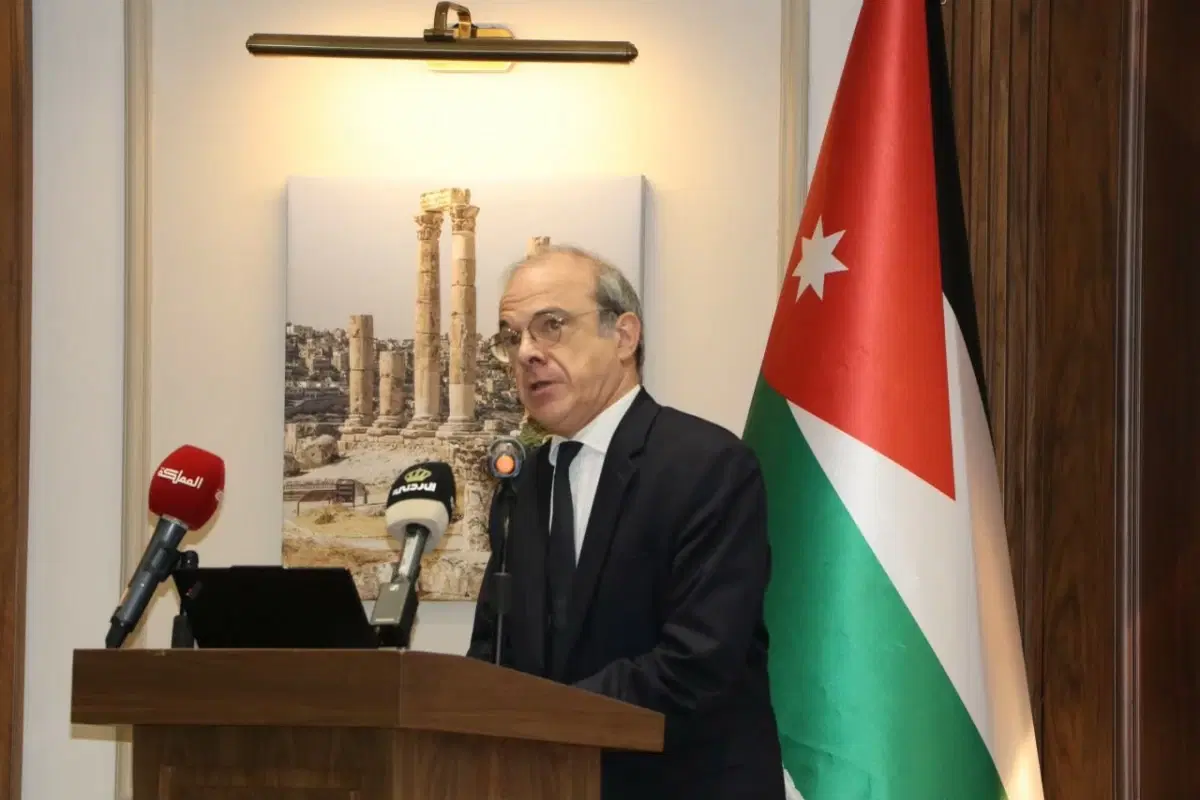
A representative of His Excellency Dr. Saeb Khraisat, Minister of Agriculture, Engineer Khaled Al-Tlafah, confirmed that the agricultural sector faces increasing climate risks in terms of severity and frequency, from prolonged droughts and sudden floods to frost waves and extreme heat, which directly affect the income of tens of thousands of farming families and the stability of rural communities, especially small farmers who are most exposed to these shocks.
He pointed out that the agricultural sector affects 23.5% of the national economy, thanks to its forward linkages with other economic sectors. He confirmed that completing the National Disaster Risk Financing Strategy will enhance existing efforts, primarily the work of the Agricultural Risk Management Fund, which was established in 2009, and the Agricultural Risk Reduction Law of 2025. It will also contribute to linking these tools within an integrated national system that aligns with the economic modernization vision, the national sustainable agriculture plan, and the national food security strategy.
On this occasion, Ms. Majda Al-Assaf, Deputy Resident Representative of the United Nations Development Programme in Jordan, said: "The National Disaster Risk Financing Strategy represents a shift from financial response after shocks to proactive planning for their management and preparedness. The essence of this shift lies in building a graduated approach to risk financing, combining resources allocated for risk retention within the public budget, pre-arranged emergency financing instruments, and risk transfer mechanisms to insurance and reinsurance markets."
She added: "Enhancing awareness of the importance of comprehensive insurance, expanding the scope of agricultural insurance, and adopting innovative tools, such as index-based insurance, are important pillars for protecting individuals, farmers, and small businesses from the financial impacts of shocks. This workshop reflects a participatory approach that solidifies national ownership of the strategy and brings stakeholders together around clear implementation priorities."
UNDP's support for this process comes through the Insurance and Risk Financing Facility, part of the Sustainable Finance Center of the Program, which works with governments and partners to enhance the capacity to manage the financial impacts of risks, and integrate insurance and risk financing into national development policies and frameworks. The facility focuses on supporting the transition from financial response after disasters to proactive planning, through the development of appropriate financial policies and tools, strengthening institutional capacities, and leveraging data and analytics for more informed decision-making.
Globally, the facility supports the development of a new generation of insurance products and services designed to meet the needs of markets and groups that do not have adequate insurance protection, alongside building a base of research and evidence to enhance understanding of the role of insurance and risk financing in supporting sustainable development, stimulating economic growth, and protecting the most vulnerable.
The workshop's outputs, including areas of consensus and the proposed roadmap, are expected to provide direct input for the final drafting of the strategy.