Completion of the project to preserve the findings of the Southeastern Badia
Amman3 min read
Share
The activities of the (FEF-R MASEJ) project, concerned with preserving, documenting, and highlighting the cultural value of the exceptional archaeological findings in the Southeastern Badia, concluded today, Wednesday, at the Department of Antiquities. The project is supported by the French Embassy in Jordan and funded by the French Ministry for Europe and Foreign Affairs, as part of the "France Team – Rapid Response" (FEF-R) fund.
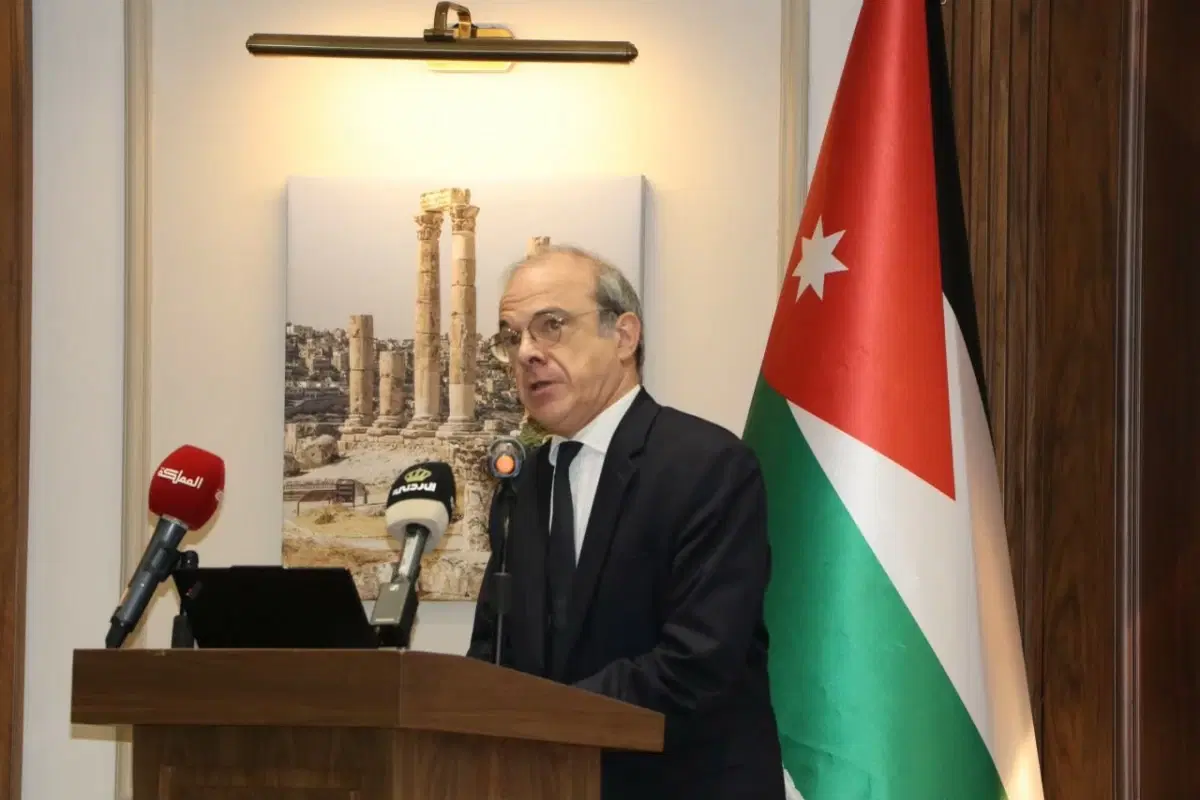
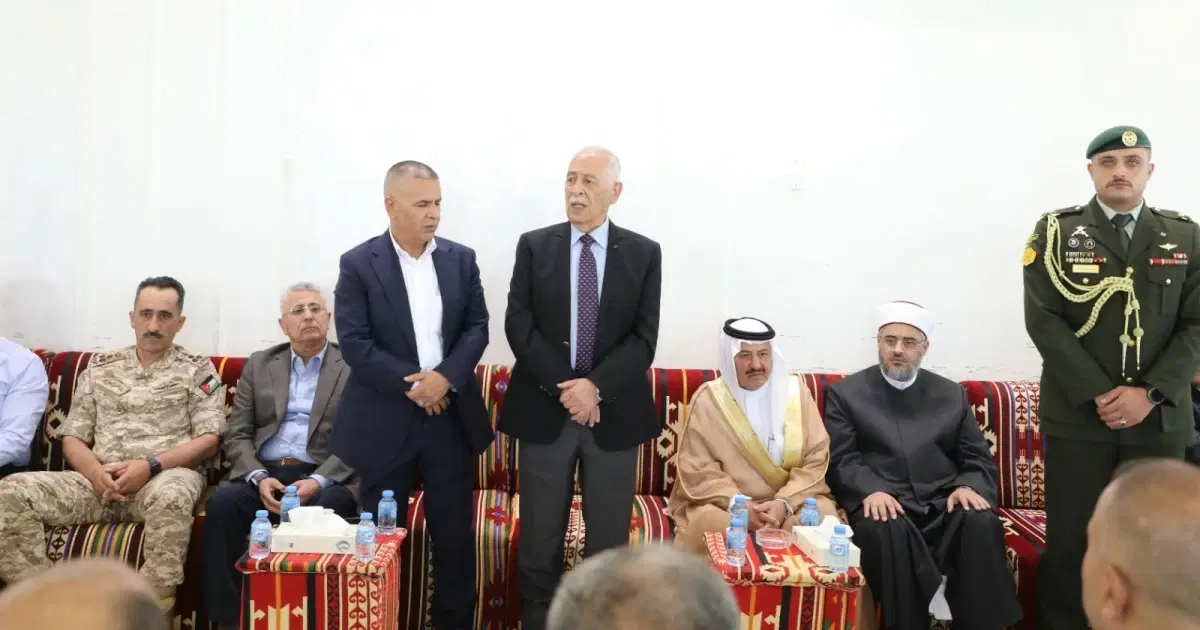
The ceremony was attended by the Director-General of the Department of Antiquities, Prof. Fadi Bala'awi, Jean-Christophe Augé, First Counselor and Deputy Head of Mission at the French Embassy in Jordan, and Tara Steimer, Head of the Archaeology Department at the French Institute for the Near East (Ifpo), alongside project participants.
The project is based on the results of the Mission Archéologique Sud-Est Jordanien (MASEJ/SEBAP), which has been operating since 2012 through a partnership between Al-Hussein Bin Talal University and the French Lumière University Lyon 2, via the "Archéorient" laboratory of the French National Centre for Scientific Research (CNRS), with support from the French Institute for the Near East.
The Jibal al-Khashabiyeh area, located about 90 kilometers east of Al-Jafr, witnessed the discovery of mass hunting traps known as "desert kites," dating back about 9,000 years, alongside previously unknown Neolithic settlements dubbed the "Ghassanian Culture." Excavations also revealed two ritual structures containing anthropomorphic sculptures, small animal stone figurines, marine fossils, and miniature architectural models of hunting traps.
The project focused on three main pillars: studying and restoring about thirty artifacts at the Regional Center for Conservation and Restoration in Jerash, in cooperation between Jordanian staff and French specialists from the National Heritage Institute (INP); documenting archaeological collections using photogrammetry, 3D scanning, and Reflectance Transformation Imaging (RTI) techniques; and providing the Department of Antiquities with specialized equipment and training its staff on its use.
The project also included the preparation of a museum design and scenography study, completed by the French company "Les Charrons," with the aim of proposing the integration of the findings into the permanent exhibition path at the Petra Museum, in preparation for making them accessible to the public.
The project embodies the depth of French-Jordanian cooperation in the fields of archaeological research, cultural heritage preservation, exchange of expertise, and professional capacity building. It also highlights the importance of Jordan's prehistoric and Neolithic heritage and its role in understanding the economic, social, and cultural transformations witnessed in the Near East.
The closing ceremony served as an occasion to review the most prominent scientific and technical results of the project, discuss prospects for continued cooperation in the fields of conservation, restoration, and training, and enhance the presence of these exceptional findings within museum displays, allowing the public to learn about this important aspect of Jordan's history.