The Urban Heritage of Karak City: A Living Document of Place and Human Memory
Calls for Documentation and Restoration of Ancient Buildings
Amman6 min read
Share
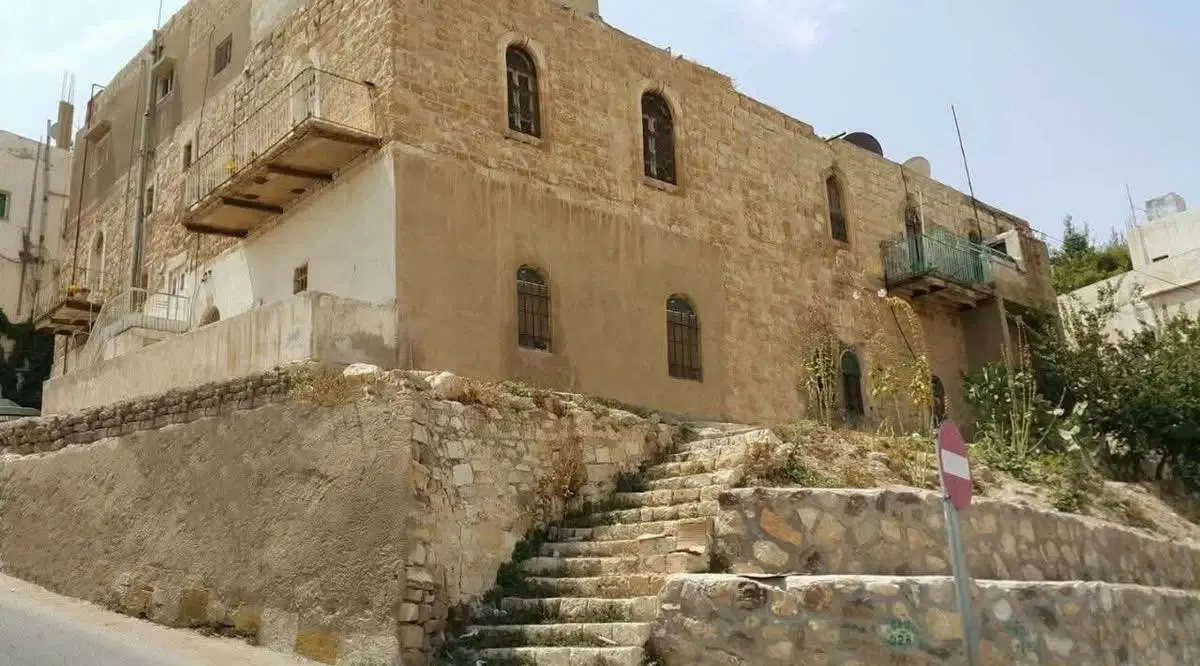
The ancient city of Karak is rich in a glorious history, an archaeological castle, ancient heritage houses, and archaeological and religious landmarks that together form a complete urban fabric with distinctive architectural elements reflecting the historical and civilizational depth of the city and its evolution over time, as well as the nature of the local community.
Researchers and those concerned with the heritage and architectural affairs in Karak believe that the value of ancient buildings goes beyond being physical structures to being a living document carrying the memory of the place and the human, pointing out that preserving the ancient architectural fabric in Karak requires the preparation of integrated strategies with the participation of official bodies and the local community to document and restore ancient houses and buildings by adopting precise engineering methods that preserve the authentic architectural and stone character of the heritage houses, preventing their removal, protecting them from the encroachment of modern construction, and utilizing them for tourism purposes by converting them into museums, handicraft centers, restaurants, cafes, and heritage inns.
They pointed to the importance of applying environmentally friendly tourism practices and reviving the old streets and markets by developing pedestrian paths, linking heritage sites to tourism activity programs, and supporting local initiatives in preserving heritage to support local development and provide job opportunities.
Researcher Wissam Al-Jaafari told «$» The architectural heritage of Karak City is one of the most prominent material evidence of its civilizational depth and the diversity of its historical stages; civilizations and historical periods have succeeded each other in the city, starting from the Moabite, Nabataean, Roman, and Byzantine eras, passing through the Islamic eras, reaching the Ottoman era and the emirate phase and subsequent modern urban transformations.
He added, “The geographical location of Karak, located on a high and naturally fortified plateau, has contributed to shaping its urban characteristics, linking the construction in it to the necessities of protection and defense, alongside the social and economic requirements of the population.
He pointed out that Karak Castle leads the architectural and historical scene of the city, as it is one of the most prominent historical castles in the Levant, and its construction and development stages were linked to the Crusader era, then witnessed modifications and additions during the Ayyubid, Mamluk, and Ottoman eras, and the importance of the castle was not limited to its defensive function, but it became a fundamental element in shaping the identity and urban landscape of the city, and a witness to the political and military transformations that Karak has undergone over the centuries.
Al-Jaafari continued, “The value of the architectural heritage is not limited to the castle alone, but extends to the urban fabric of the old city, including heritage houses, mosques, shrines, markets, and public and religious buildings. Traditional construction relied primarily on local limestone, which allowed the population to build structures that suited the nature of the environment and climate, and used in architecture stone arches, vaults, arches, and domed ceilings, alongside courtyards and internal squares, which contributed to achieving a balance between durability, function, and beauty.”
He explained that the old neighborhoods in the city reveal a cohesive urban pattern represented by narrow alleys, adjacent houses, passages, and squares, which were not just construction components but were linked to the social life pattern of the population, and the nature of family, commercial, and community relations that prevailed in the city. The old markets, public facilities, and mosques contributed to establishing Karak's status as an administrative, commercial, and religious center in southern the Levant.
Regarding the buildings dating back to the late Ottoman era and the early emirate period, he stated that they have gained special importance in studying the evolution of architecture and local administration in Karak; they reflect the city's gradual transition from traditional building patterns to patterns more closely linked to modern administrative, educational, and service institutions, and the political, administrative, and social transformations that Karak witnessed during that stage. He emphasized that the architectural heritage of Karak, as a whole, is a living material record of the city's memory, where layers of history intertwine with the details of the daily life of the population, so preserving the heritage buildings and sites should not be limited to structural restoration but should be based on scientific documentation, studying building materials and construction methods, determining the historical value of each building, and preserving the integrated urban fabric of the old city.
Hence, Al-Jaafari highlighted the importance of utilizing Karak's architectural heritage in the fields of historical documentation, cultural tourism, and sustainable local development, involving the local community in its protection and promotion, considering that the heritage building is not a silent stone but a document carrying the memory of the place and narrating a part of the history of the Karakite human, linking the present with successive stages of the city's history, which forms an integral part of the Jordanian national identity.
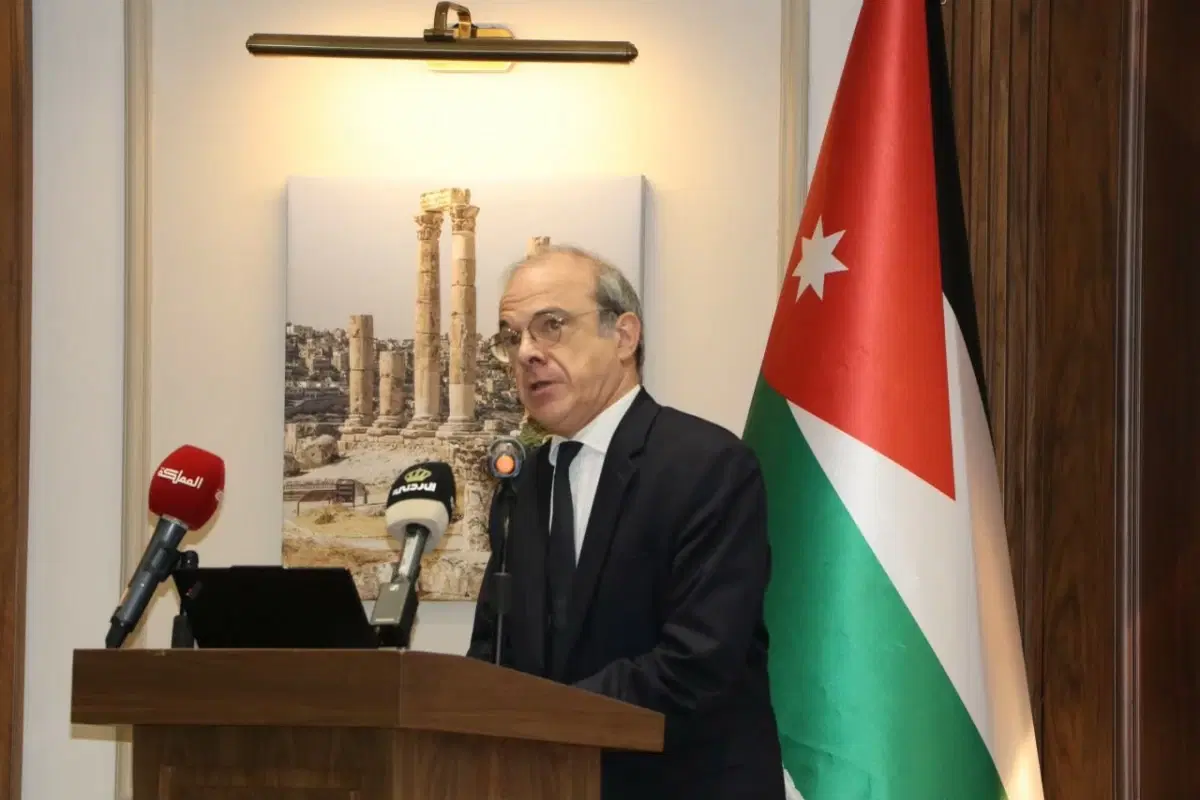
In a ceremony held at the Al-Hassan Cultural Center, the project “Architectural Studies for the Revival of Karak City” was launched, prepared by students of the Department of Architecture at Mu'tah and Jordan Universities, under the supervision and follow-up of a group of faculty members, and in constructive cooperation with the Karak Development Foundation. During the ceremony, the historical spaces in Karak City were re-read, and (6) areas were documented with their archaeological sites and heritage buildings, and design concepts were presented that disassemble and reassemble Karak's cultural heritage and link the past with promising future horizons.
In this context, the President of the Karak Development Foundation, Engineer Samir Al-Habashneh, stated that the launch of these studies will be the starting point for their implementation on the ground, where the Foundation will adopt them within the projects of the Royal Committee tasked with developing Karak City, as part of the projects that the Committee is working to complete in implementation of the Royal vision to keep Karak, with its rich and authentic history, a vibrant city that sees the stories of the past and preserves its fragrance with a modern engineering vision.
For his part, the Director of the Karak Governorate Tourism Directorate, Sateh Al-Musa'ideh, said that the National Committee for the Protection of Urban and Heritage, chaired by the Minister of Tourism and including government institutions and experts, is responsible for setting the foundations and standards for preserving urban and heritage, and recommending to the Council of Ministers to adopt heritage sites, document them, and include them in the Urban Heritage Register after their study and evaluation by the specialized technical committee.
He explained that Karak City includes many heritage and archaeological buildings, whether owned by the Ministry or registered as Islamic and Christian endowments, and so far, (12) buildings have been registered in the Urban Heritage Register.