Washington confirms continued arming of Kyiv
Europe moves to contain the repercussions of the conflict
Follow Al Rai

Strikes target two ships in the Black Sea
Washington confirms continued arming of Kyiv
Europe moves to contain the repercussions of the conflict
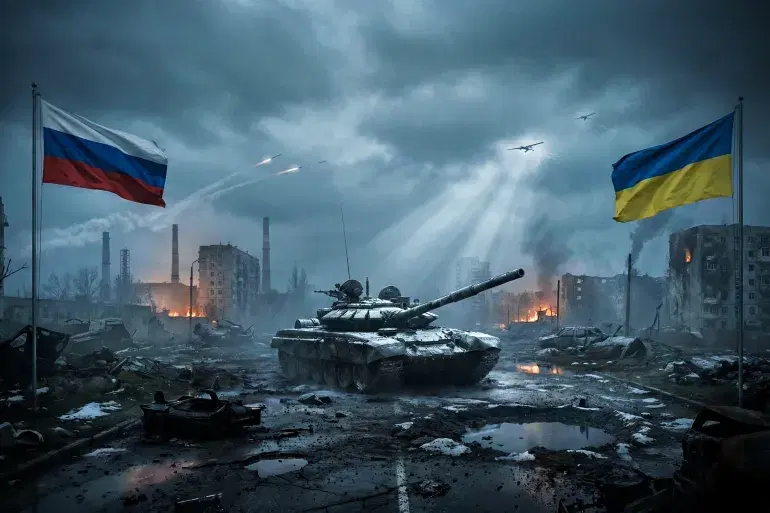
The repercussions of the Russo-Ukrainian war continue on both military and political levels, amid growing fears of the conflict expanding in the Black Sea and its effects extending to the security of international navigation and trade, at a time when Ukraine is facing challenges related to the continued flow of American weapons, while the European Union seeks to push forward negotiations for Kyiv's accession to the bloc.
These developments come in tandem with European anticipation of a review of the American military deployment on the continent, amid questions about the future of Western support for Ukraine and the ability of European countries to strengthen their security in light of escalating tensions.
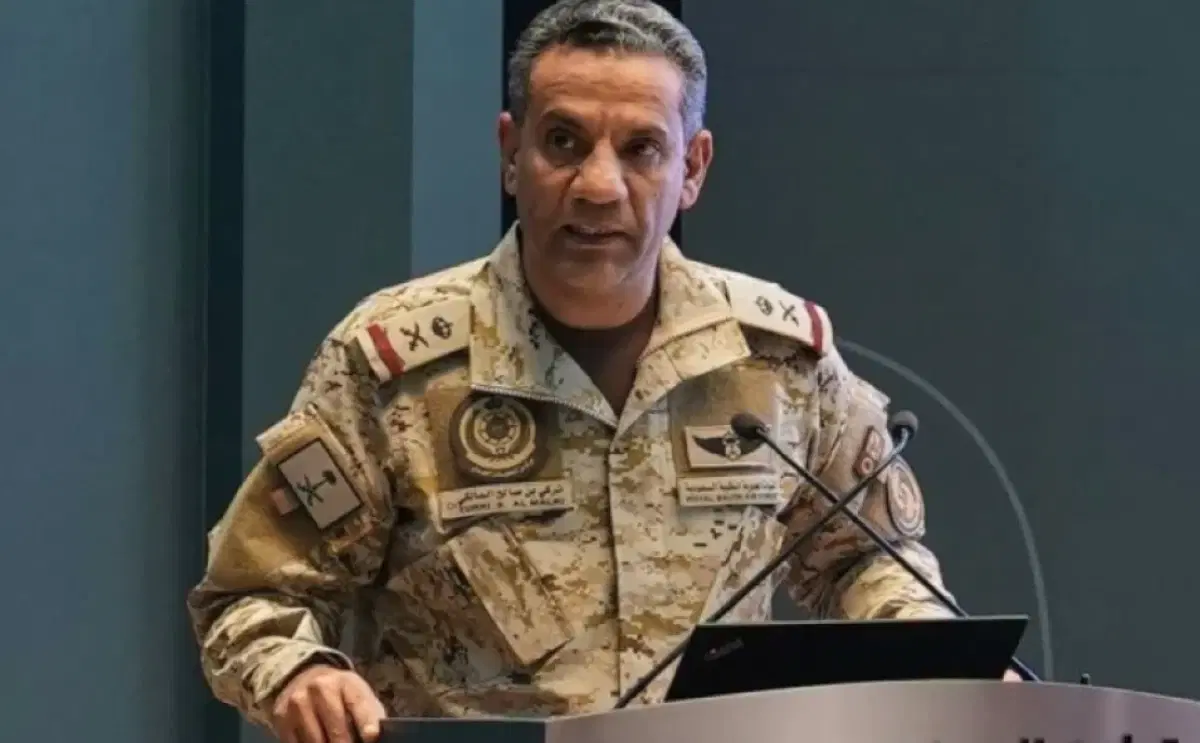
The United States Ambassador to NATO, Matthew Whitaker, confirmed that the mechanism for supplying Ukraine with American weapons is ongoing, denying knowledge of any change to the program that allows European countries to purchase American weapons and transfer them to Kyiv, in response to press reports stating that President Donald Trump's administration threatened to suspend the program if Ukrainian attacks on Russian energy facilities continue.
In an interview with Agence France-Presse (AFP) on the sidelines of the Warsaw Security Forum, Whitaker said he did not wish to comment on reports he described as unconfirmed, adding that the United States continues to sell its equipment and ammunition to its European and Canadian allies, who in turn provide them to Ukraine.
He confirmed that he is not aware of any change to the "PURL" program, which allows for the purchase of American weapons with European funding.
These statements come at a time when Trump is seeking to contain the pressures resulting from rising fuel prices ahead of the US midterm elections, through steps that included easing some sanctions imposed on Moscow to allow for diesel exports, and the announcement on Sunday of a halt to reciprocal strikes on energy facilities.
According to the Financial Times, the US administration hinted at suspending the program to arm Ukraine in the context of these developments.
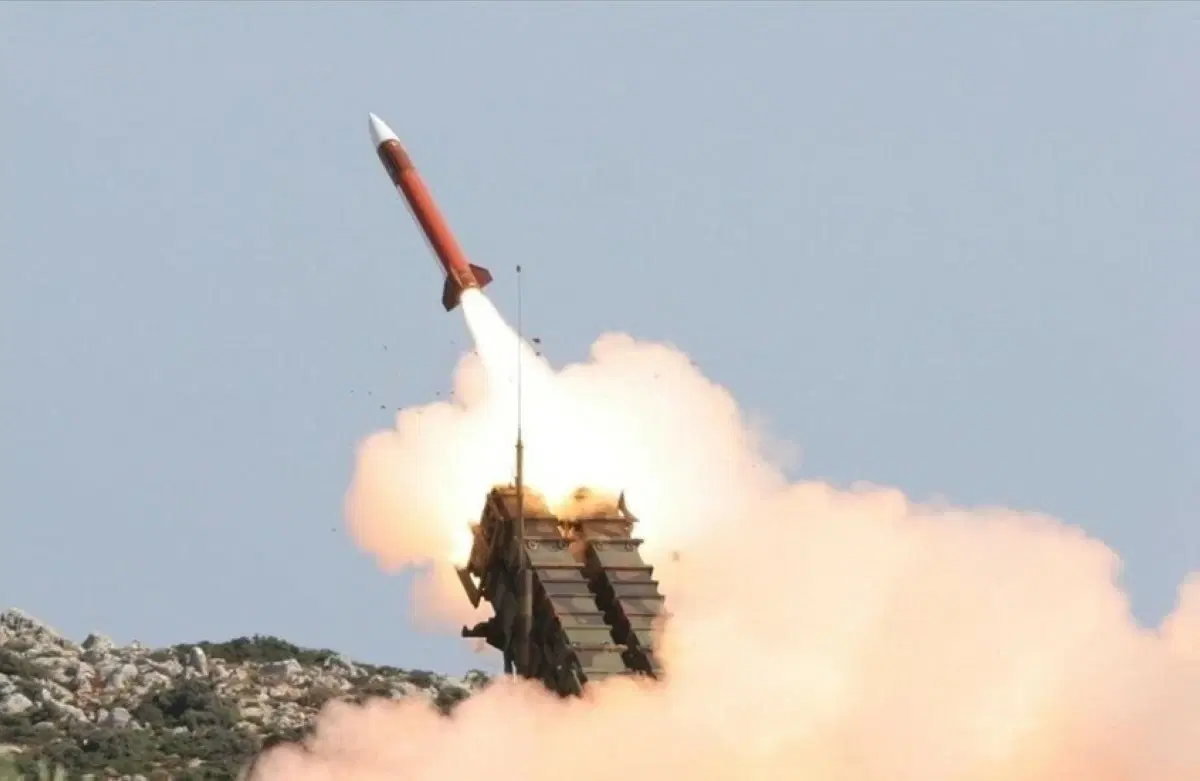
Despite confirming the continuation of the program, Whitaker acknowledged that the available equipment does not meet all Ukrainian needs, especially in the field of air defense, in light of the high demand for systems capable of intercepting missiles and drones.
He indicated that several companies are working on developing new means to counter projectiles, expressing his belief that the current shortage represents a short-term challenge that can be addressed.
The US Ambassador warned that Ukraine is facing a winter during which electricity and heating facilities could be subjected to significant pressure if the targeting of energy infrastructure does not stop.
He explained that Washington is working with its allies who possess air defense systems to accelerate their transfer to Ukraine by searching for available stockpiles and increasing production on both sides of the Atlantic.
In parallel, European countries are awaiting the results of the American review of military deployment on the continent, amid fears that it could lead to a reduction in American troops and bases.
Whitaker tried to reassure the allies, confirming that Washington is keen to avoid creating security gaps in the European defense system.
He pointed out that European countries have significantly increased their military spending, after agreeing last year to the goal of raising security-related spending to five percent of GDP by 2035, in response to Trump's demand. He said that Washington is satisfied with the European efforts, while acknowledging that some allies could still do more.
The results of the American military deployment review are expected to be presented to Secretary of Defense Pete Hegseth next month, while a date for its official announcement has not yet been set.
In a field development that reflects the widening security risks in the region, Bulgarian authorities announced that two commercial ships were hit off the country's coast in the Black Sea, an incident that prompted Sofia to announce the summoning of the Russian ambassador to discuss the attacks, in addition to consulting with NATO Secretary General Mark Rutte.
Bulgarian Prime Minister Rumen Radev said that the cargo ship "Chelsea 3," which flies the Maltese flag and is owned by Ukraine, was hit three times by drones, before a second ship was hit and sank shortly after. He explained that all 15 crew members of the first ship were rescued, including seven Ukrainians and eight Azerbaijanis.
Radev added that another ship was hit, and one of its crew members was rescued, while a spokeswoman for the Dobrich region in northeastern Bulgaria reported that 11 people were missing following the two incidents, compared to five people rescued, according to preliminary information from the rescue center. She noted that the sea was very rough, which increases the difficulty of search and rescue operations.
Radev said that the available indicators suggest that Russia may be the beneficiary of what happened, confirming that targeting commercial ships near Bulgarian territorial waters is unacceptable.
Sofia announced that it will discuss the incident with the NATO Secretary General, and has also requested technical assistance from the relevant European authorities to determine the source of the attacks.
For his part, Rutte confirmed that the alliance will continue to monitor the security situation and adapt deterrence and defense arrangements according to needs, noting that NATO has already strengthened its defensive presence on its eastern flank.
In turn, European Commission President Ursula von der Leyen condemned the two attacks, considering that the Black Sea has become a new front for escalation in the Russo-Ukrainian war, and warning of the risks threatening commercial ship crews and the security of navigation.
Ukrainian Foreign Minister Andrii Sybiha called for increasing pressure on Russia, saying that the Black Sea represents a vital artery for global food security, and accusing Moscow of seeking to use hunger as a means to pressure the world. Bulgarian authorities, on the other hand, did not provide conclusive evidence proving the responsibility of any specific party for the two attacks.
These incidents come in the context of escalating attacks targeting commercial ships in the Black Sea over the past few months.
According to the Ambrey group, which specializes in maritime risk management, at least 45 commercial ships have been attacked in the region over the past twelve months, including areas not previously classified as high-risk.
In a parallel track, the European Union continues to push negotiations for the accession of Ukraine and Moldova to the bloc, with the opening of two new negotiating chapters with the two countries, in a step that is part of a long path that requires extensive reforms and the approval of all member states.
European Council President António Costa welcomed the decision to open two additional negotiating groups with Ukraine and Moldova, expressing his hope to open the rest of the groups as soon as possible, and confirming that the future of both countries is within the European Union.
Know more about this story?Send us a tip
Ask about this report — answers stay grounded in its text.