"The Jordanian Narrative" is the title of the third season of "Jordanian Cultural Days"
Amman5 min read
Share
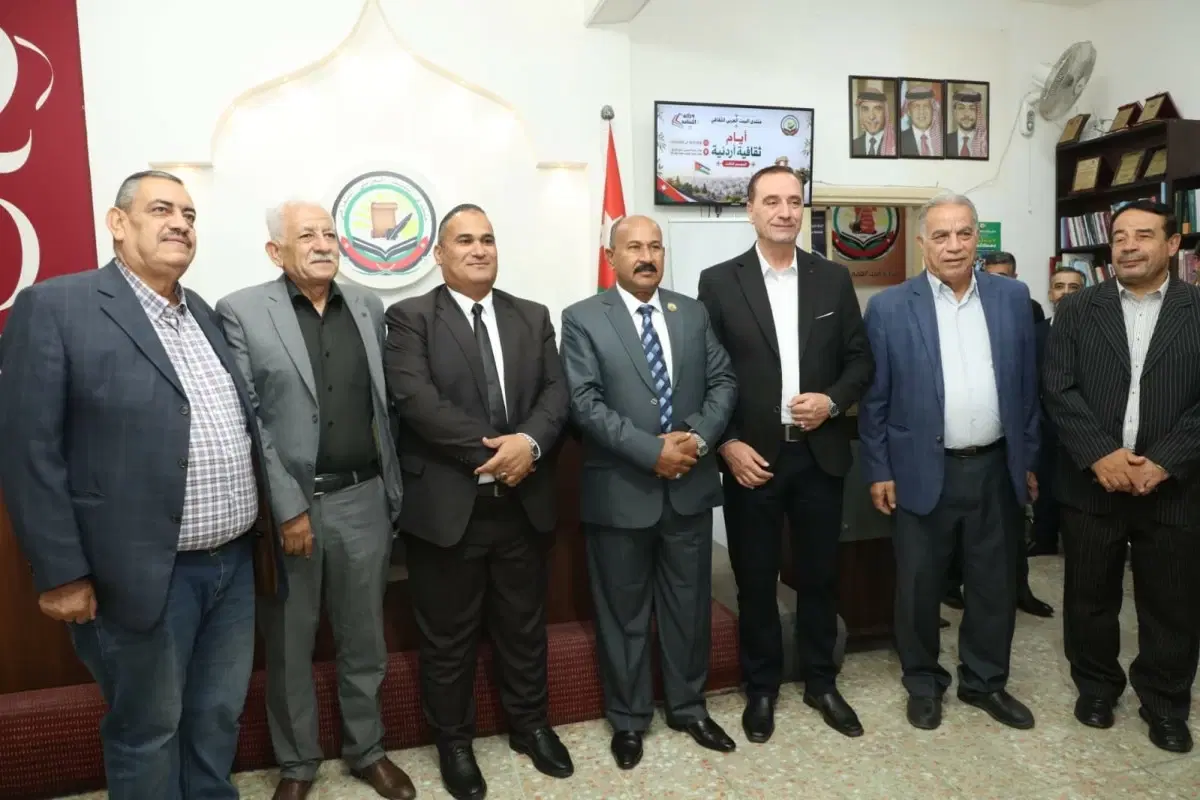
The Director of Culture for the Capital, Dr. Salem Al-Faqir, representing the Minister of Culture, inaugurated on Sunday evening the activities of the third season of the "Jordanian Cultural Days" program, organized by the Arab House Cultural Forum under the title "The Jordanian Narrative," with the participation of a selection of writers, intellectuals, and those interested in cultural affairs.
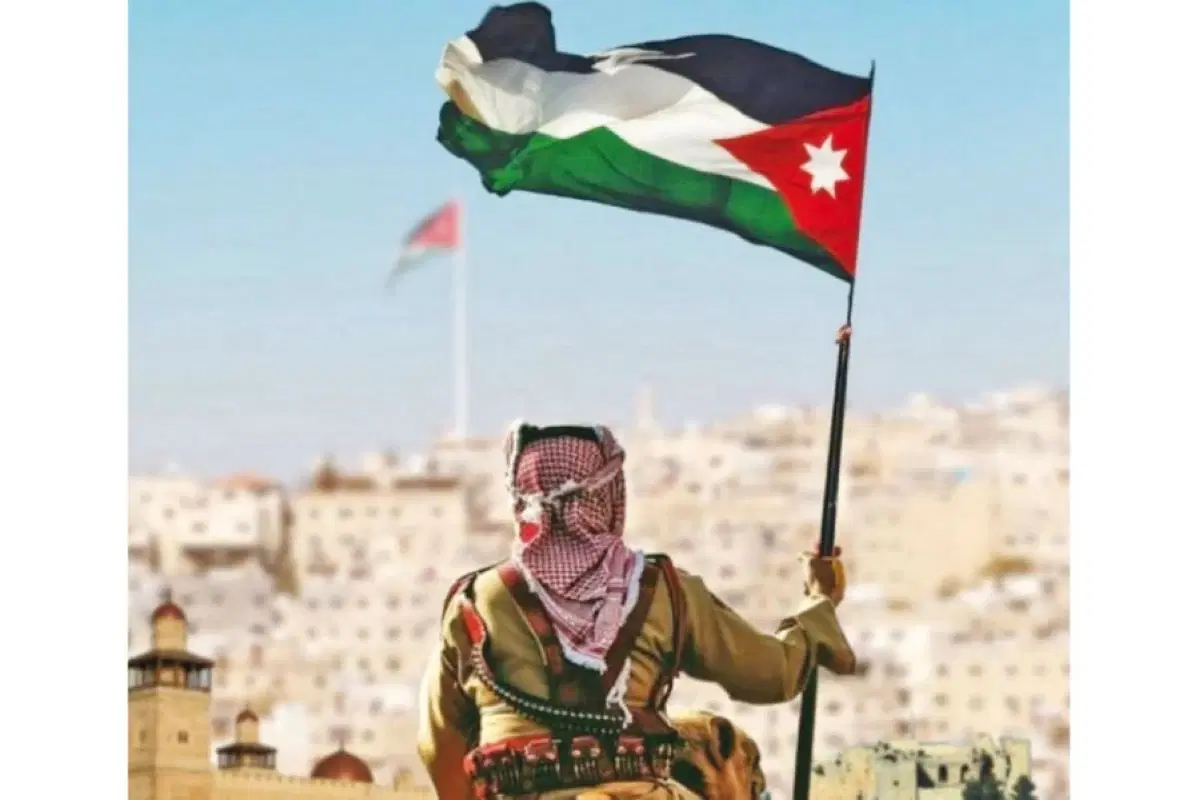
The activities of the new season come within the framework of efforts aimed at highlighting the Jordanian narrative, documenting national memory, introducing the Kingdom's historical and civilizational heritage, and strengthening the presence of the Jordanian identity in the cultural scene through programs that combine literature, thought, and the arts, providing creators with a space to express their visions and creativity.
The President of the Arab House Cultural Forum, Saleh Al-Jaafra, emphasized in a speech delivered during the opening ceremony that the "Jordanian Cultural Days" program constitutes a cultural platform that contributes to stimulating literary movement and enhancing communication and partnership between cultural institutions and creators in various governorates of the Kingdom, pointing to the importance of initiatives that celebrate national identity and shed light on its cultural and historical features.
Al-Jaafra valued the Ministry of Culture's support for the cultural and literary movement in Jordan and the efforts it exerts to enhance the presence of culture in society, stressing that advancing cultural work is a shared responsibility that requires the integration of roles between official institutions, cultural bodies, and intellectuals. He also expressed his pride in the security and stability that Jordan enjoys under the Hashemite leadership, led by His Majesty King Abdullah II ibn Al-Hussein.
For his part, Dr. Salem Al-Faqir reviewed in his speech the close relationship between man, homeland, time, and place, recalling the stories and experiences that Jordan carries, which have shaped the features of its national identity and consolidated the connection of its people to their land and history.
Al-Faqir pointed to the importance of cultural work in expressing national belonging and presenting initiatives that evoke Jordan's history and civilizational legacy, noting that the programs organized by cultural bodies constitute an opportunity to expand cultural participation and provide space for creators and intellectuals to contribute to enriching the national scene.
He emphasized the importance of the project to document the Jordanian narrative, which came as an initiative and vision of His Royal Highness Crown Prince Al-Hussein bin Abdullah II, due to what it represents as a national project concerned with documenting the Kingdom's history and civilizational legacy, and introducing successive generations to the milestones of its journey and what it has witnessed in terms of construction, achievement, and giving.
Al-Faqir praised the efforts of the Arab House Cultural Forum, represented by its president Saleh Al-Jaafra and its administrative board members, in organizing activities that celebrate national culture and provide spaces for dialogue and creativity, affirming the Ministry of Culture's keenness to support initiatives that contribute to expanding the base of cultural participation in the Kingdom.
In turn, the Director of Cultural Programs and Activities at the Arab House and Director of the "Jordanian Cultural Days" events, writer Mirna Hatqaweh, said that the program has established its presence as one of the cultural initiatives that bring together cultural institutions, bodies, and creators from various parts of the Kingdom, allowing them to present their experiences and creativity within a shared national space.
She added that the two previous seasons witnessed the participation of a number of Jordanian cultural bodies through activities that varied between poetry, prose, visual arts, music, and singing, which contributed to highlighting the richness and diversity of the Jordanian cultural experience and enhancing communication between its various components.
Hatqaweh explained that choosing "The Jordanian Narrative" as the title for the third season stems from the importance of documenting national memory and preserving the historical and civilizational legacy, and presenting it to new generations using contemporary methods that link the past to the present and look forward to the horizons of the future.
She indicated that the program of activities includes the poem "Narrative of Glory" by the Jordanian poet Ali Al-Faouri, a lecture by Dr. Bakr Khazer Al-Majali titled "The Narrative is a National and Historical Necessity," in addition to a lecture by Professor Dr. Ibrahim Al-Kurdi, President of Ammon Applied University College, titled "Tourism, Heritage, and Archaeological Narrative in Jordan."
The program also includes a national poetry evening in which poet Abdulrahman Al-Mubaideen from Darat Al-Mashreq for Thought and Culture, poet Khaled Al-Qaisi from Jerash Forum for Culture and Heritage, and writer Jarwan Al-Maani from the Mahmoud Abu Awad Cultural Foundation participate.
The opening ceremony witnessed the recitation of the poem "Narrative of Glory" by poet Ali Al-Faouri, in which he addressed milestones of Jordan's history and its national narrative, evoking features of glory and pride in the land and the people, in a poetic text that expressed the depth of national belonging and the importance of memory in shaping the Jordanian identity.
At the conclusion of the ceremony, the President of the Arab House Cultural Forum, Saleh Al-Jaafra, honored Dr. Salem Al-Faqir by presenting him with the Forum's shield in appreciation of the Ministry of Culture's support for the Jordanian cultural movement. He also honored poet Ali Al-Faouri in appreciation of his participation and contribution to enriching the national cultural scene.
Through these activities, the Arab House Cultural Forum continues its efforts to support the Jordanian cultural movement, provide platforms that bring together writers and creators, and contribute to consolidating awareness of national identity and preserving historical and civilizational heritage, affirming the role of culture in passing Jordan's story from one generation to another and enhancing its presence in the national conscience.