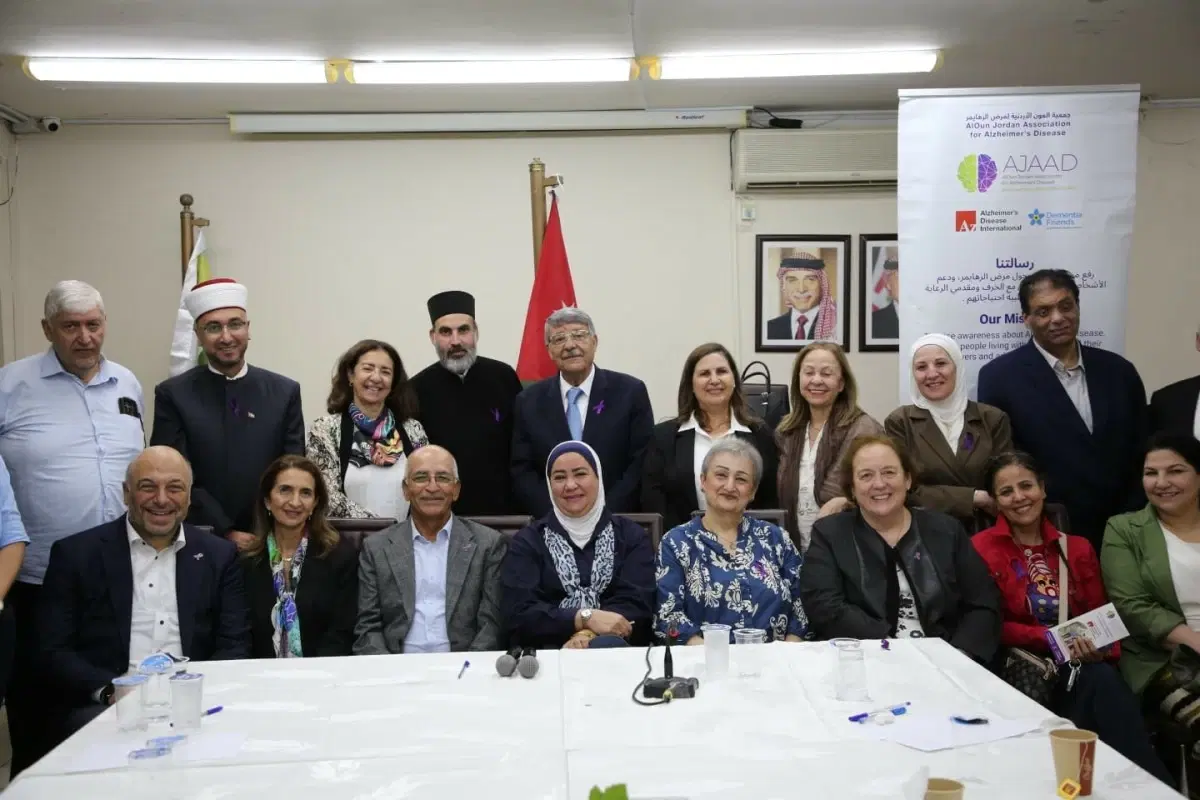
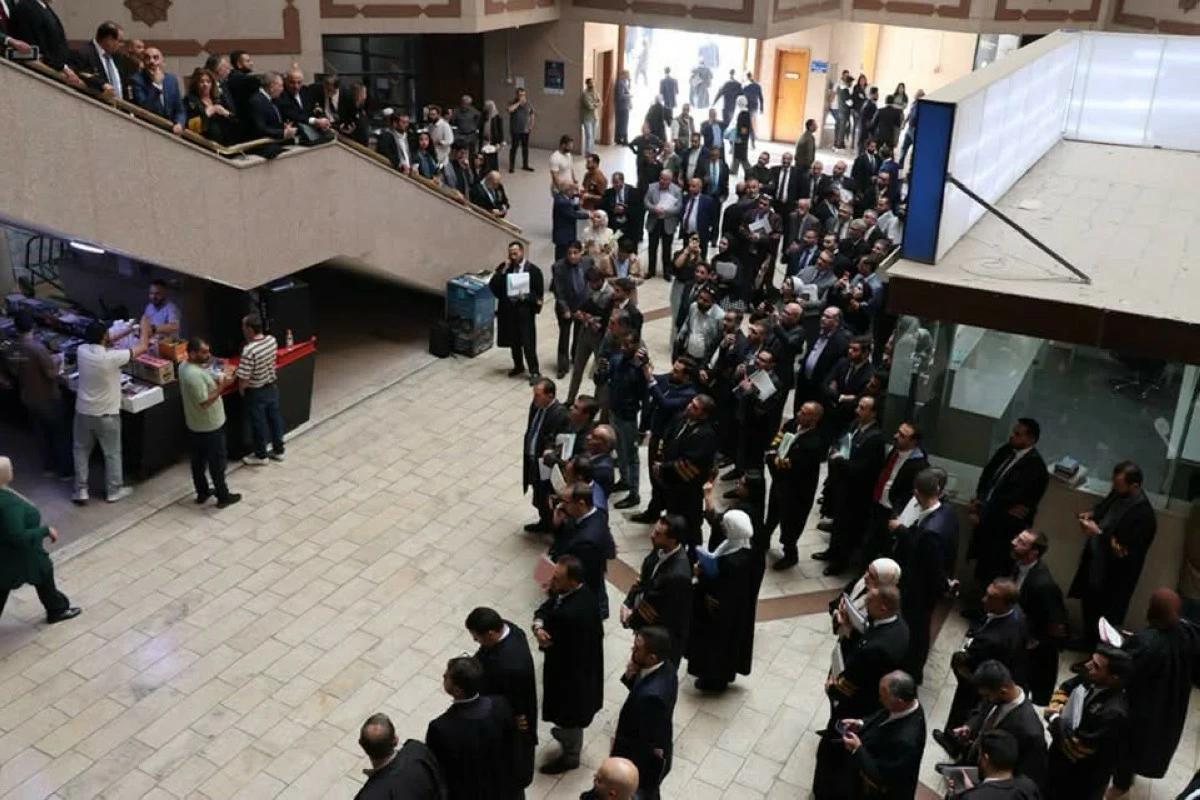
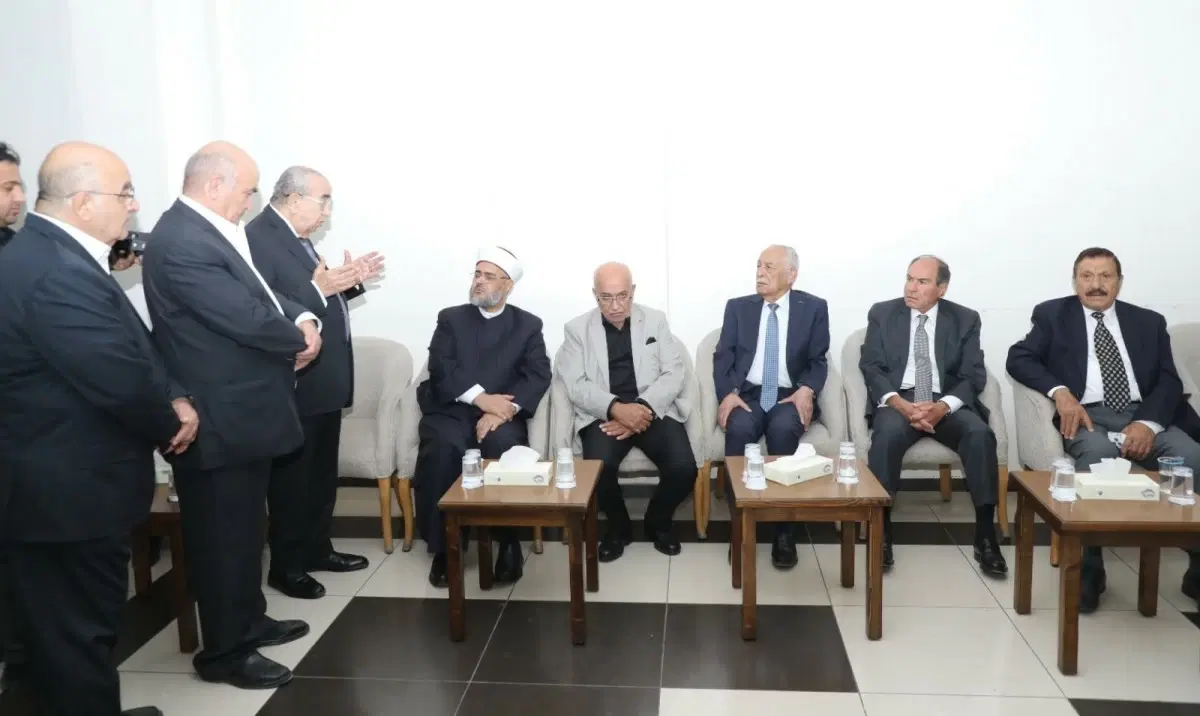
The session addressed the legal and Sharia framework for interdiction (legal guardianship), legal capacity, the right to defense and power of attorney, and the procedures and legal effects of interdiction, as well as the importance of monitoring the conditions of those under interdiction and the role of their caregivers.
His Eminence Dr. Mahmoud Abu Rumman emphasized the humanitarian message carried by Islamic Sharia in dealing with dementia patients, and the Sharia framework that defines the mechanisms for dealing with cases of those affected by it, and the extent of its alignment with applicable national legislation, stressing the importance of considering the humanitarian aspect when using terms that describe those affected by dementia.
For his part, the Judge of the Ecclesiastical Court of First Instance, Father Zakaria Rizk, reviewed the ecclesiastical law in dealing with dementia, as Article 4 of the Christian Family Law states that "capacity is subject to the provisions of the applicable civil laws." He warned against reducing filial piety to financial contribution alone. The patient may need familiar presence, someone to help them communicate, and follow-up that preserves their status in the home.
The session witnessed a serious scientific discussion, where lawyers, legal experts, and caregivers provided qualitative contributions with the aim of reaching a common understanding for dealing with dementia from a legal and humanitarian perspective.
The discussion session concluded with a set of recommendations presented by the President of the Association, Her Excellency Reem Abu Hassan, most notably:
- Investing in the similarity between Sharia and ecclesiastical courts and considering it a basis for claims in courts
- Amending and regulating terminology so that it aligns with human rights and ensures and preserves the dignity of those affected by dementia
- The importance of providing humanitarian and care protection, not just financial protection, for people affected by dementia.
- Not relying solely on medical reports as the only evidence in courts.
- Extrapolating the will of those affected by dementia and not making decisions on their behalf, and the necessity of considering the use of the chosen agent mechanism in cases of full capacity, and taking into account health and social decisions in addition to financial decisions.
- The court's supervisory role should not be limited to the financial aspect, and it is important that this include the humanitarian and social role
It is noteworthy that the Jordanian Alzheimer's Association continues to pursue national efforts and organize consultative meetings and interactive dialogue sessions, with the aim of raising awareness about Alzheimer's disease and providing support to them, their families, and caregivers.