Nursing Council: Early Alzheimer's Diagnosis Allows More Effective Intervention and Care
Amman3 min read
Share
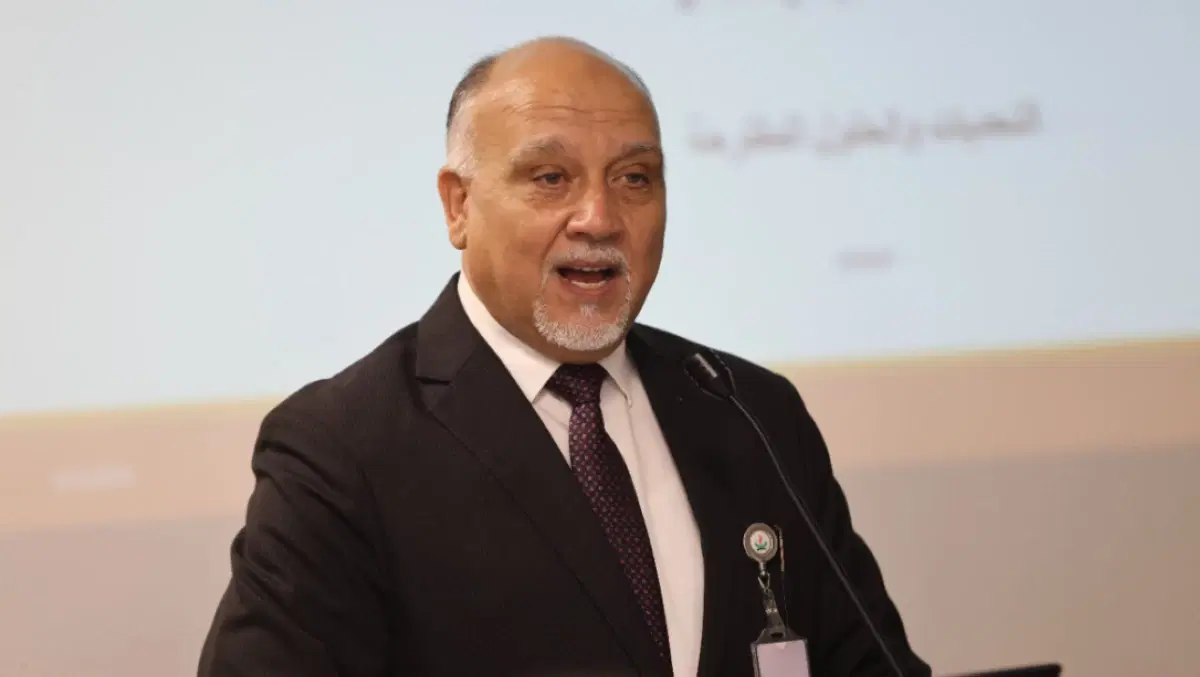
The Secretary-General of the Nursing Council, Dr. Hani Al-Nawfala, emphasized the importance of enhancing early detection and diagnosis of Alzheimer's disease and dementia, and transforming awareness into practical pathways in education, specialization, and care, to support those living with the disease, their families, and caregivers.
Al-Nawfala told the Jordanian News Agency (Petra) on Monday, on the occasion of World Alzheimer's Day, which this year falls under the theme "The earlier you know, the more you can do – Early diagnosis makes a difference", that early diagnosis allows for more effective intervention, care, and planning.
He explained that this approach aligns with the vision supported by Her Royal Highness Princess Muna Al-Hussein, the Nursing and Midwifery Patron in the Eastern Mediterranean Region, President of the Jordanian Nursing Council, and Global Ambassador for the Alzheimer's Association, to continuously focus on Alzheimer's and elderly care to confront stigma and support patients and their families.
He pointed out that the Council, under her highness's directives, has moved from awareness to building an advanced professional pathway, culminating in the launch of the "Elderly Care Nursing" specialization, to create qualified cadres with clinical skills, decision-making ability, and evidence-based care, to address complex health needs, cognitive changes, and chronic diseases, thereby improving care quality and preserving patient dignity and independence.
He stressed the importance of integrating the needs of the elderly and Alzheimer's into nursing program curricula and clinical training, to include risk factors, early signs, cognitive assessment, referral mechanisms, communication skills, and family support, to build a professional base capable of early detection and handling more complex cases.
Al-Nawfala explained that the Council previously organized the first National Dialogue Forum on Alzheimer's Disease under the patronage of Her Royal Highness Princess Muna Al-Hussein, which resulted in recommendations including the development of a national care strategy, the establishment of a national Alzheimer's registry, the promotion of early detection, the enhancement of healthcare professionals' capabilities, the support of scientific research, and the improvement of healthcare environments for the elderly.
He noted that nursing is one of the most important lines of early detection due to its proximity to patients and families, its observation of behavioral and physiological changes, and its role in health education and safety promotion.
He pointed out that the occasion coincides with the release of the 2026 World Alzheimer's Report titled "A New Era in Dementia Clinical Trials", which highlights the transformations in dementia research and clinical trials and the importance of their inclusivity, affirming that confronting the disease is a national responsibility that requires the integration of health, academic, and social institutions.
He emphasized that early diagnosis is not the end of the road, but the beginning of a pathway for care, support, and the preservation of dignity and quality of life.