The Federal Reserve raises interest rates... and Trump calls for lowering them to 1%
Amman4 min read
Share
The US Federal Reserve raised interest rates by a quarter percentage point on Wednesday to a range of 3.75%-4%, in the first increase since 2023, amid inflation remaining above its target of 2%, while expectations of monetary policy officials showed that most of them needed another increase before the end of the year.
The decision was unanimous, as 16 out of 18 officials expected the interest rate to be raised again by at least a quarter percentage point before the end of the year, while their expectations indicate that it will reach a range of 4%-4.25% by the end of 2026.
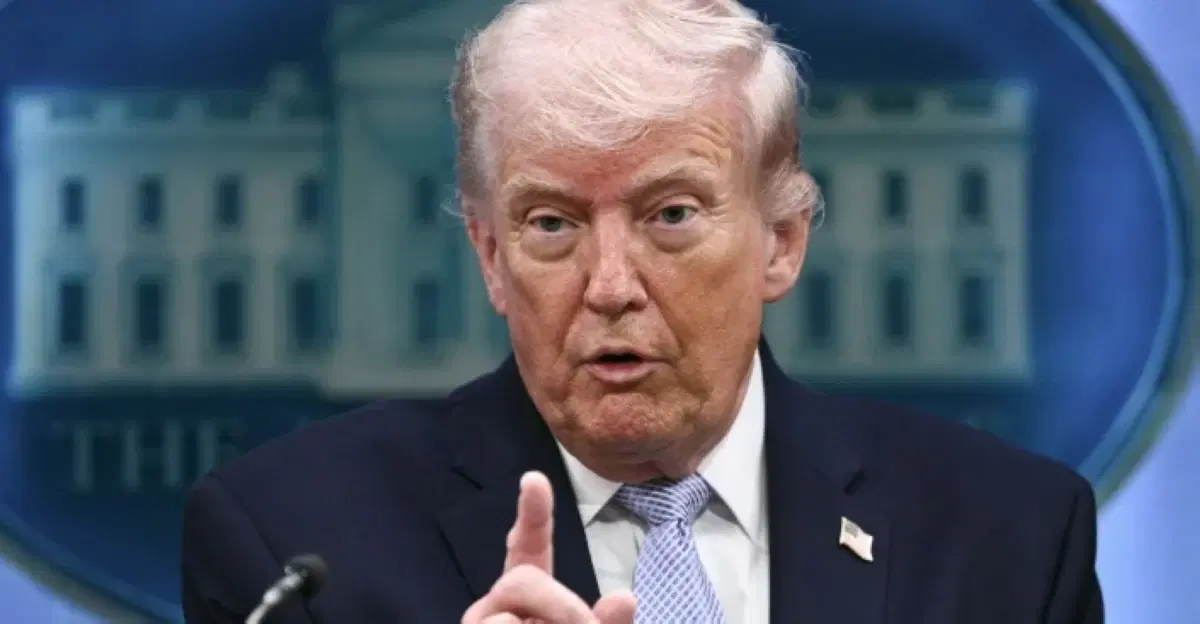
In contrast, US President Donald Trump called for interest rates to be lowered quickly to 1% or less, criticizing the Fed's decision to raise them.
Trump wrote on his platform 'Truth Social': 'We are carrying almost all the countries of the world on our shoulders, and this cannot continue. Lower the interest rates in the United States, and do it quickly!'.
This was preceded by the White House criticizing the decision, with US Presidential Spokesman Kouch Desai describing the interest rate hike as 'regrettable', considering that the administration does not see the step as based on convincing economic justifications.
Inflation determines the path
Federal Reserve Chairman Kevin Warsh said that the main focus of the Council is on price stability, noting that inflation remains high and that summer data did not show a significant improvement in its basic trends.
Warsh explained that the Open Market Committee has not yet reached the required degree of confidence that core inflation is heading towards a level of 2% in a timely manner, considering that the decision to raise interest rates was well thought out.
In contrast, he pointed to the improvement in the US economy since the Council's meeting in June, with continued strength in activity, spending, and investment, and the labor market remaining close to full employment.
He pointed to the difficulty of describing the financial situation as constrained, explaining that the Fed has removed some monetary easing to make financial and credit conditions more consistent with its goals.
He also denied that the rise in US Treasury bond yields was due to a loss of confidence in the Fed, attributing the rise in borrowing costs to the strength of the economy, increased capital spending, and competition for capital, along with geopolitical factors.
Inflation and energy
The interest rate hike comes amid additional pressure on prices, including rising energy costs and the continued impact of US tariffs, along with strong capital spending linked to the artificial intelligence boom.
Fed officials raised their expectations for inflation measured by the Personal Consumption Expenditures Price Index to 3.7% in 2026, compared to 3.6% in June forecasts, while expecting it to return to the 2% target in 2029.
The Council also raised its forecast for economic growth in 2026 to 2.3%, while expecting unemployment to reach 4.1% by the end of the year, compared to 4.3% in June forecasts.
According to the average expectations of monetary policy officials, the interest rate is expected to reach 4.1% by the end of 2026, while expectations indicate that interest rates will remain high during the next year.
Warsh did not provide prior guidance on future decisions, as the Fed has two more meetings this year, in late October and early December.
Markets
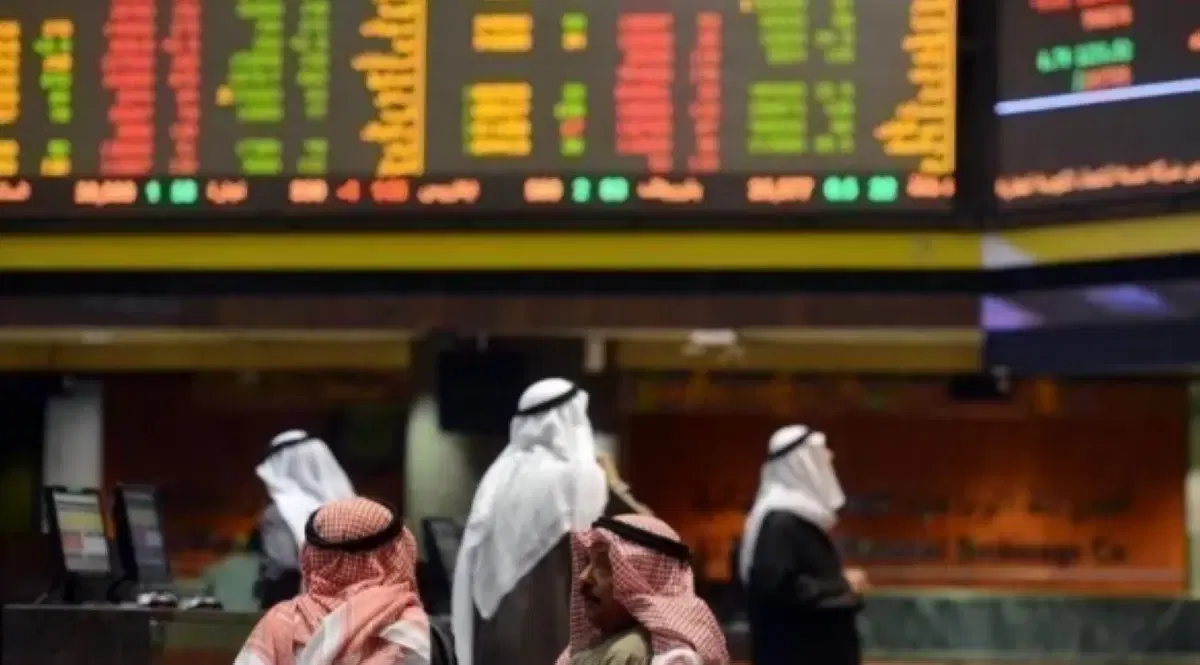
Following the decision, the dollar rose, while US stocks fell and Treasury bond yields rose, as investors reassessed the path of interest rates.
The S&P 500 index fell 0.5% at the close, while the yield on 10-year US Treasury bonds exceeded 5%, while gold fell more than 1% as the dollar rose and expectations of continued high interest rates.
The interest rate hike aims to calm demand by increasing the cost of borrowing and investing, which helps limit the transmission of energy and other inflationary pressures to broader sectors of the economy.
Political pressure
The decision comes amid ongoing pressure from the Trump administration to lower borrowing costs, as the US President has previously criticized the Fed's policy and called for lower interest rates.
US President's Economic Adviser Kevin Hasset called on the Fed not to take any action before the midterm elections in November, emphasizing the importance of maintaining the central bank's independence.
Trump also threatened in early September to take trade action against some countries if the Fed raised interest rates, while statements from the White House about the presence of 'unpatriotic' elements within the monetary policy committee sparked controversy over the institution's independence.
In response, Warsh stressed the need for the Federal Reserve to 'stay the course' regarding monetary policy, confirming that its decisions are based on inflation and economic developments.