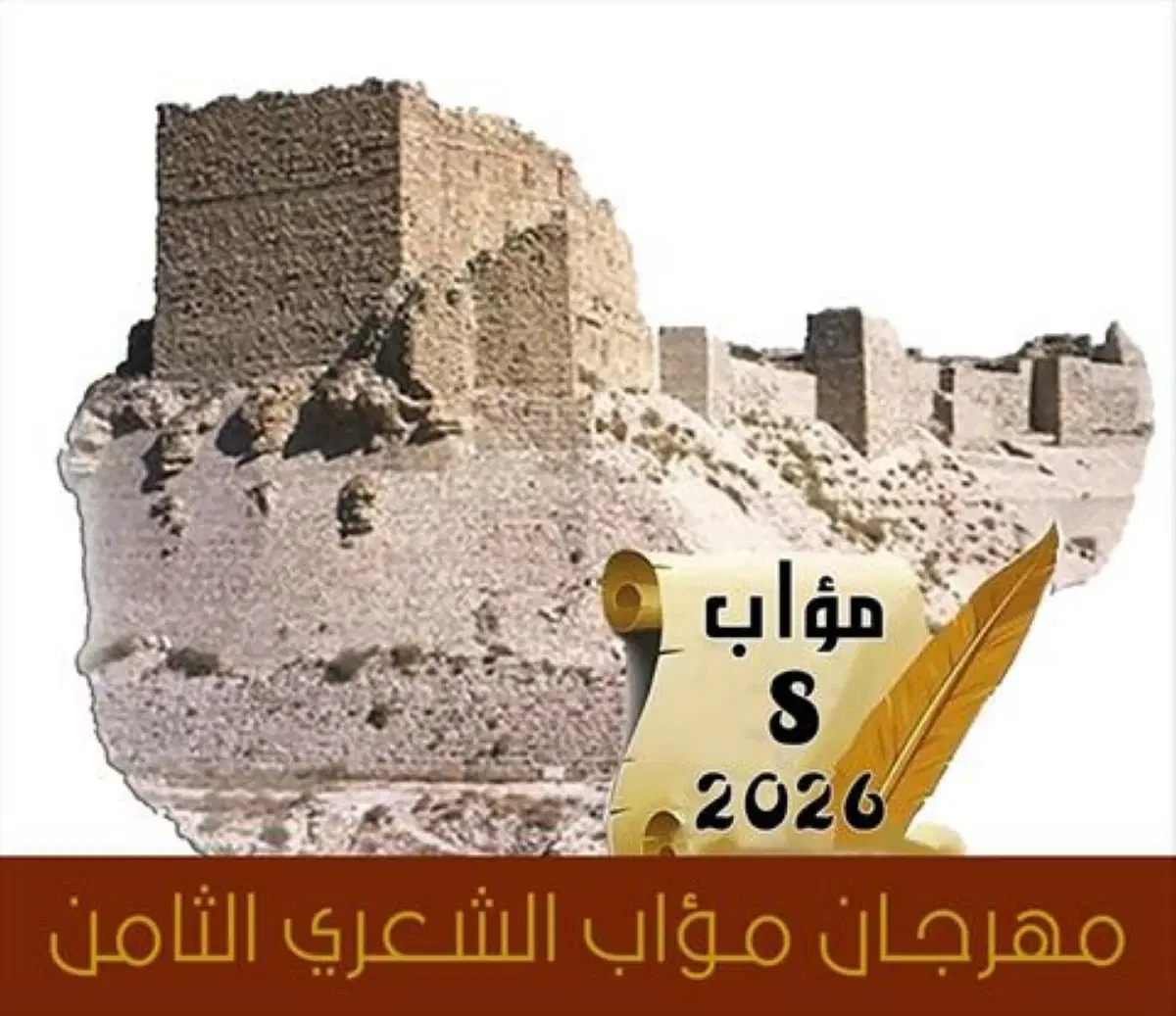
The first poetry evening on Tuesday includes Syrian poet Anas Al-Daghm, poets Rashid Issa, Muhammad Muqaddam, Muhammad Al-Sharosh, Musa Al-Hawamdeh, Aaref Mahmoud, Sulaiman Al-Asifi, Falaih Al-Jbour, directed by poet Sayam Al-Mawajdeh, while the second evening includes poets Omar Abu Al-Hija, Safi Al-Muzaydah, Muhammad Al-Furaih, Muhammad Khaleefah Al-Anzi, Muhammad Al-Majali, Hakimat Al-Azza, Thabet Al-Dham, Zakariya Al-Zaghamim, directed by Rahma Abu Ghura.
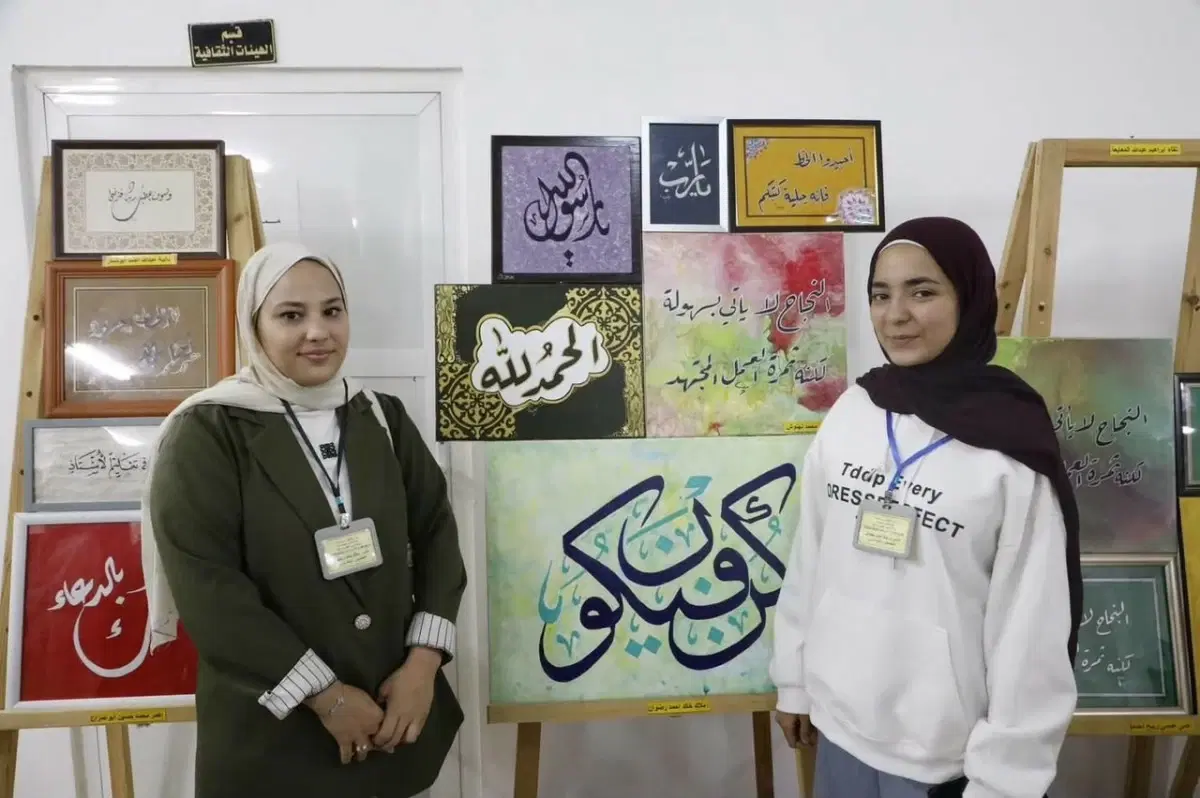
The events, which start at seven in the evening, will be accompanied by an exhibition of cultural and creative industries, in which artisans, projects, and creative products participate, to provide a space to display their works and introduce them, and to highlight the role of cultural industries in preserving and developing crafts and heritage, in addition to their connection to the concept of the creative economy and supporting project owners and productive energies.
Visual arts will also be present in the festival program through an artistic symposium in which a number of artists participate, juxtaposing the painting with the poem, and turning the festival space into a living scene where the arts intersect with the place and memory, enhancing the diversity of the activities of the Jordanian City of Culture and giving the audience an opportunity to watch the artistic experience as it is formed.
Assistant Secretary-General of the Ministry of Culture, Director of Culture in Karak, and Head of the Supreme Committee of the Festival, Orobah Al-Shamayle, told 'Al-Rai' that the continuation of the Ma'an Poetry Festival and its reaching the eighth session comes within the framework of interest in the poetic movement and supporting creators, providing real spaces for poets and the public to meet, and enhancing the presence of cultural action in the governorate.
She pointed out that the festival gains its distinctiveness from its connection to a place that carries a deep historical and civilizational heritage, which gives the poem an additional space for dialogue with the place and recalling memory, and makes poetry a means of linking the heritage with the present, and between the national story and the human experience.
She confirmed the keenness of the festival administration to provide a cultural experience that goes beyond the presence of the poem, with a rich program that includes various artistic and heritage segments, including participation of the Al-Musaqaat band and the Al-Mahabish band, alongside the playing of the Rababah, adding to the evenings atmospheres derived from the Jordanian heritage, combining the musical rhythm, the poetic word, and the traditional performance.
She concluded by saying that through the diversity of participation and activities, the eighth Ma'an Festival presents an integrated cultural program where poetry meets music, visual arts, creative industries, and folk heritage, enhancing interaction between creators and the public, while continuing the path of the activities of Al-Qasr District, the Jordanian City of Culture 2026, in highlighting the cultural, heritage, and artistic scene of Karak Governorate.
It is noteworthy that the Supreme Committee of the Festival, in addition to its President Al-Shamayle, includes a group of intellectuals and poets in the governorate: Researcher Hamed Al-Nawaisah, Dr. Hussein Mahadeen, Dr. Jizaa Al-Masarewa, Dr. Montaha Al-Trawneh, Poet Sayam Al-Mawajdeh, Writer Huda Al-Rawashdeh, Akram Al-Majali, Khaled Al-Barqan, Nadia Al-Dalla'in, and Mahmoud Al-Trawneh, the Festival's Technical Coordinator.